LDP — Lighting Design Partnership

Federation Square

LAB Architecture Studio · ArchitectBates Smart · Architect
Melbourne, Australia · 1996–2002
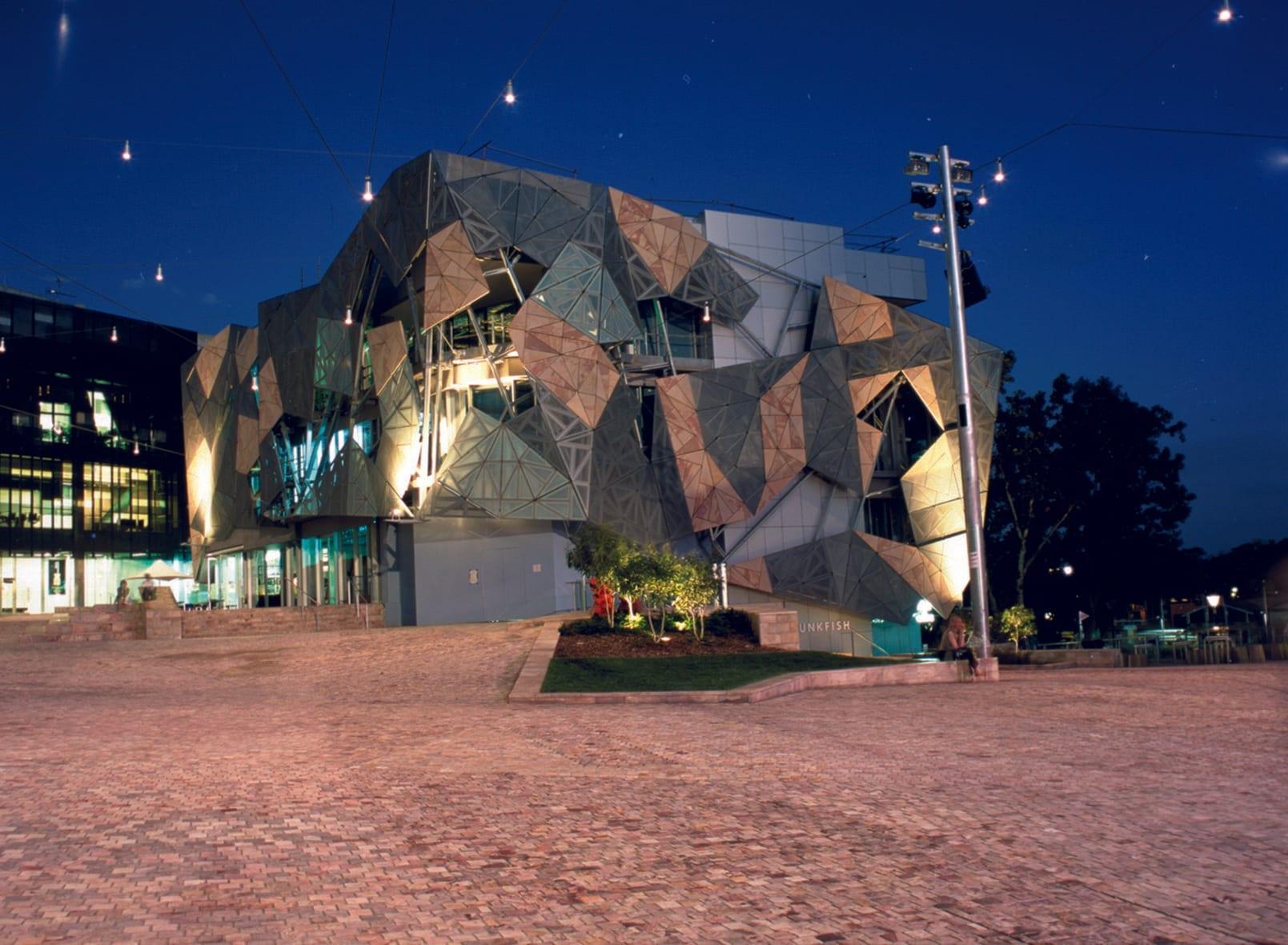
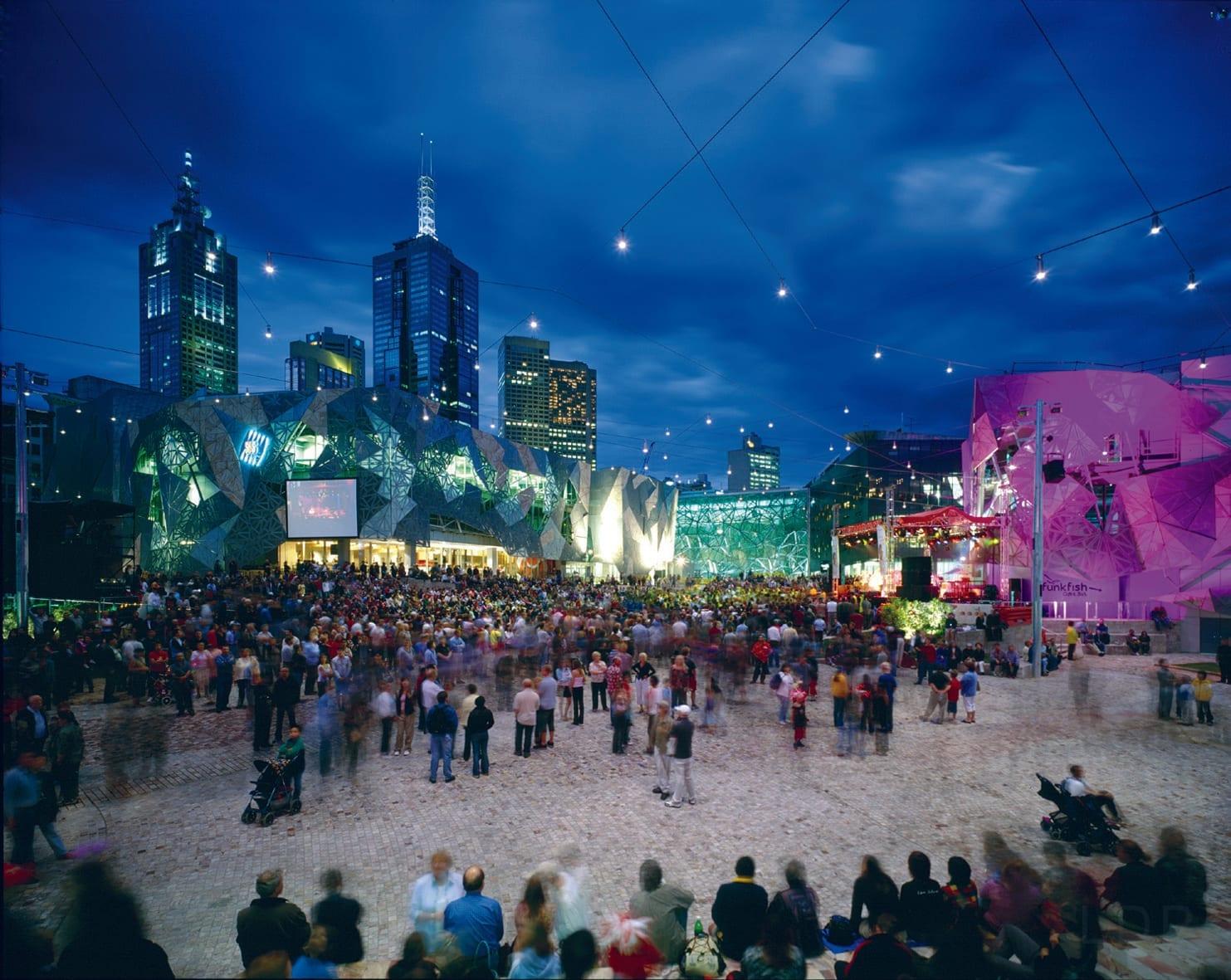
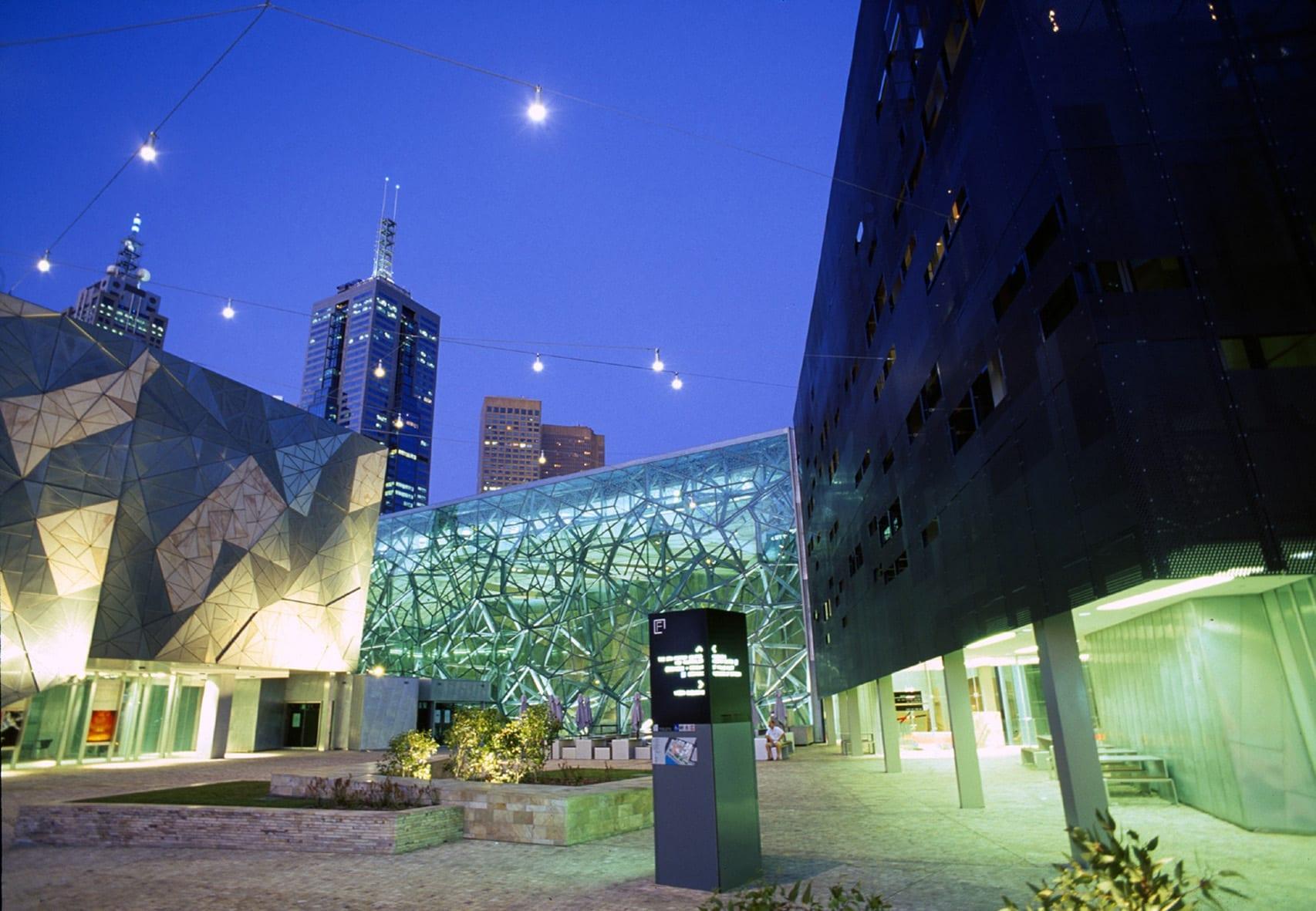
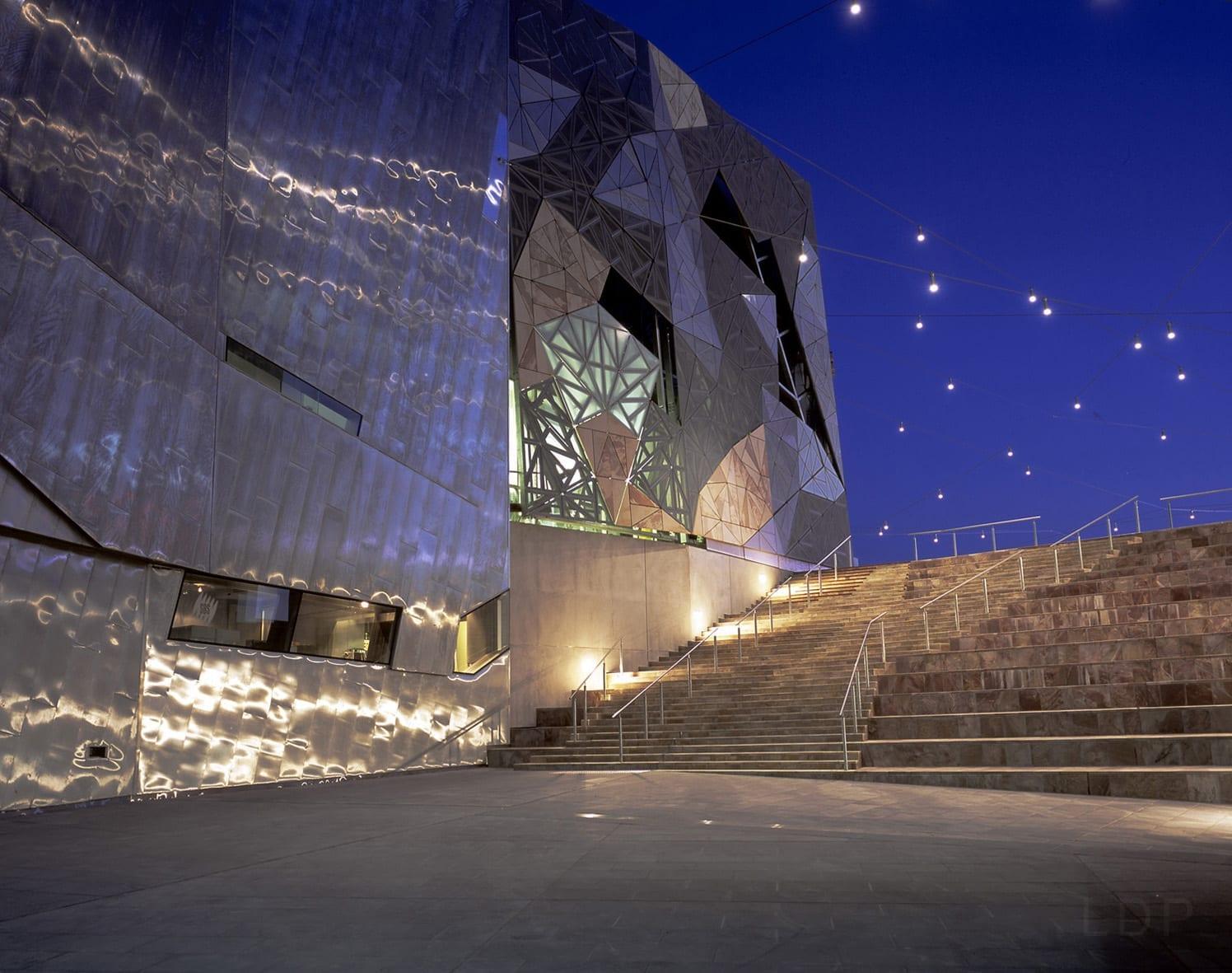
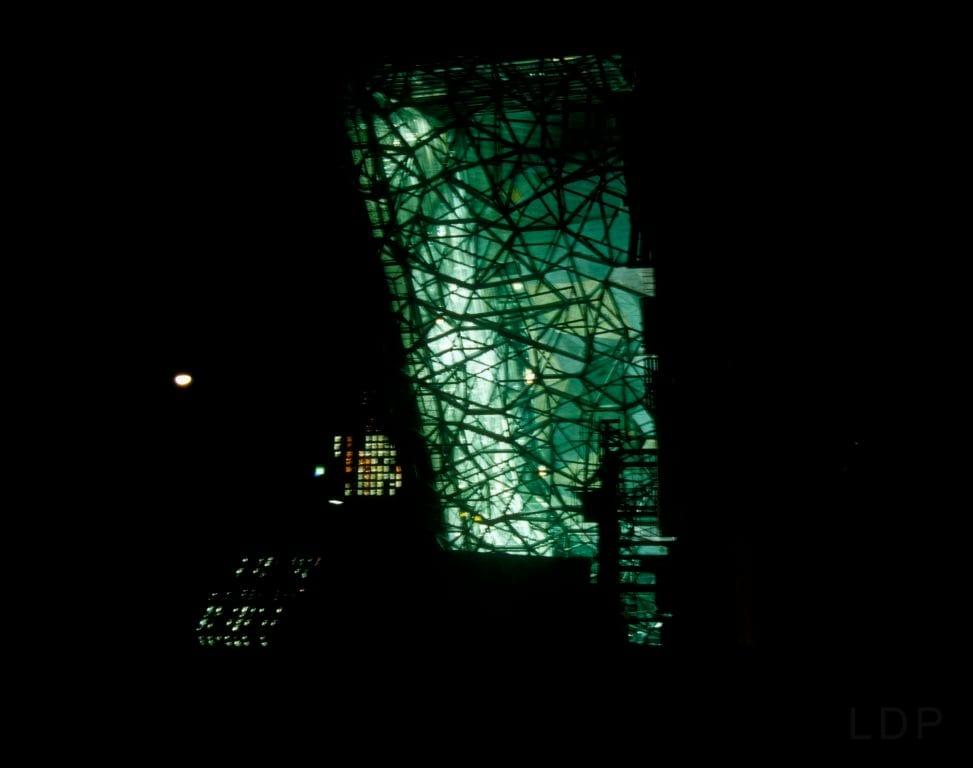
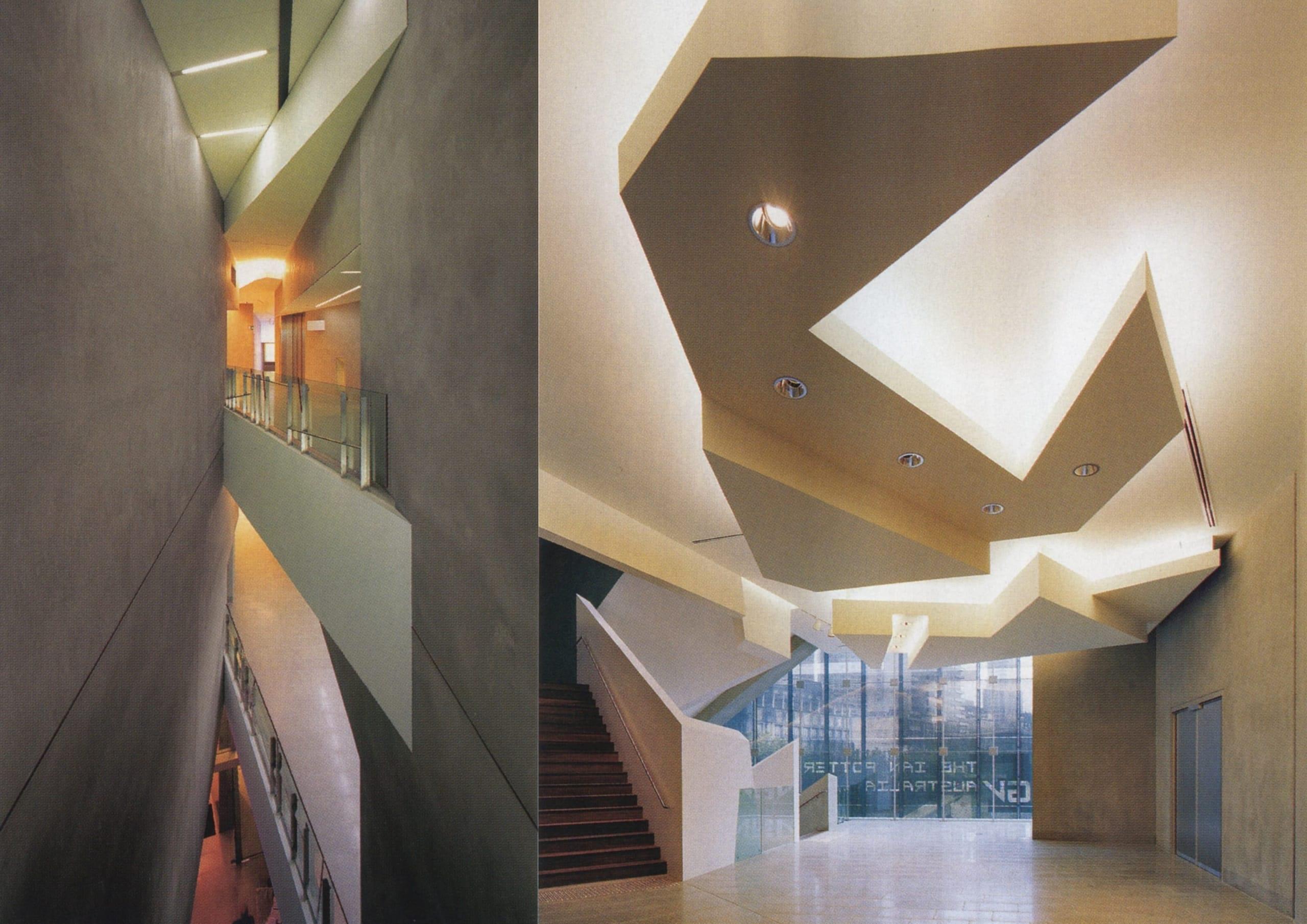
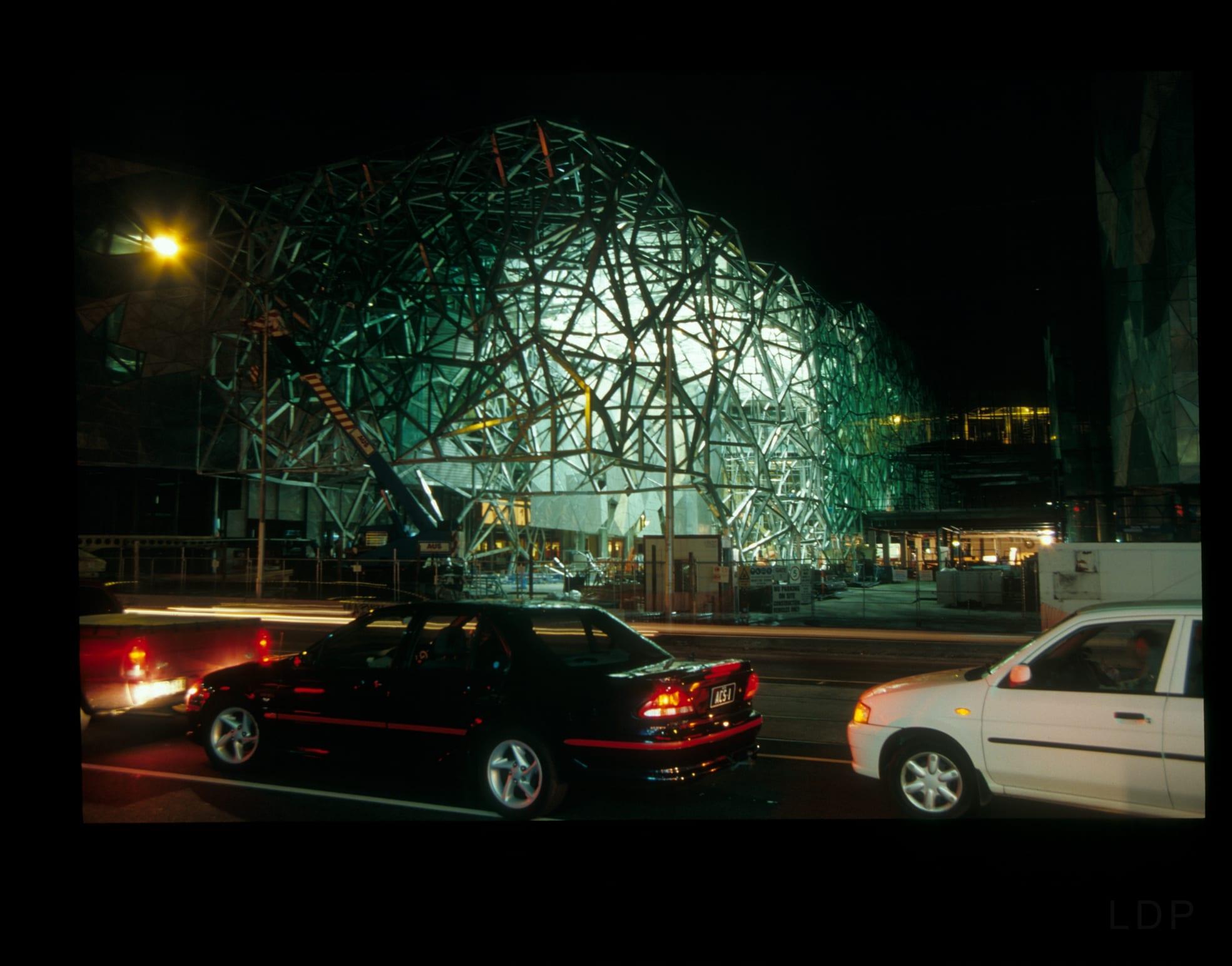
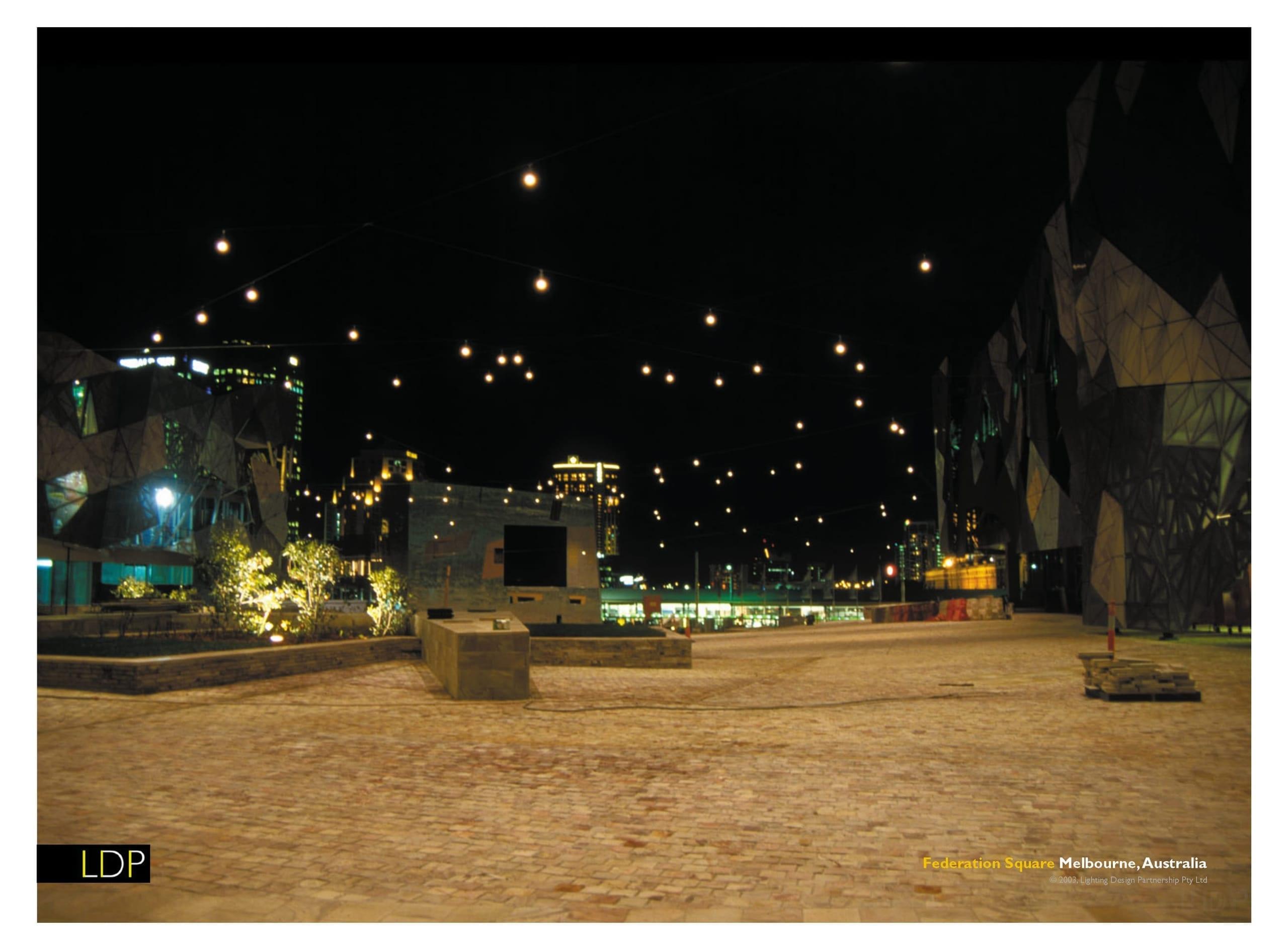
A suspended catenary net carries light across the plaza without a single pole, focusing the glow onto the square's complex levels and the faceted facades that frame it.
Federation Square

Melbourne, Australia
1996–2002

A suspended catenary net carries light across the plaza without a single pole, focusing the glow onto the square's complex levels and the faceted facades that frame it.
WithLAB Architecture Studio · ArchitectBates Smart · ArchitectMultiplex · Contractor
Federation Square, image 1
© LDP 2026
Connect

Gaoyang International Cruise Terminal

Frank Repas · ArchitectWill Alsop · Architect
Shanghai, China · -
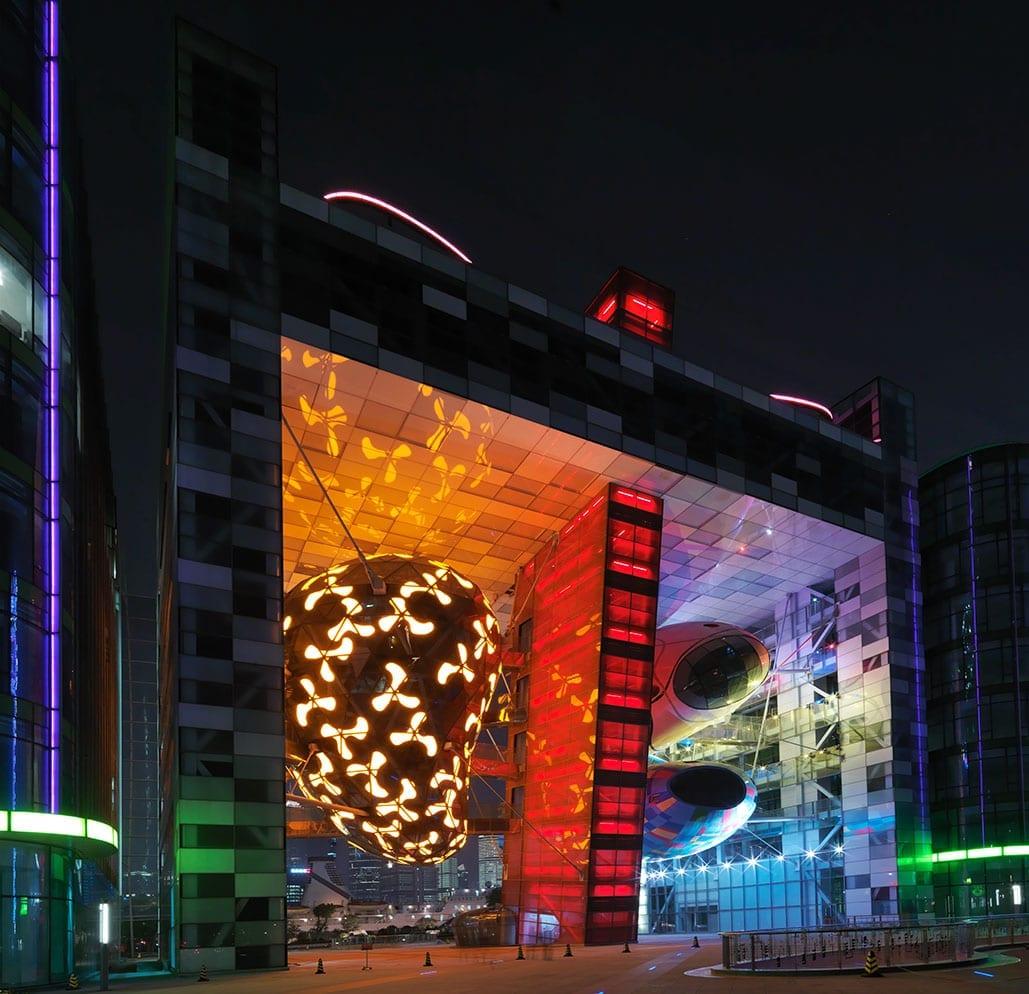
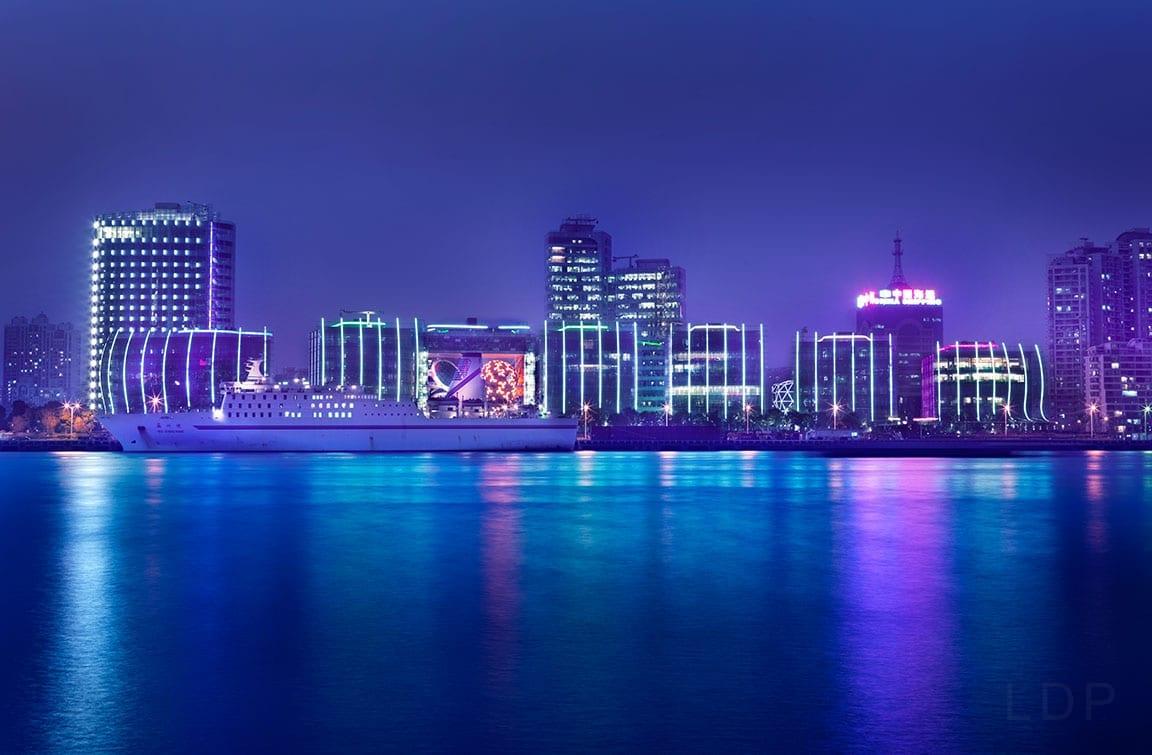
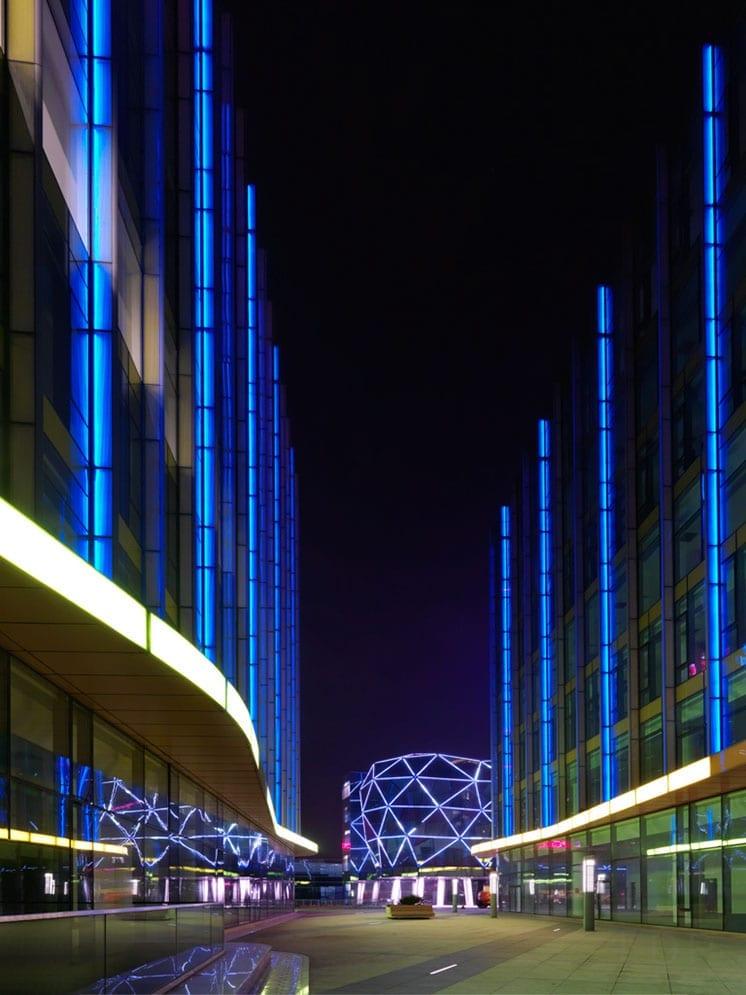
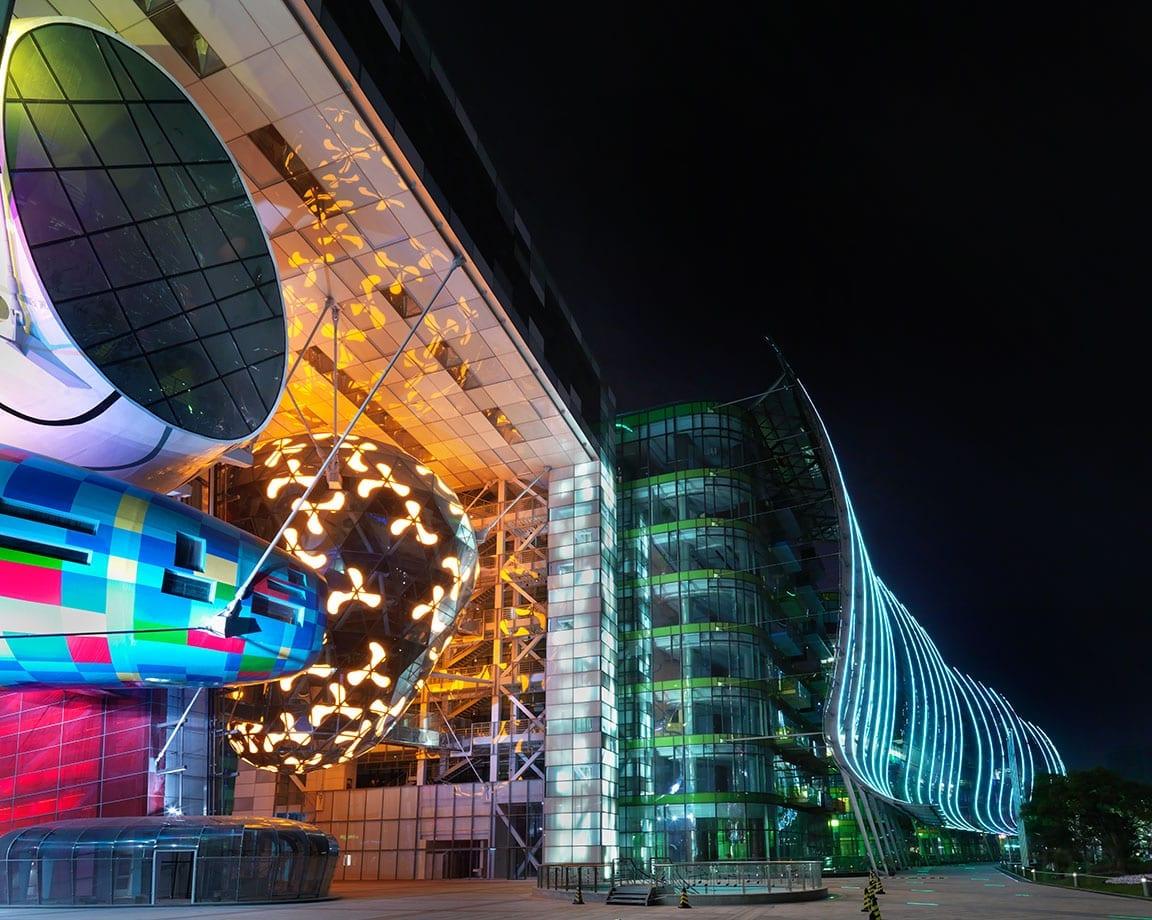
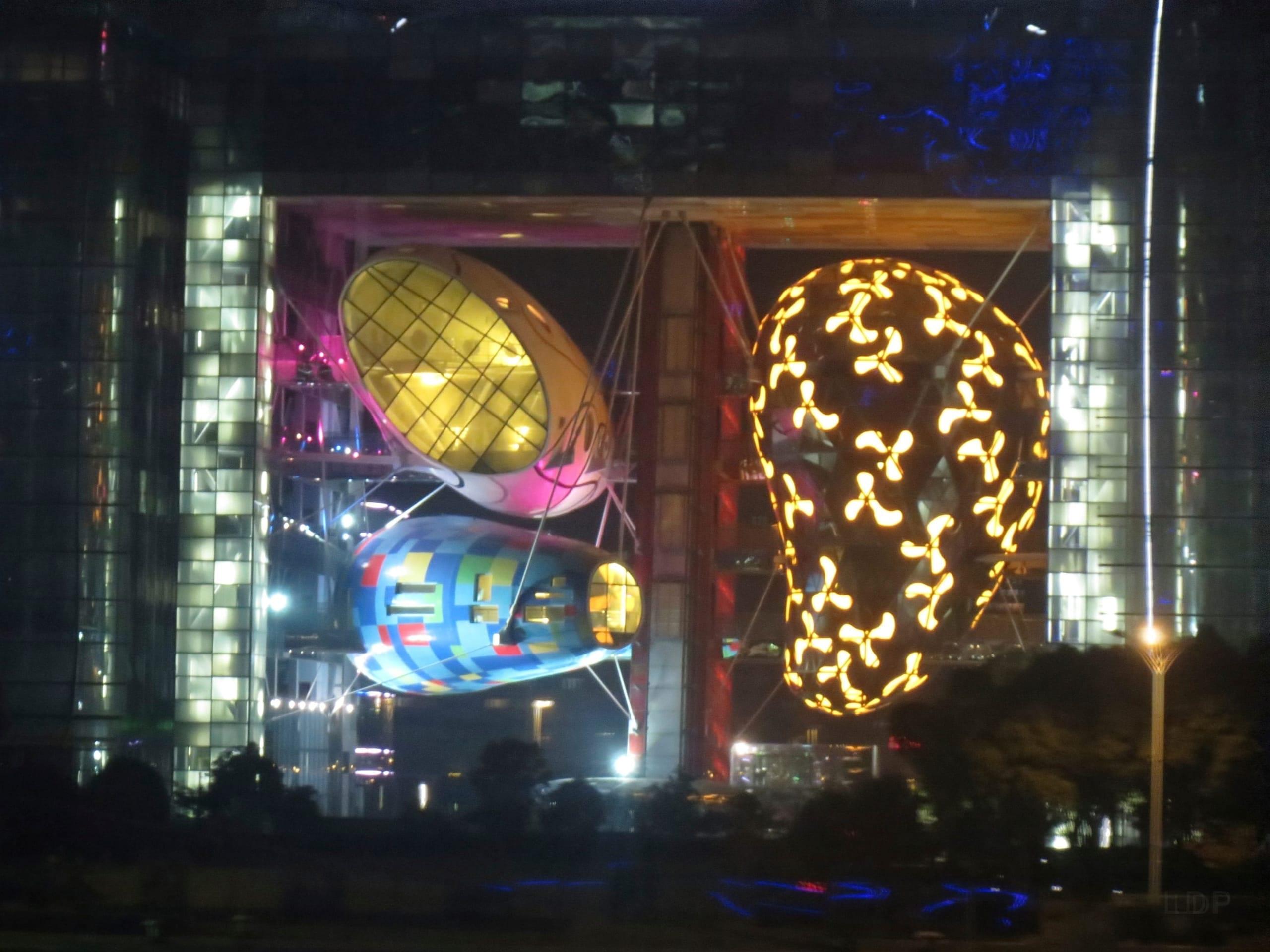
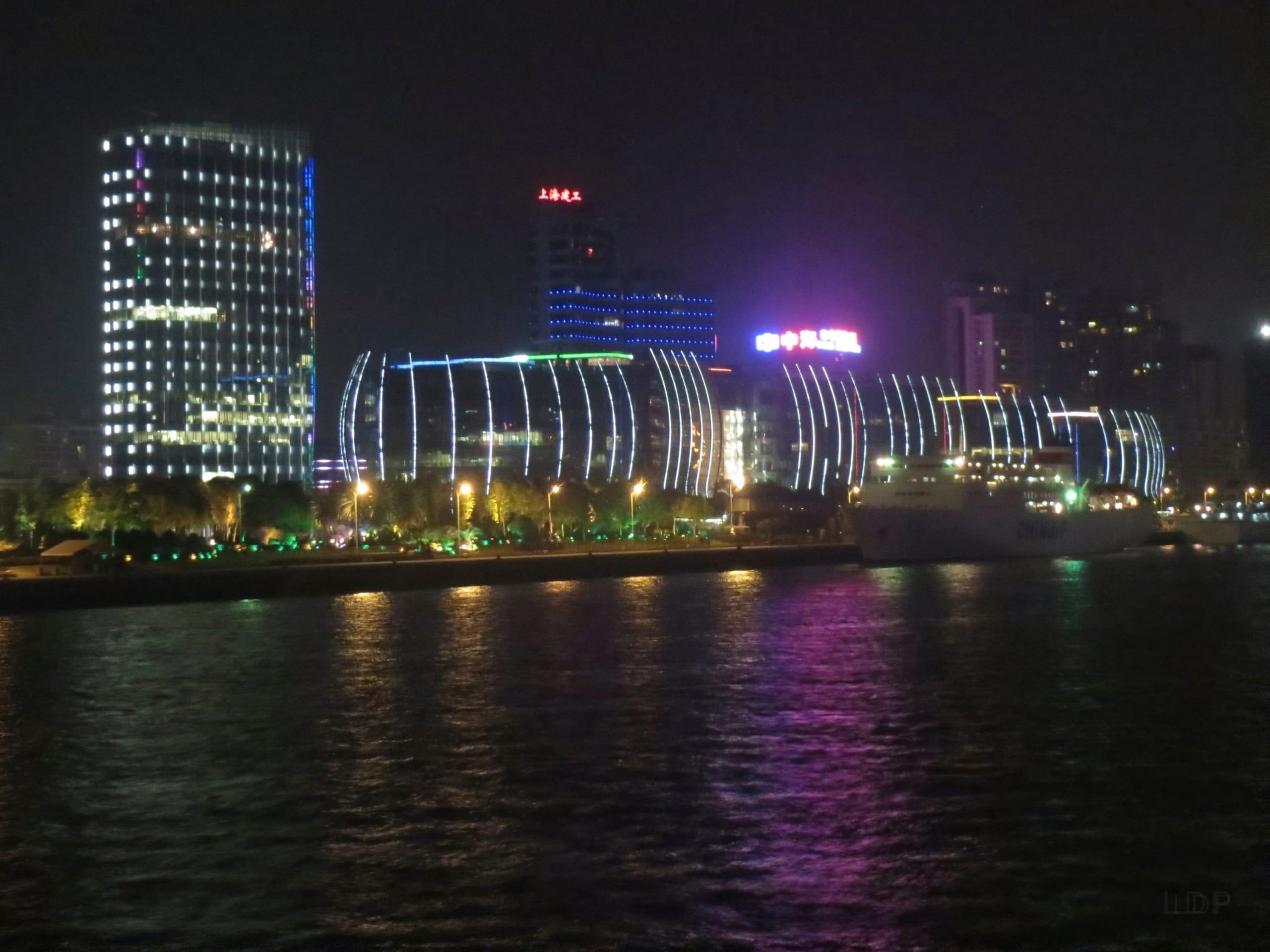
Vertical accents and dynamic colour give a waterfront precinct a night identity — light becomes the facade after dark, read clean from across the water.
Gaoyang International Cruise Terminal

Shanghai, China
-

Vertical accents and dynamic colour give a waterfront precinct a night identity — light becomes the facade after dark, read clean from across the water.
WithFrank Repas · ArchitectWill Alsop · ArchitectSpark Architect · Architect
Gaoyang International Cruise Terminal, image 1
© LDP 2026
Connect

Jal Mahal

Rajeev LunkadJaipur Craftsmen
Jaipur, India · 2005-2011
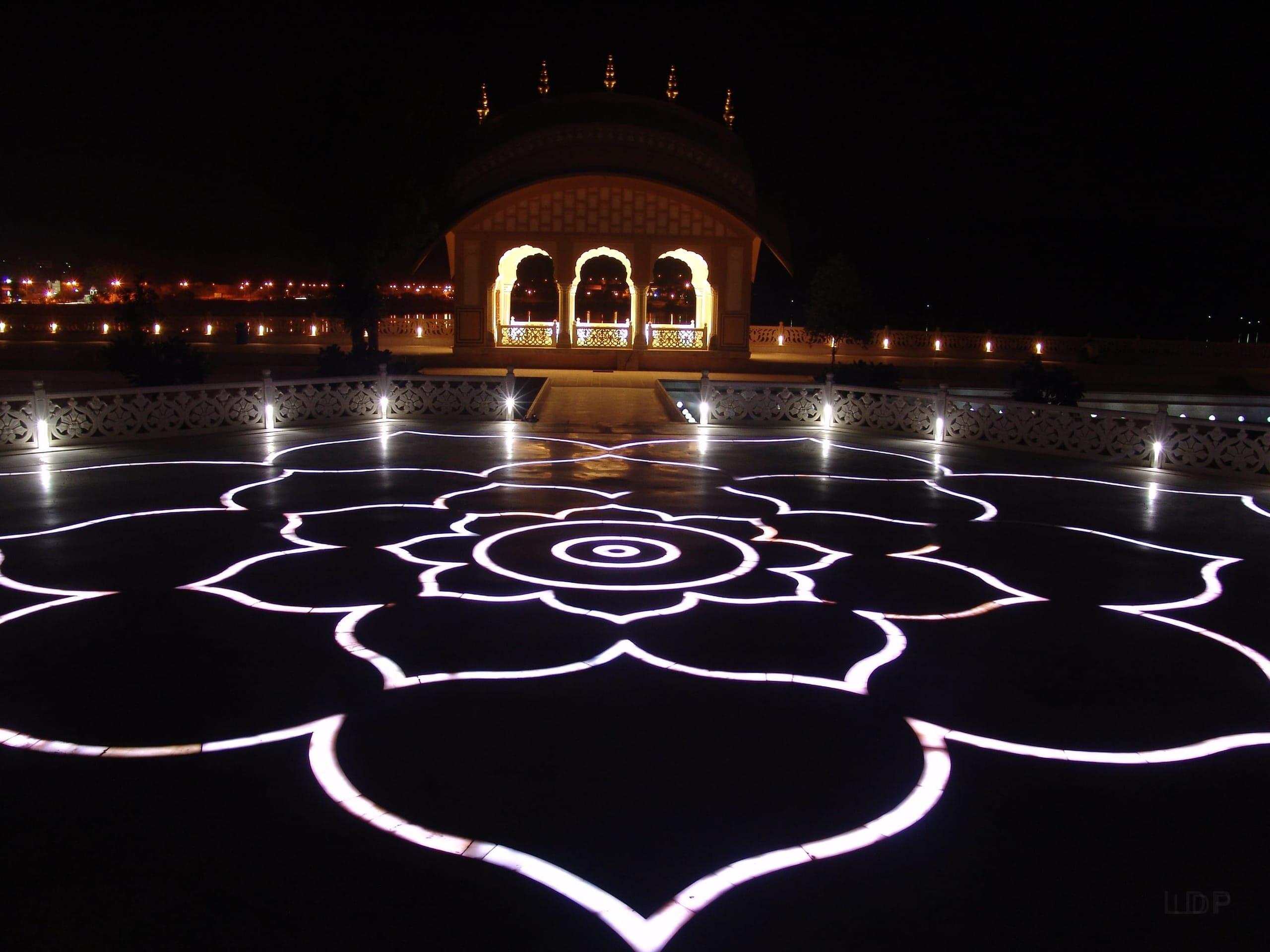
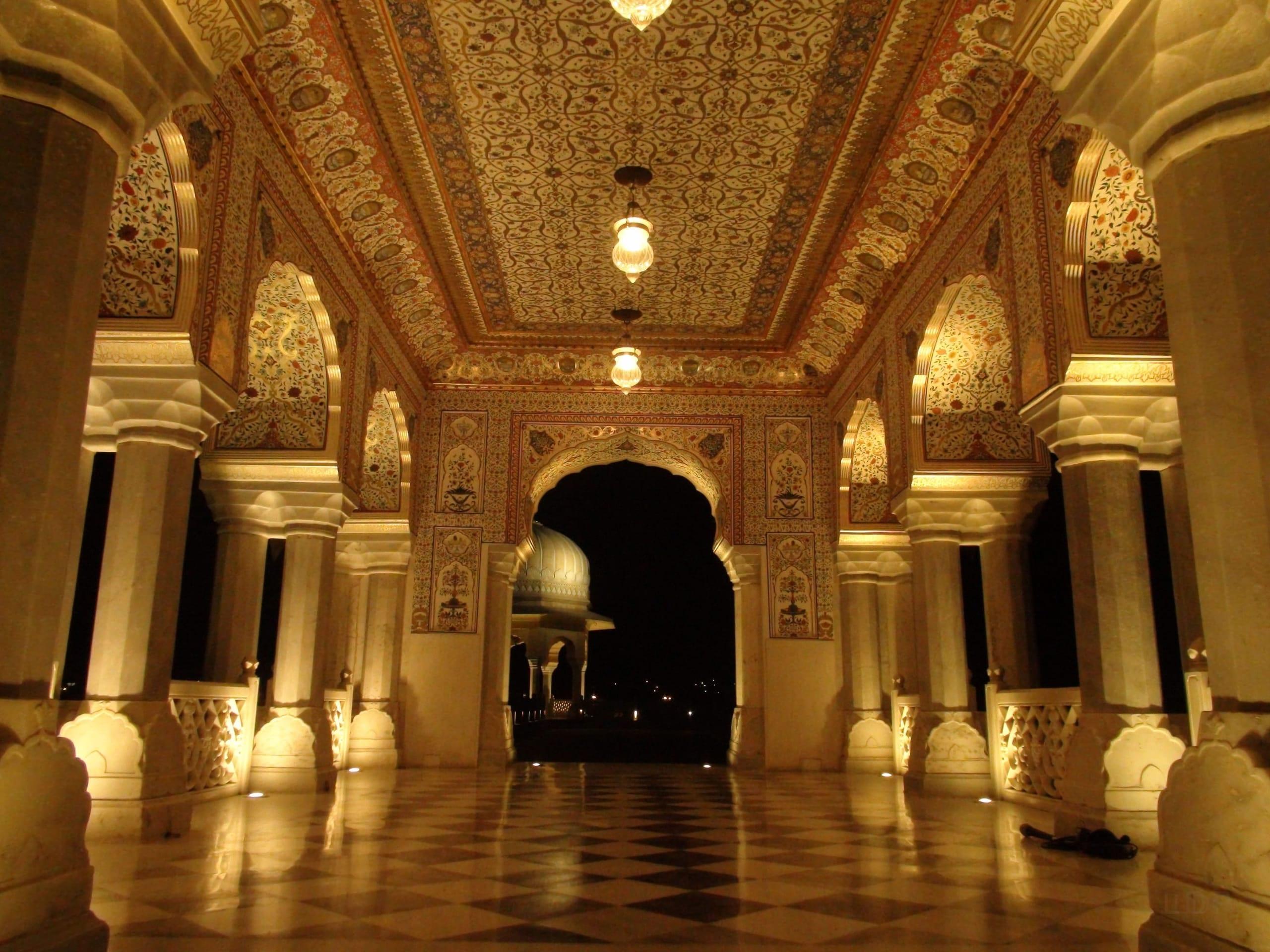
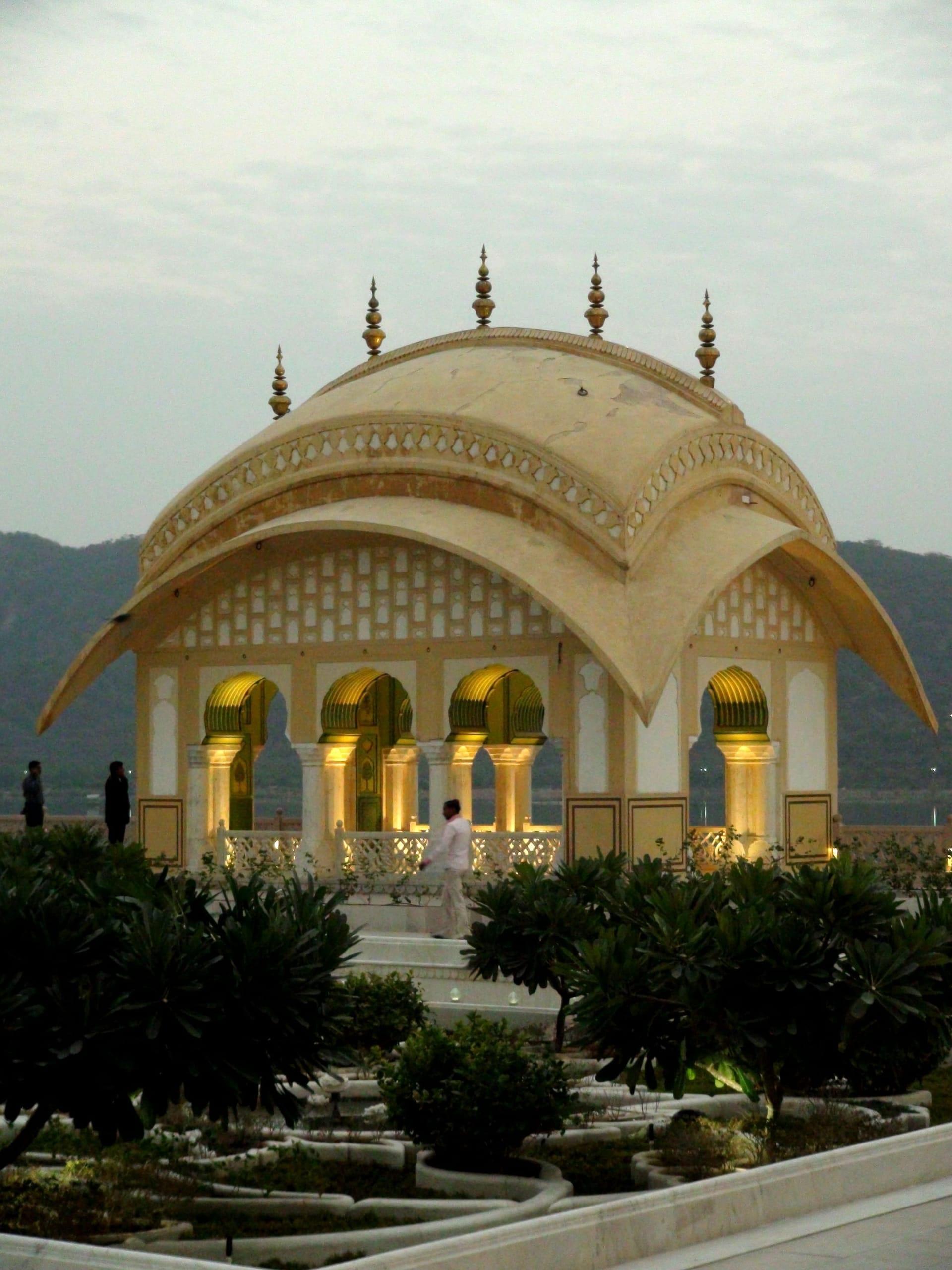
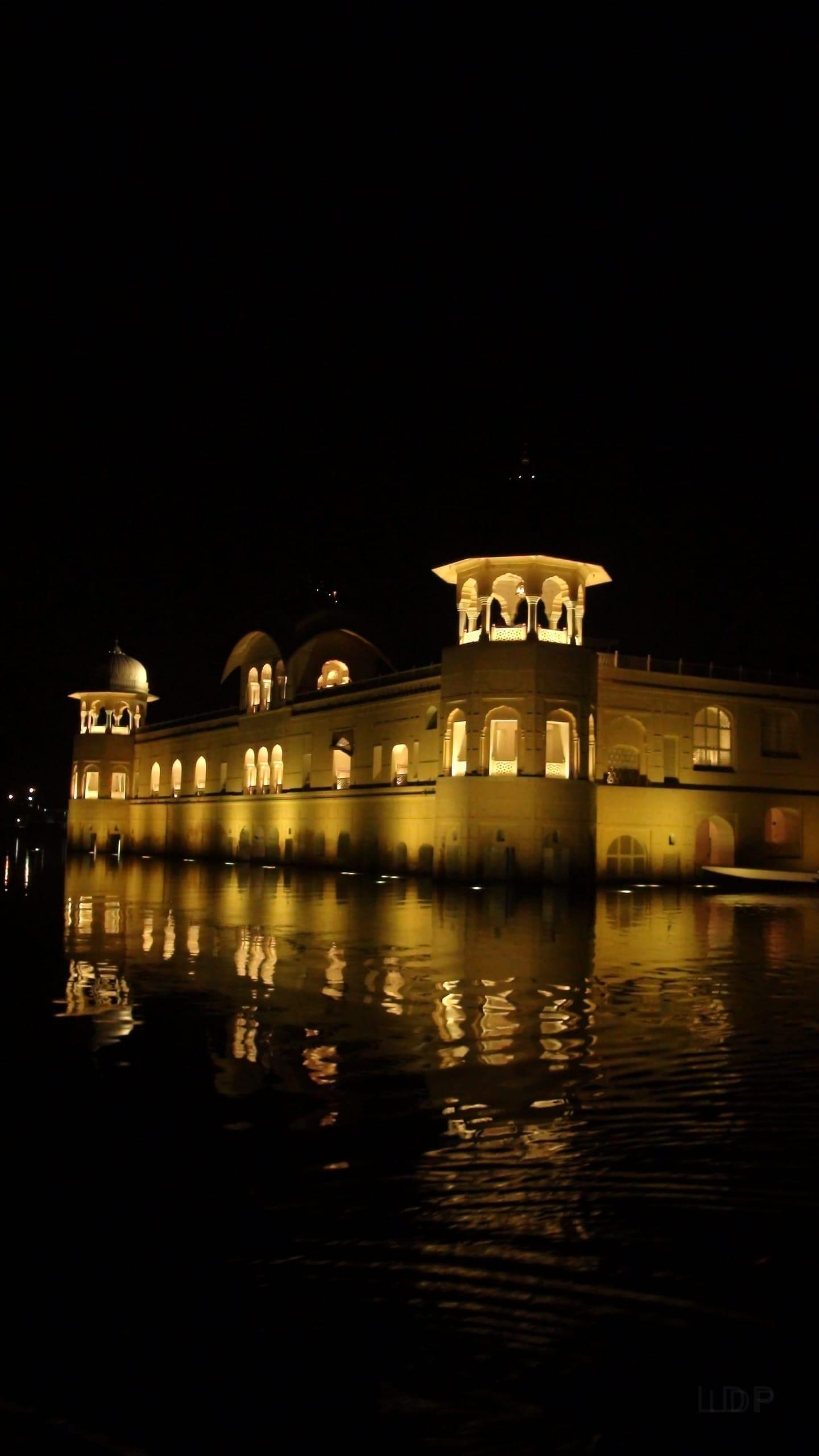
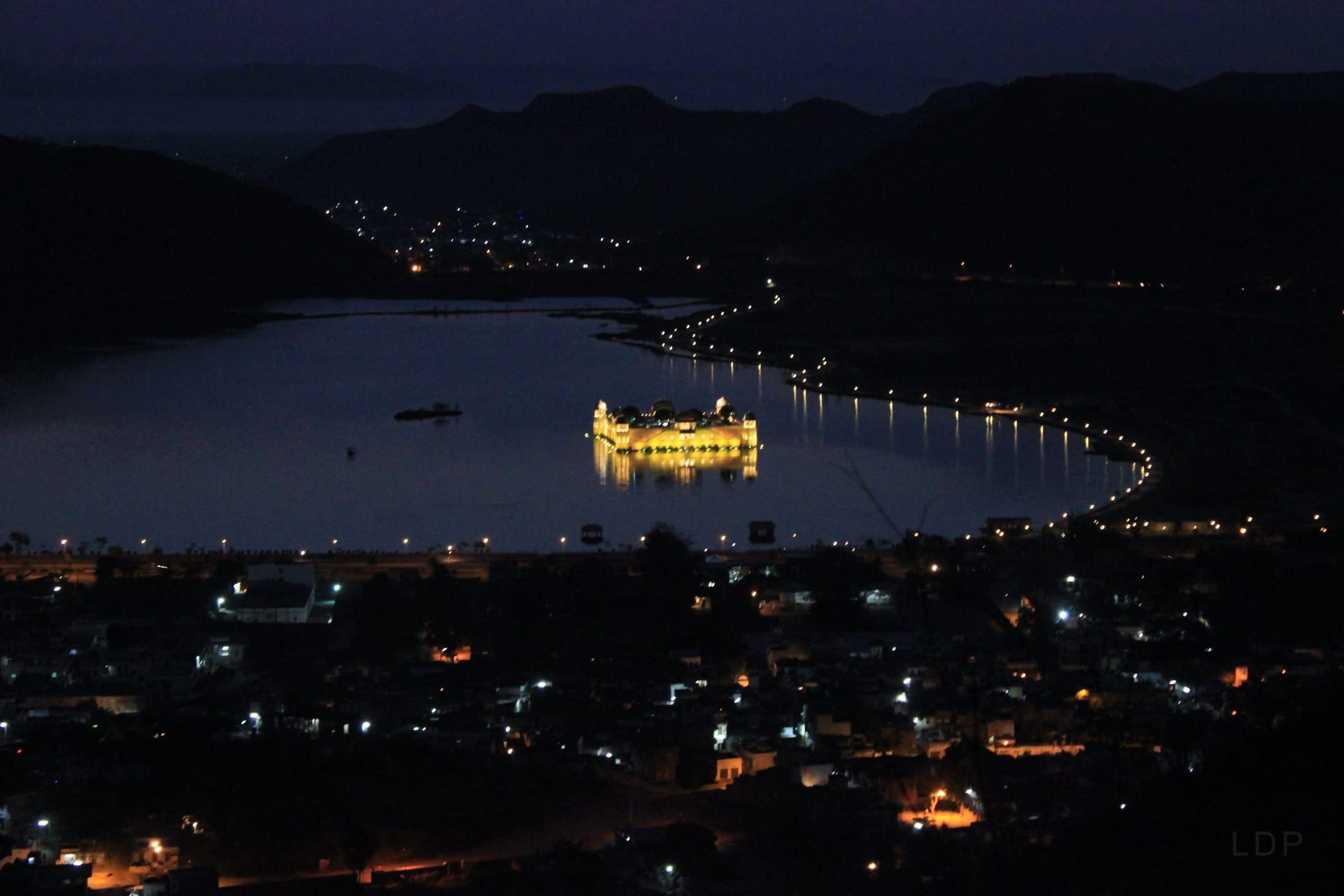
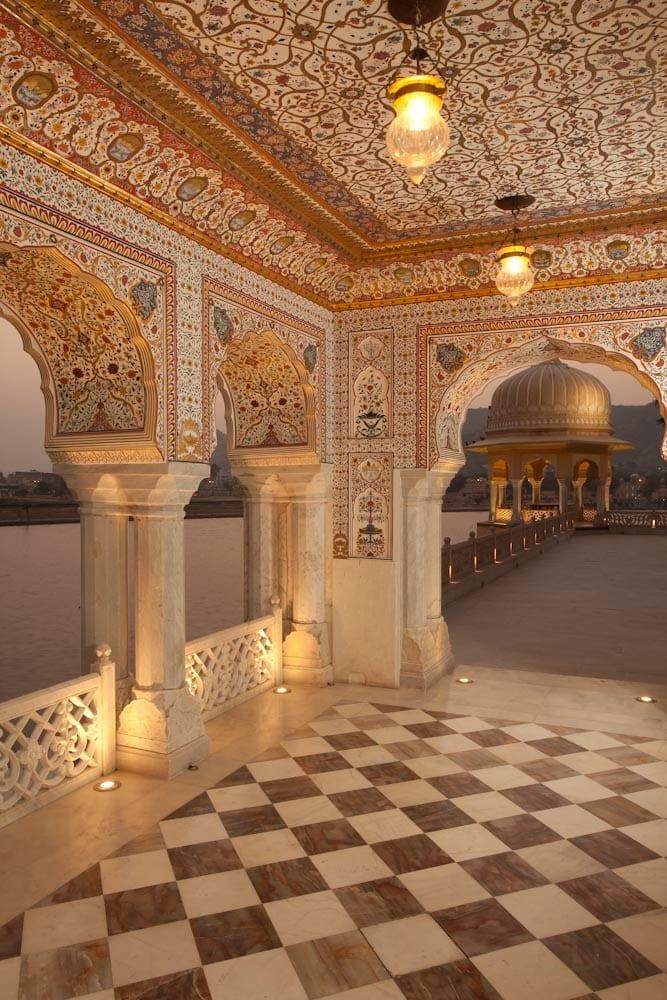
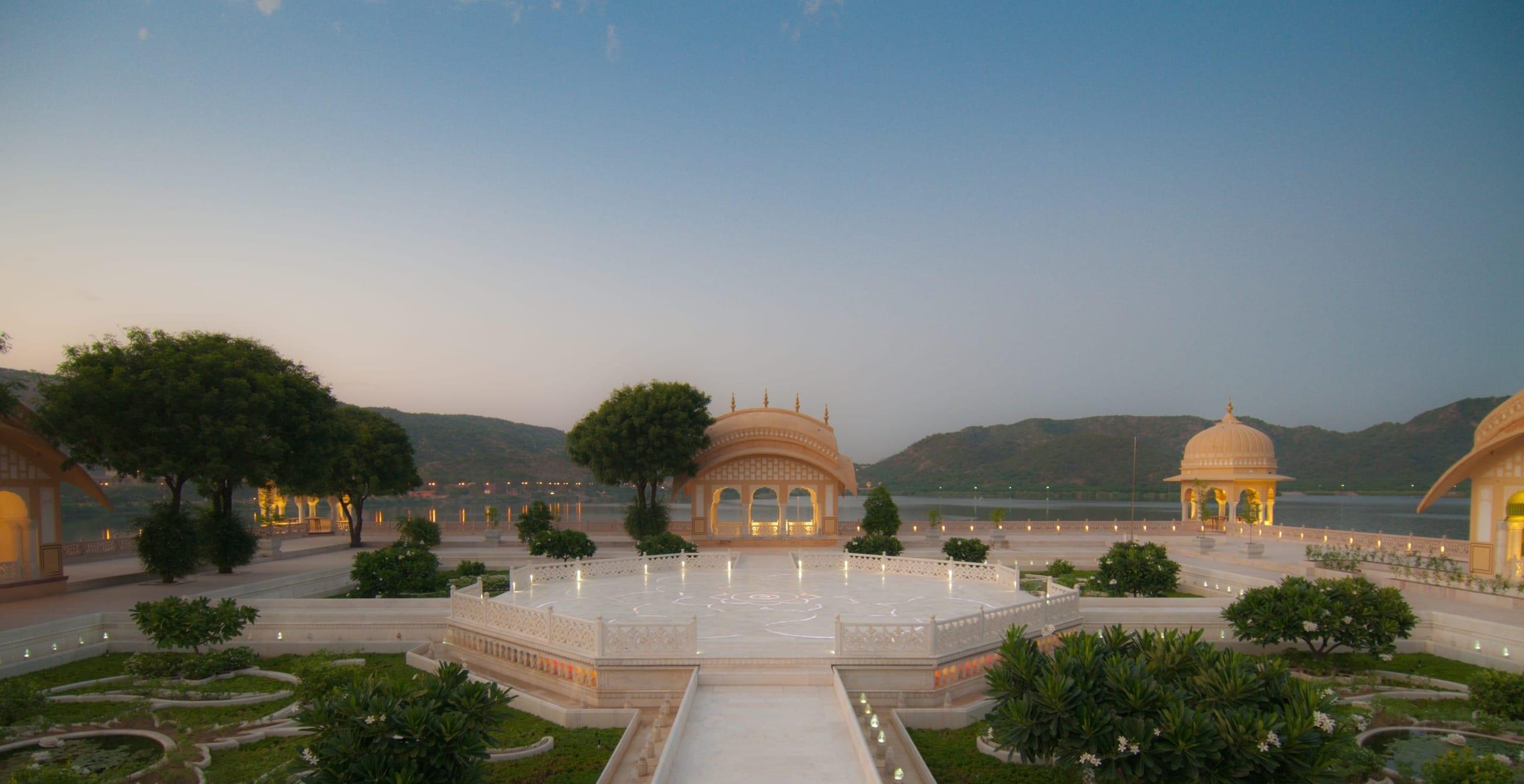
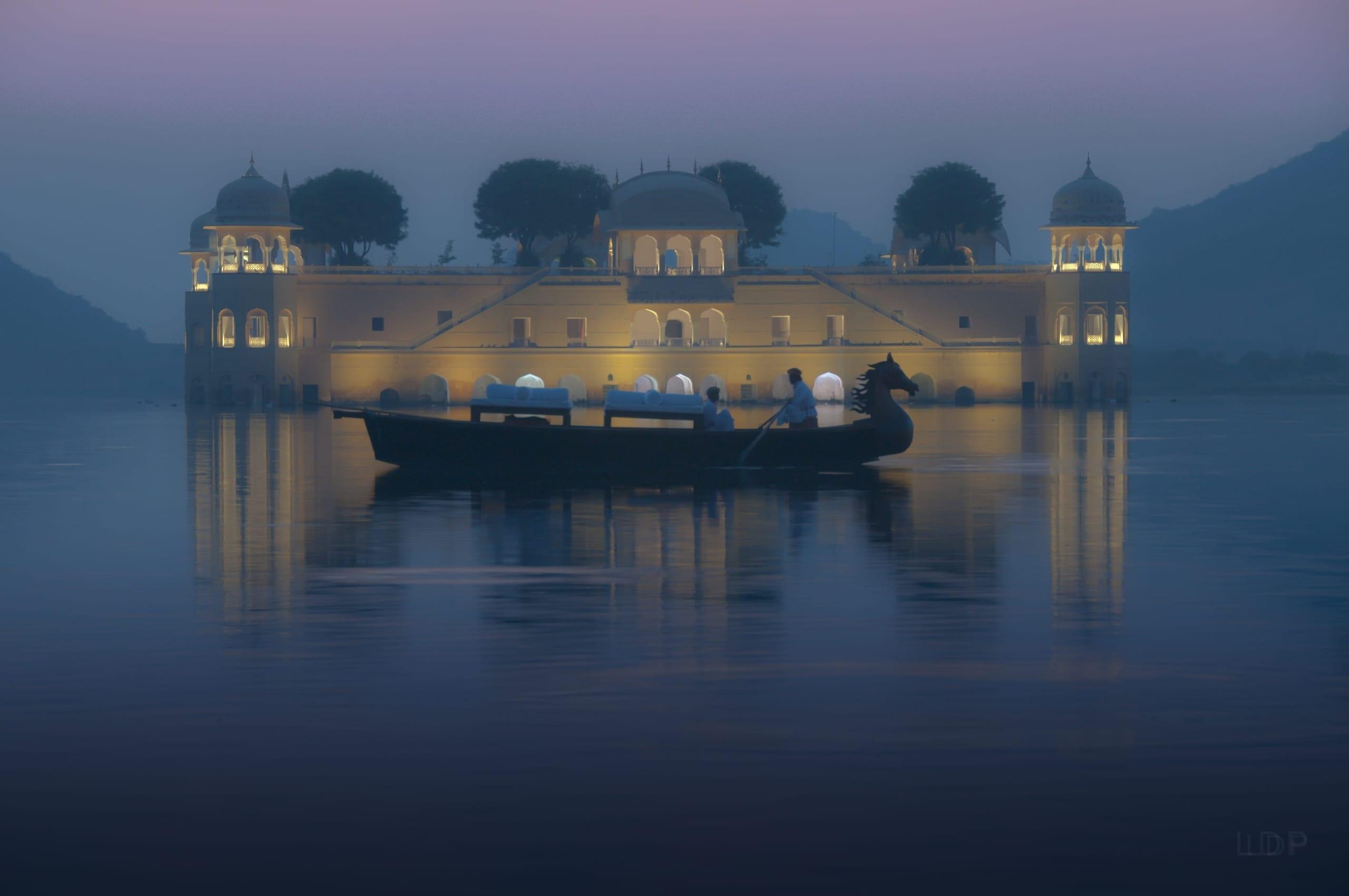
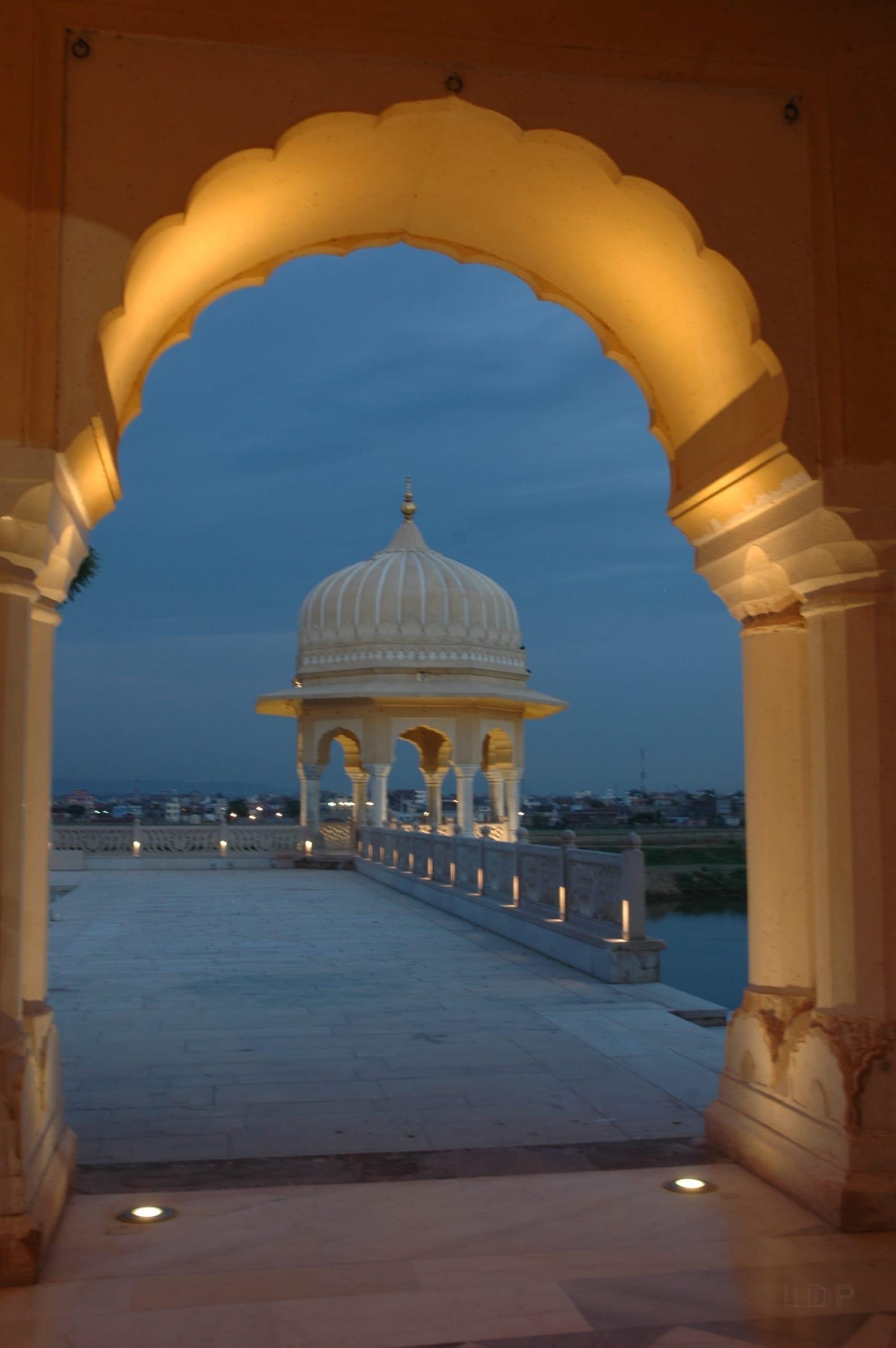
A palace that appears to float at the centre of Man Sagar Lake. Built in red sandstone in the eighteenth century, four of its five storeys sit submerged; only the top floor and its four corner chhatris stand above the water. LDP lit the monument from below the waterline. The luminaires sit on bespoke rigs that rise and fall with the lake, holding the wash true as the water level shifts through the seasons. The facades are washed ethereally, with no hardware in sight — the palace simply glows on the water, its reflection completing the form. A night-time icon, seen from the bank and never entered. The light makes the most of that distance: nothing competes with the silhouette, and the source is nowhere to be found.
Jal Mahal

Jaipur, India
2005-2011

A palace that appears to float at the centre of Man Sagar Lake. Built in red sandstone in the eighteenth century, four of its five storeys sit submerged; only the top floor and its four corner chhatris stand above the water. LDP lit the monument from below the waterline. The luminaires sit on bespoke rigs that rise and fall with the lake, holding the wash true as the water level shifts through the seasons. The facades are washed ethereally, with no hardware in sight — the palace simply glows on the water, its reflection completing the form. A night-time icon, seen from the bank and never entered. The light makes the most of that distance: nothing competes with the silhouette, and the source is nowhere to be found.
WithRajeev LunkadJaipur Craftsmen
Jal Mahal, image 1
© LDP 2026
Connect

Clarke Quay

Singapore · 2008
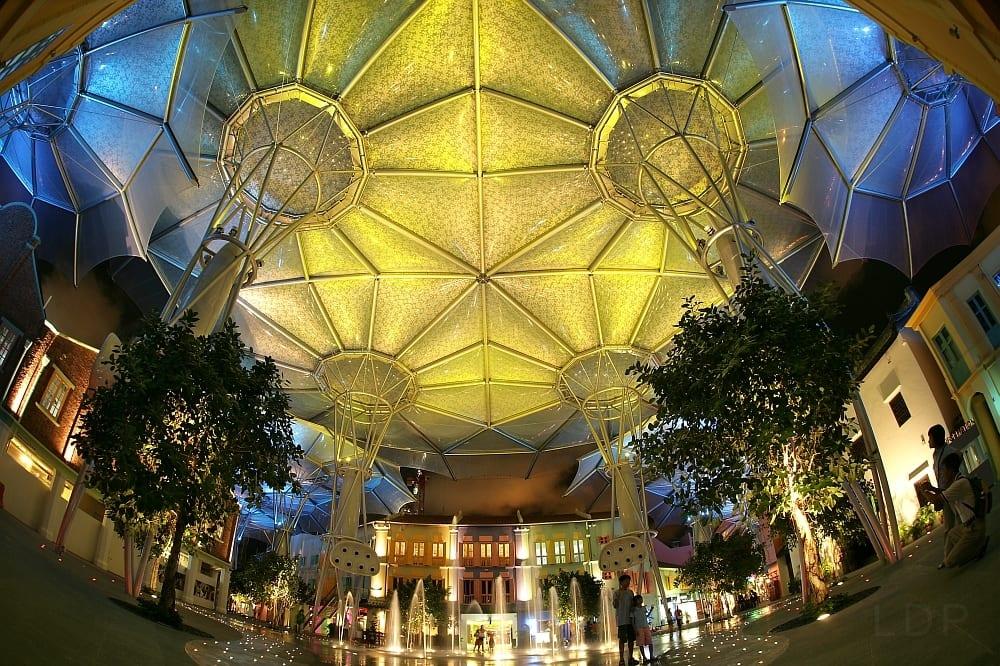
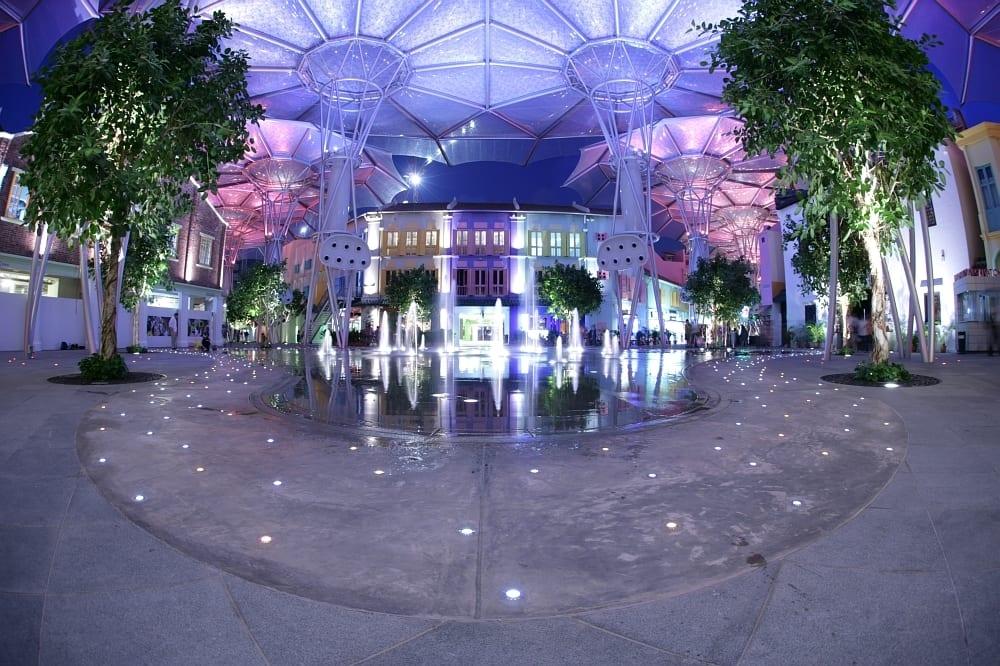
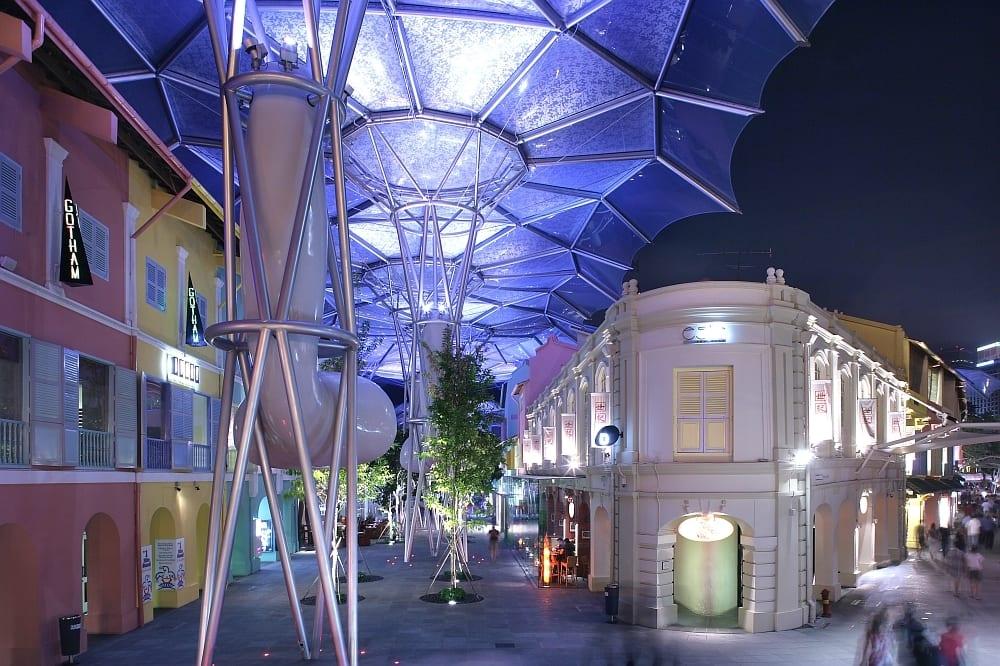
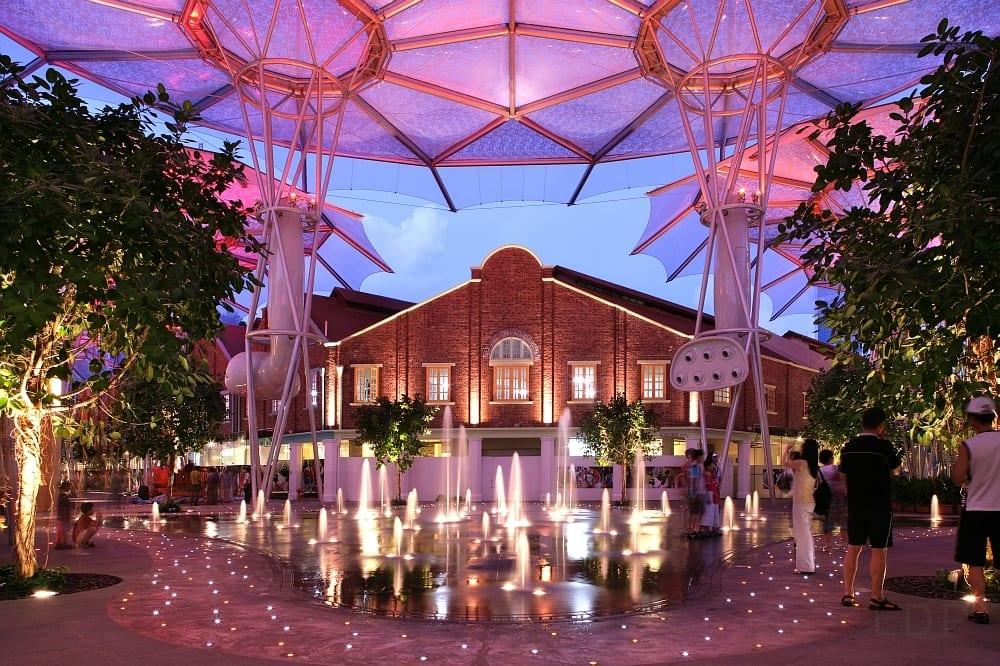
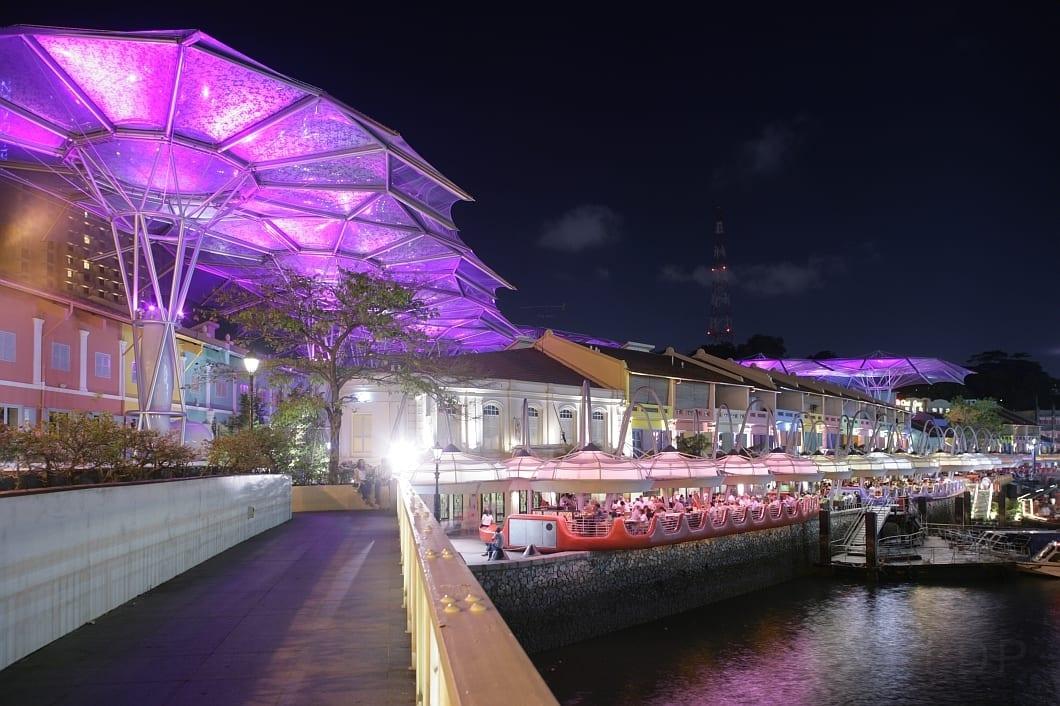
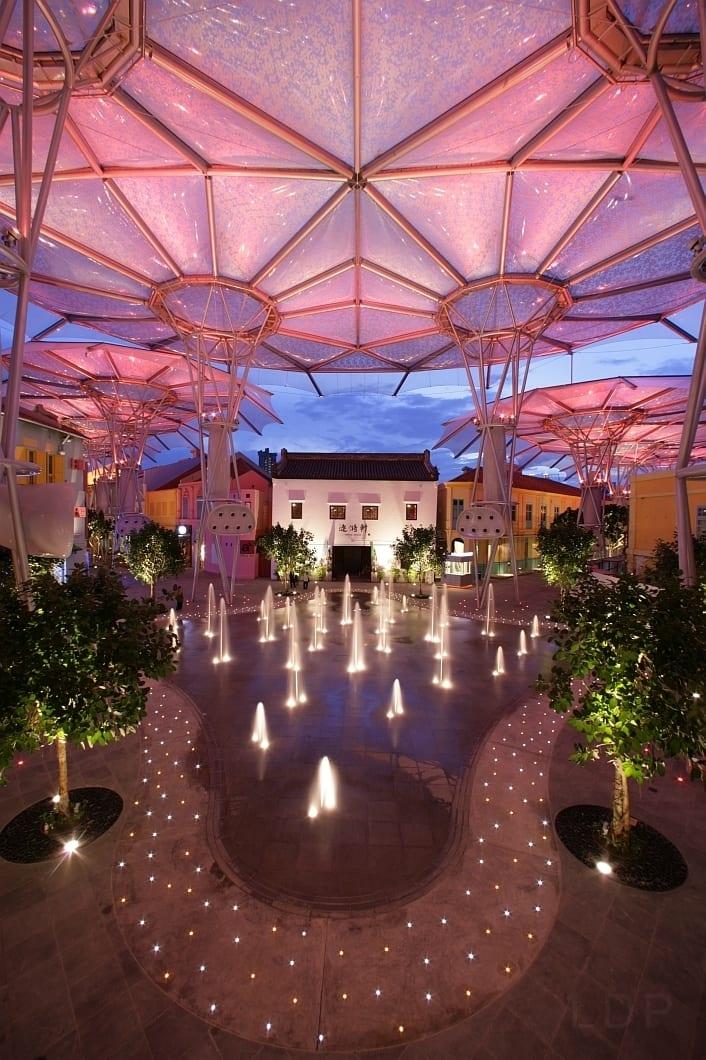
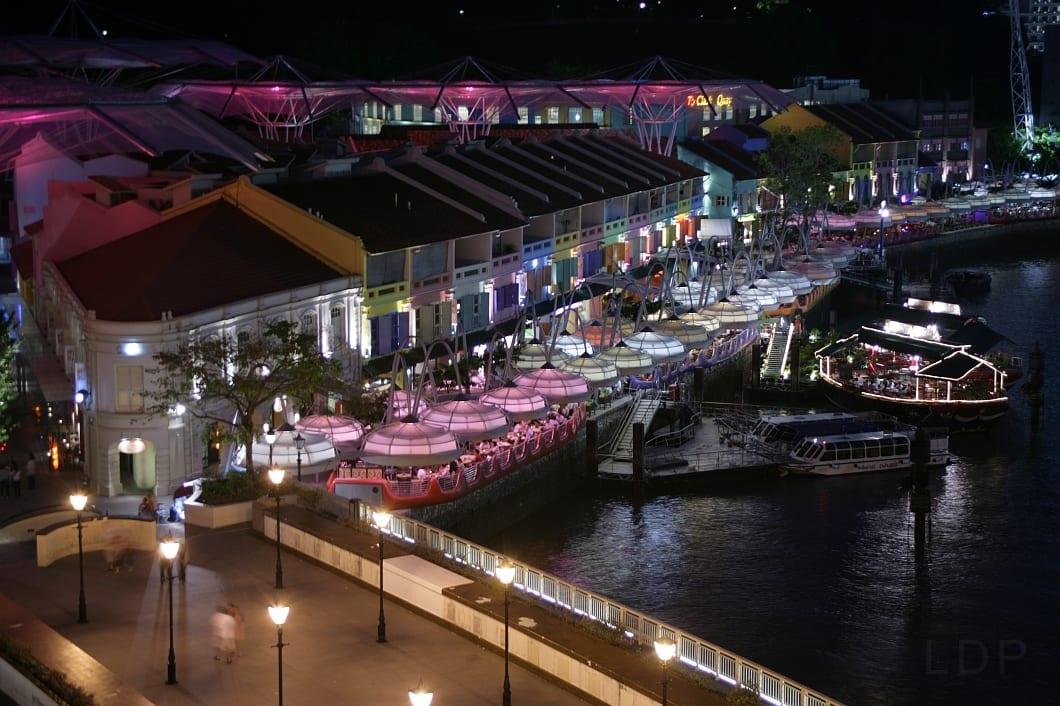
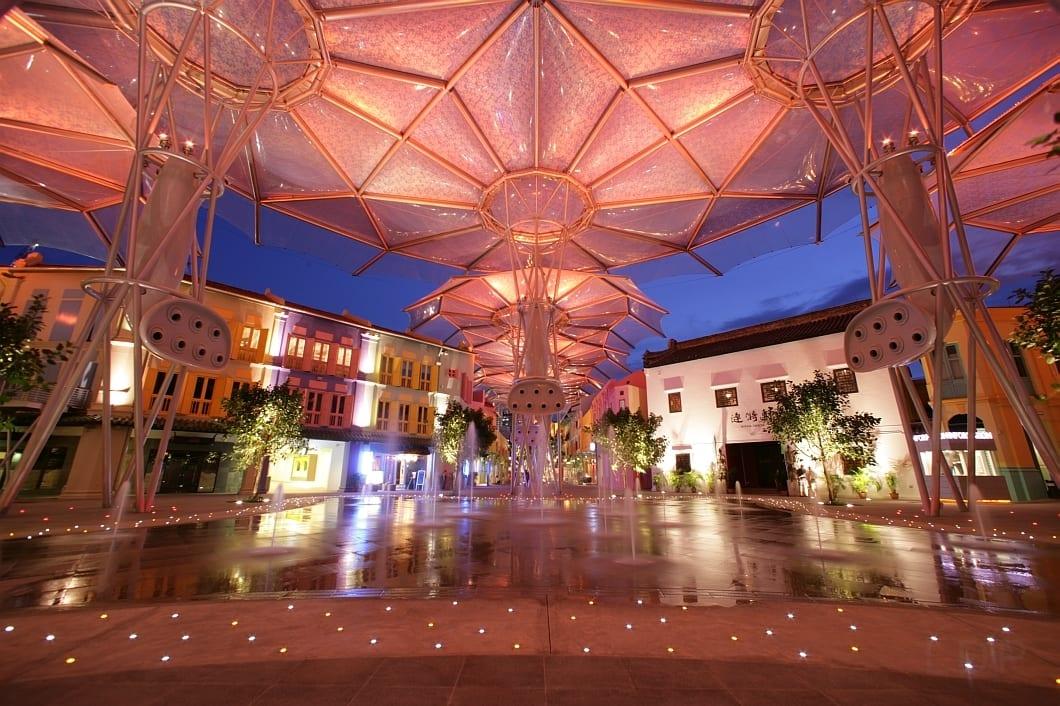
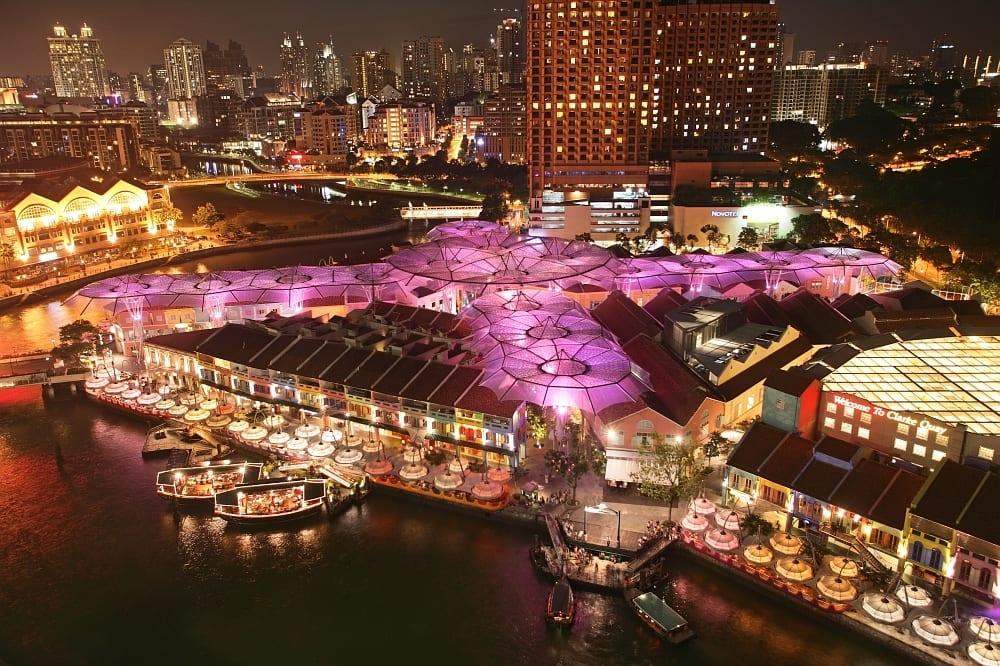
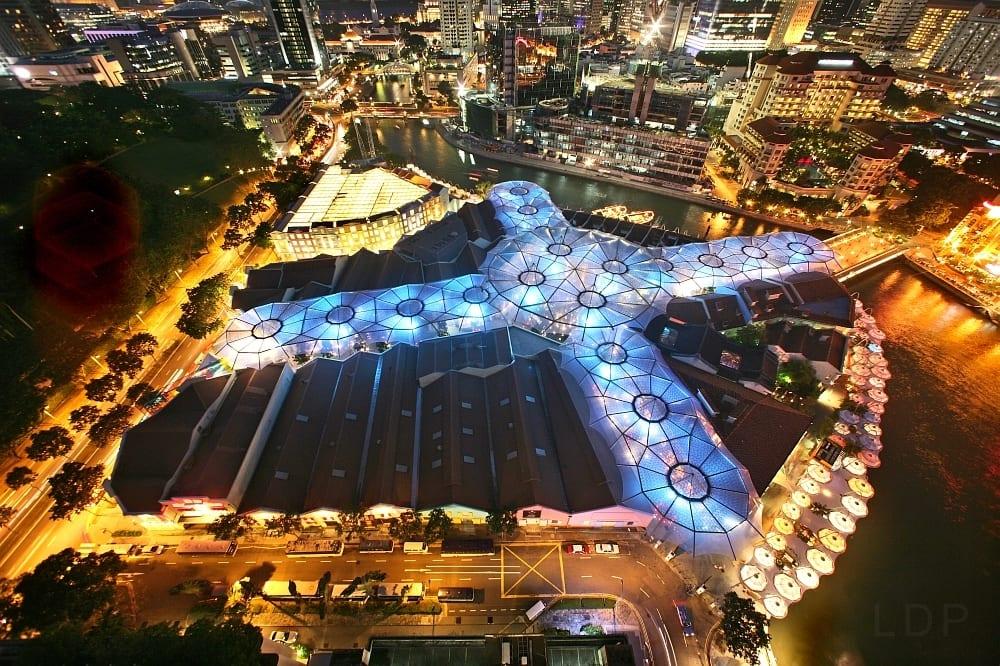
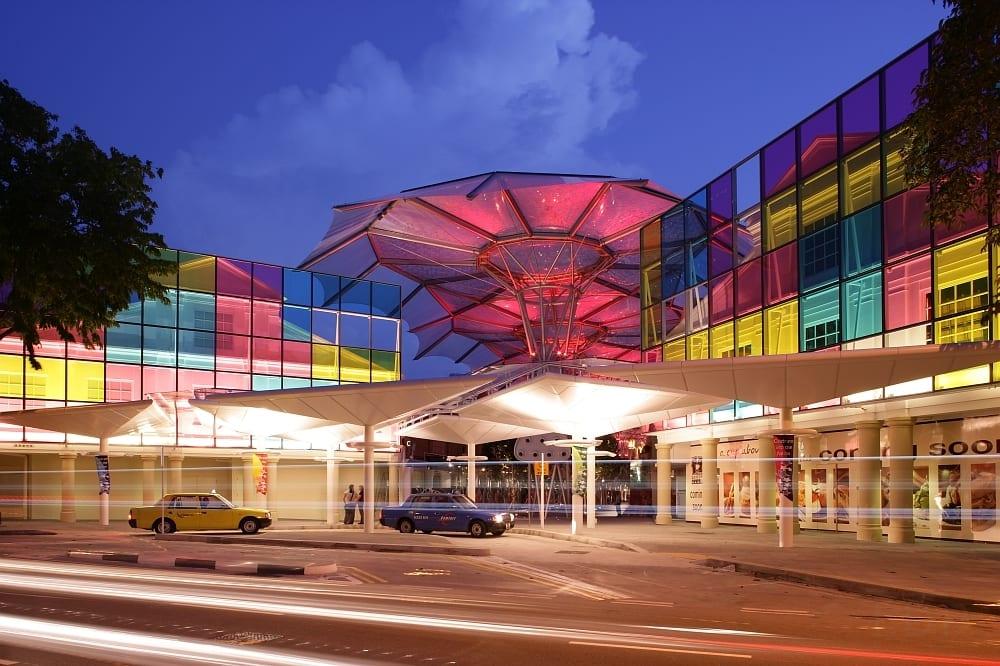
Clarke Quay was being remade as a night destination, part of a wider revitalisation of Singapore's centre. Will Alsop's tensile enclosures gave the precinct climate control without touching the heritage buildings they sheltered — and LDP found the lighting inside the engineering. The foil print developed for the ETFE membranes works twice: by day it shades against the tropical sun; by night the same surface turns reflector, washing the circulation below in indirect light, no luminaires imposed on the old façades. The move was to let a small proportion of that light leak through the membrane rather than contain it. That leak became the signature — the glow that reads Clarke Quay as a place after dark, and the model other revitalisations have followed since.
Clarke Quay

Singapore
2008

Clarke Quay was being remade as a night destination, part of a wider revitalisation of Singapore's centre. Will Alsop's tensile enclosures gave the precinct climate control without touching the heritage buildings they sheltered — and LDP found the lighting inside the engineering. The foil print developed for the ETFE membranes works twice: by day it shades against the tropical sun; by night the same surface turns reflector, washing the circulation below in indirect light, no luminaires imposed on the old façades. The move was to let a small proportion of that light leak through the membrane rather than contain it. That leak became the signature — the glow that reads Clarke Quay as a place after dark, and the model other revitalisations have followed since.
Clarke Quay, image 1
© LDP 2026
Connect
LDP | Work