Jal Mahal
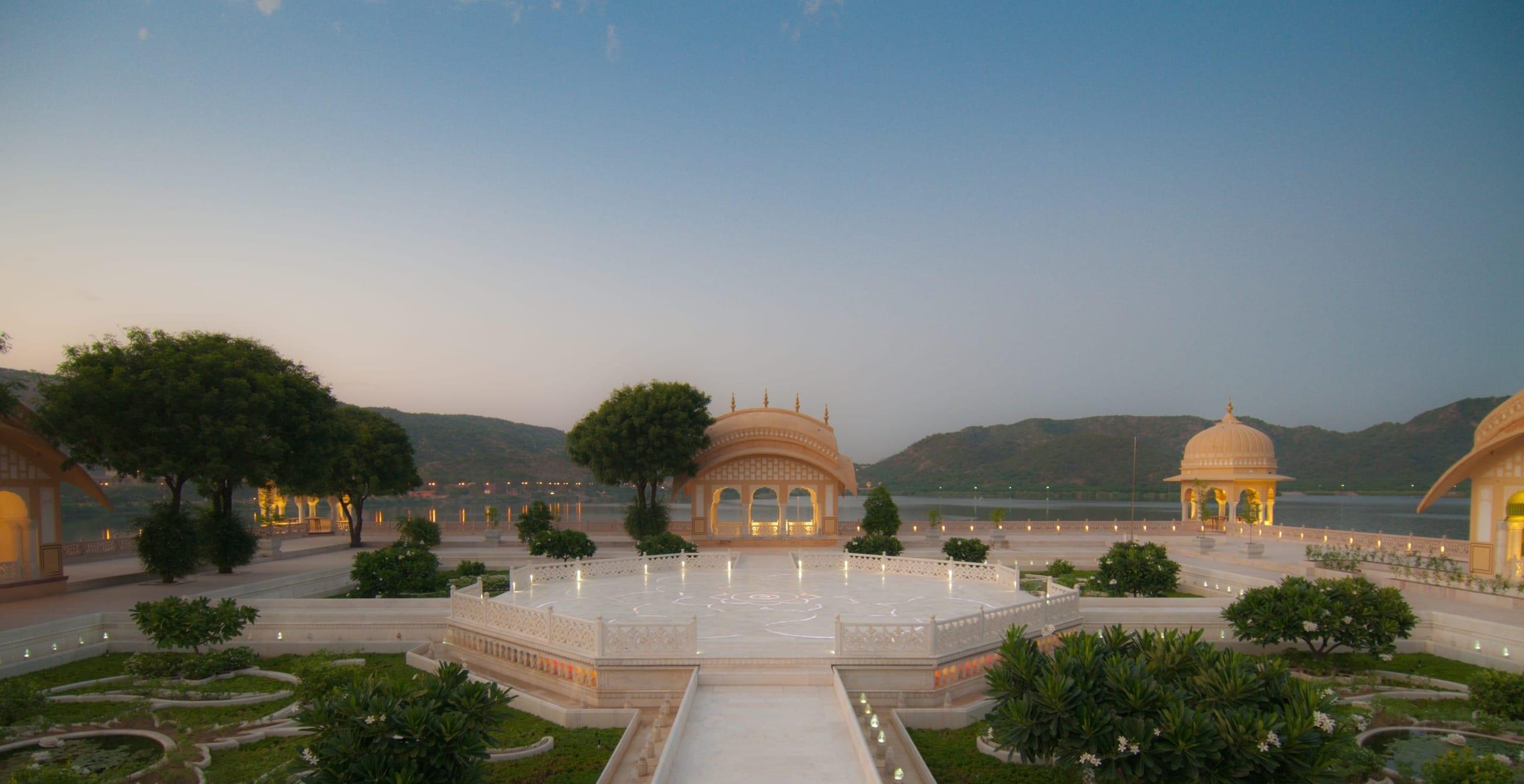
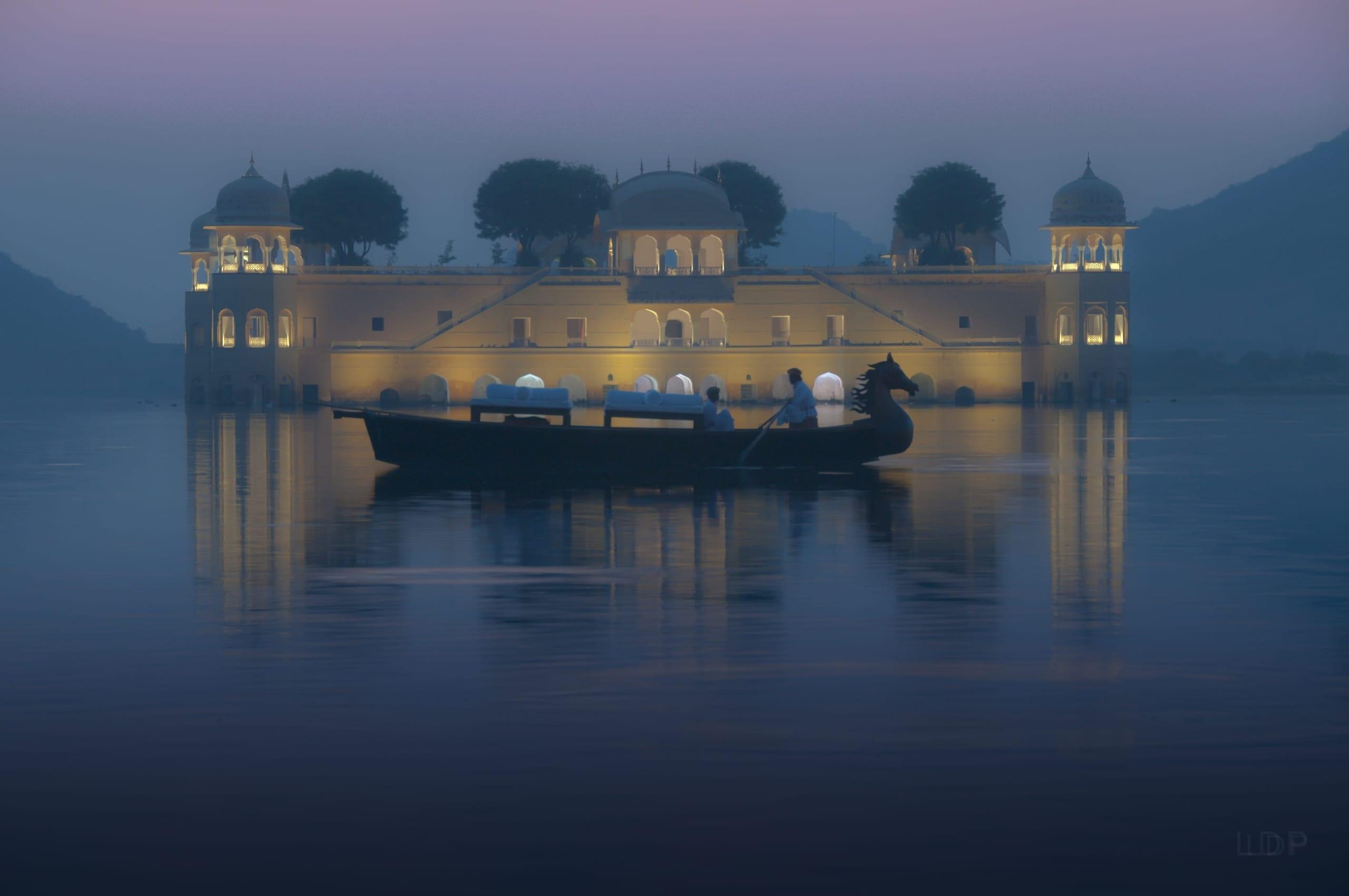
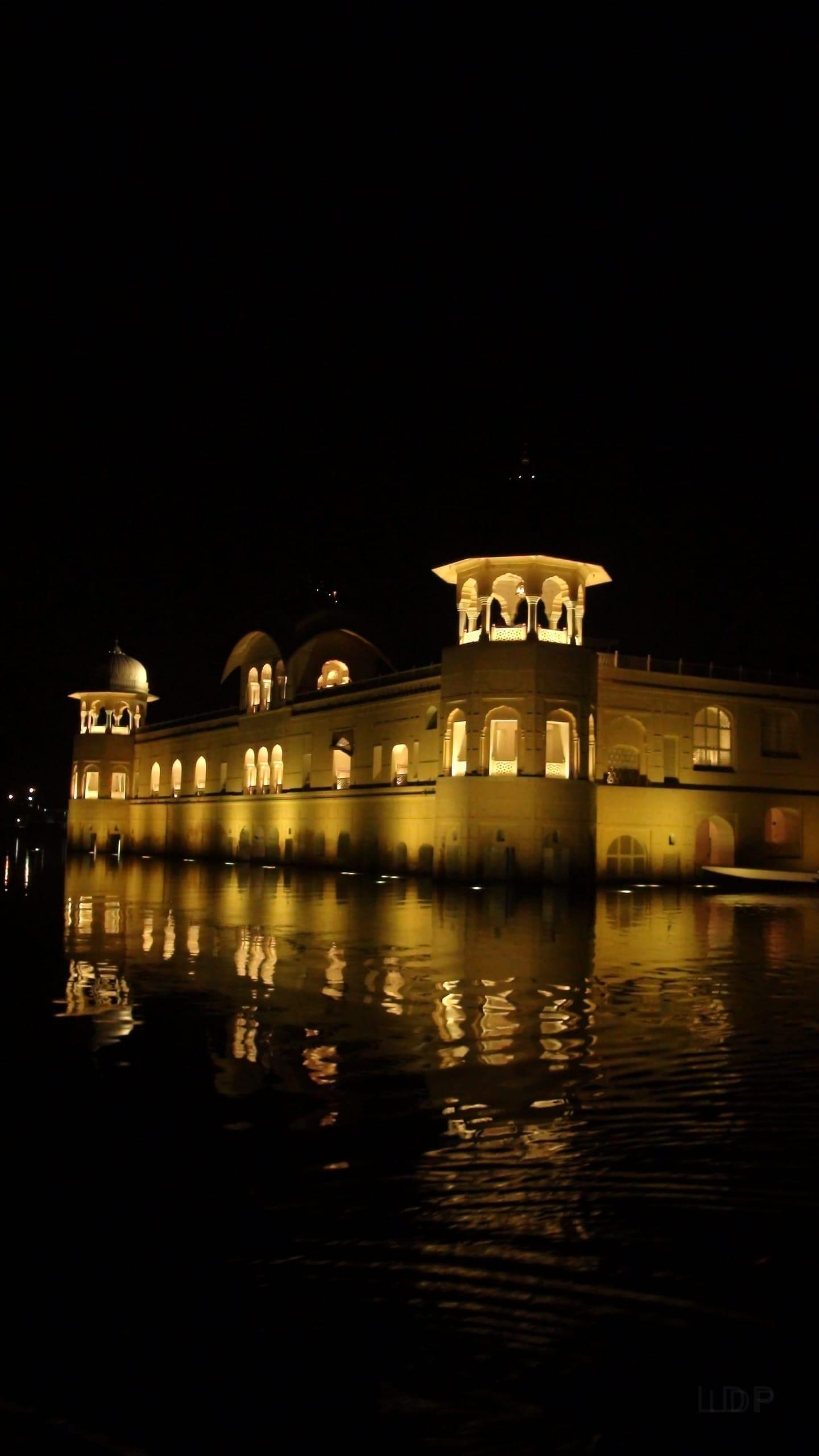
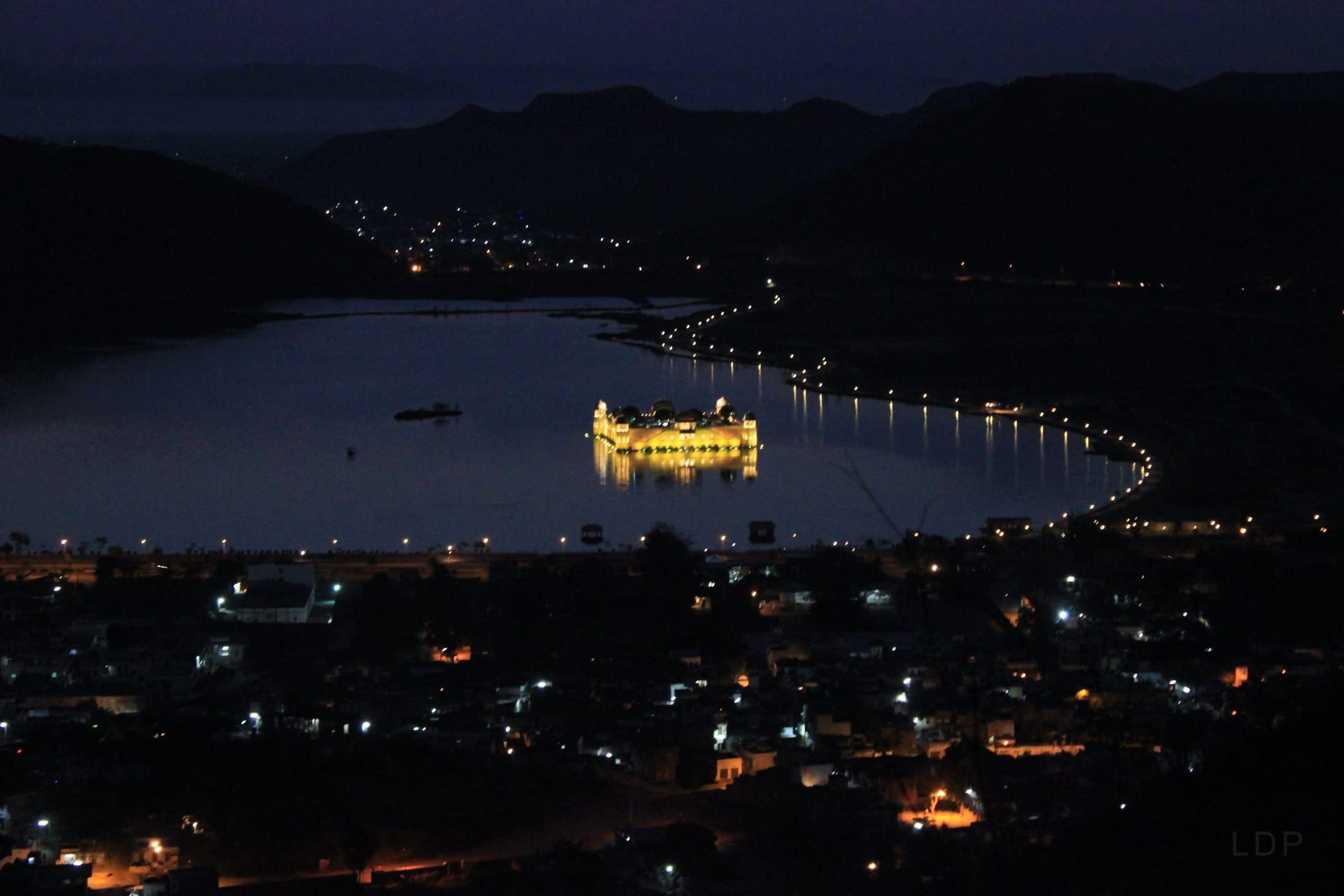
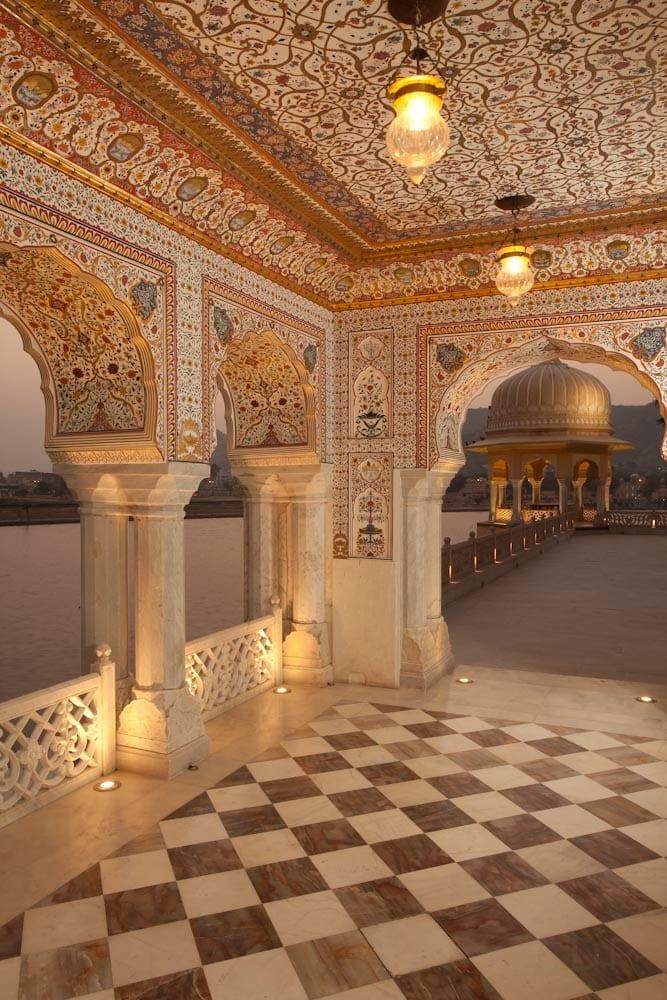
A palace that appears to float at the centre of Man Sagar Lake. Built in red sandstone in the eighteenth century, four of its five storeys sit submerged; only the top floor and its four corner chhatris stand above the water. LDP lit the monument from below the waterline. The luminaires sit on bespoke rigs that rise and fall with the lake, holding the wash true as the water level shifts through the seasons. The facades are washed ethereally, with no hardware in sight — the palace simply glows on the water, its reflection completing the form. A night-time icon, seen from the bank and never entered. The light makes the most of that distance: nothing competes with the silhouette, and the source is nowhere to be found.
Sydney Opera House
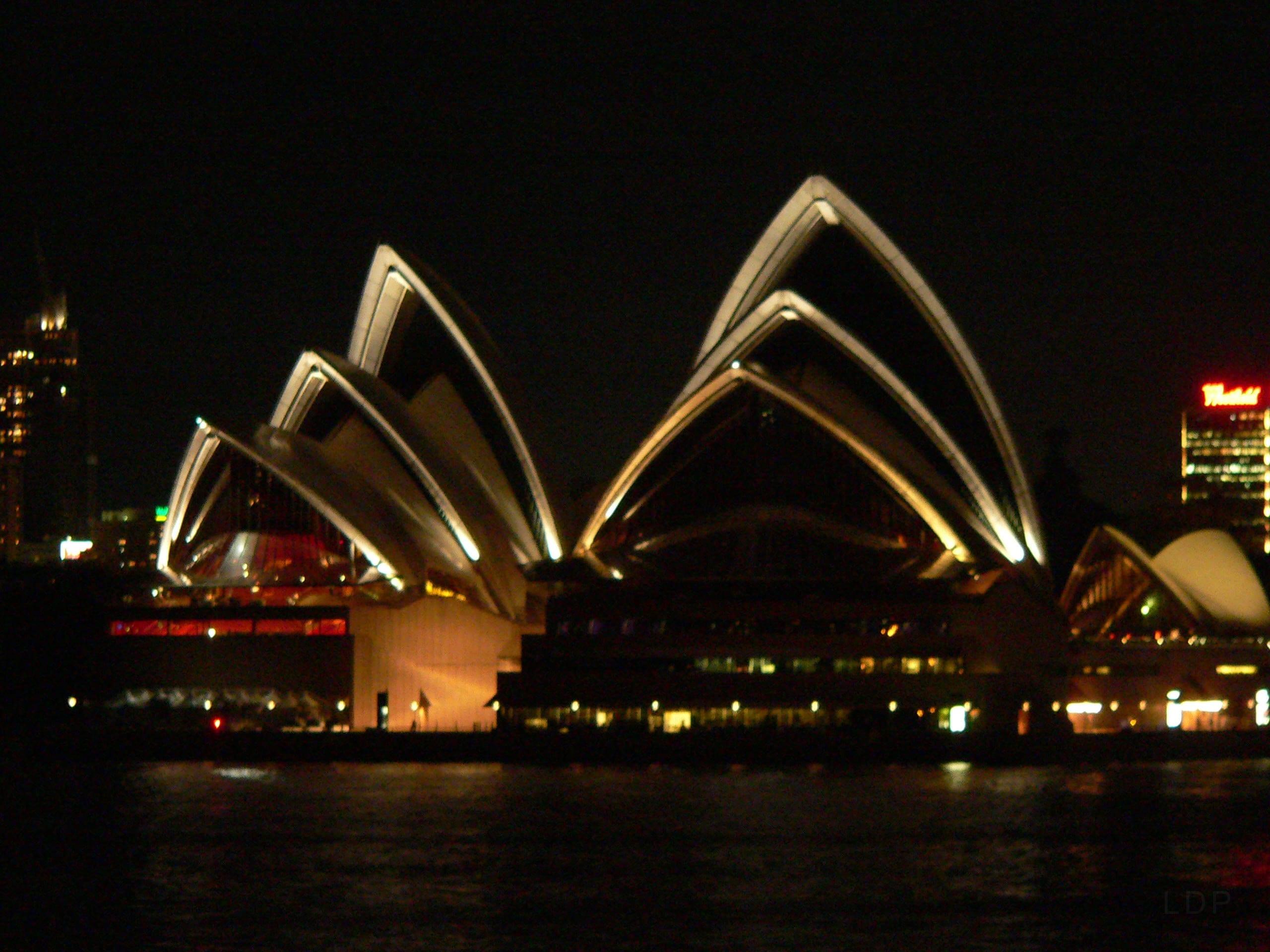
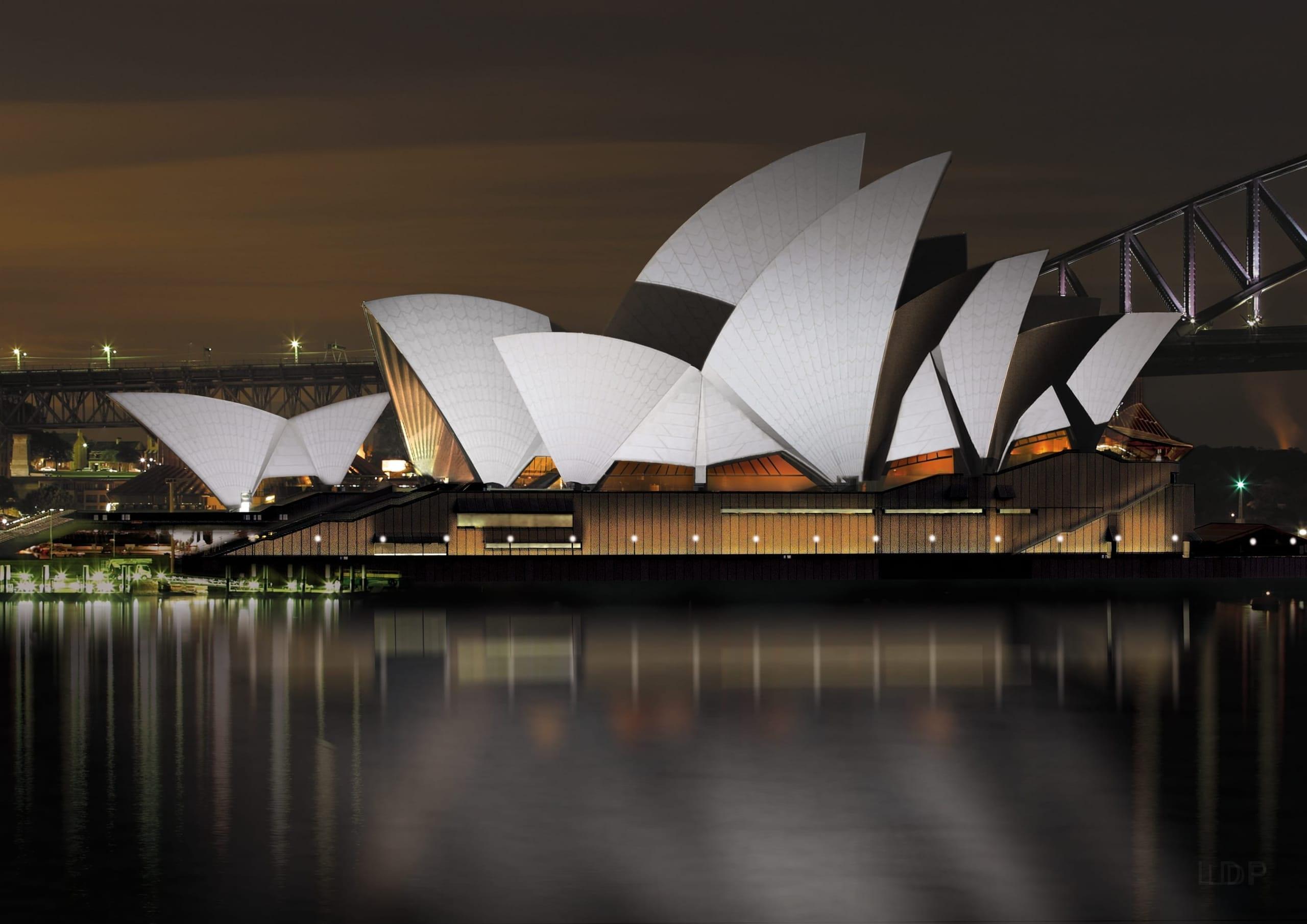
To light a UNESCO World Heritage site is to resist an impulse — the pull to do more, to celebrate an icon by covering it in light. The lighting of the northern shells at the Sydney Opera House was won the other way, by gradual elimination: taking away until only the essential remained. What was left is the barest of means — a limited number of luminaires, carefully shielded and precisely aimed — doing one thing completely. The shells are defined and overlapped, their geometry read clearly against the night, with no light spilled into the sky above them. The restraint is the design. Nothing competes with the form, nothing announces the apparatus, and the building is allowed to be exactly what it already is. The best lighting design is invisible, only experienced — and there are few places where that conviction is easier to see, or harder to have earned.