Jal Mahal
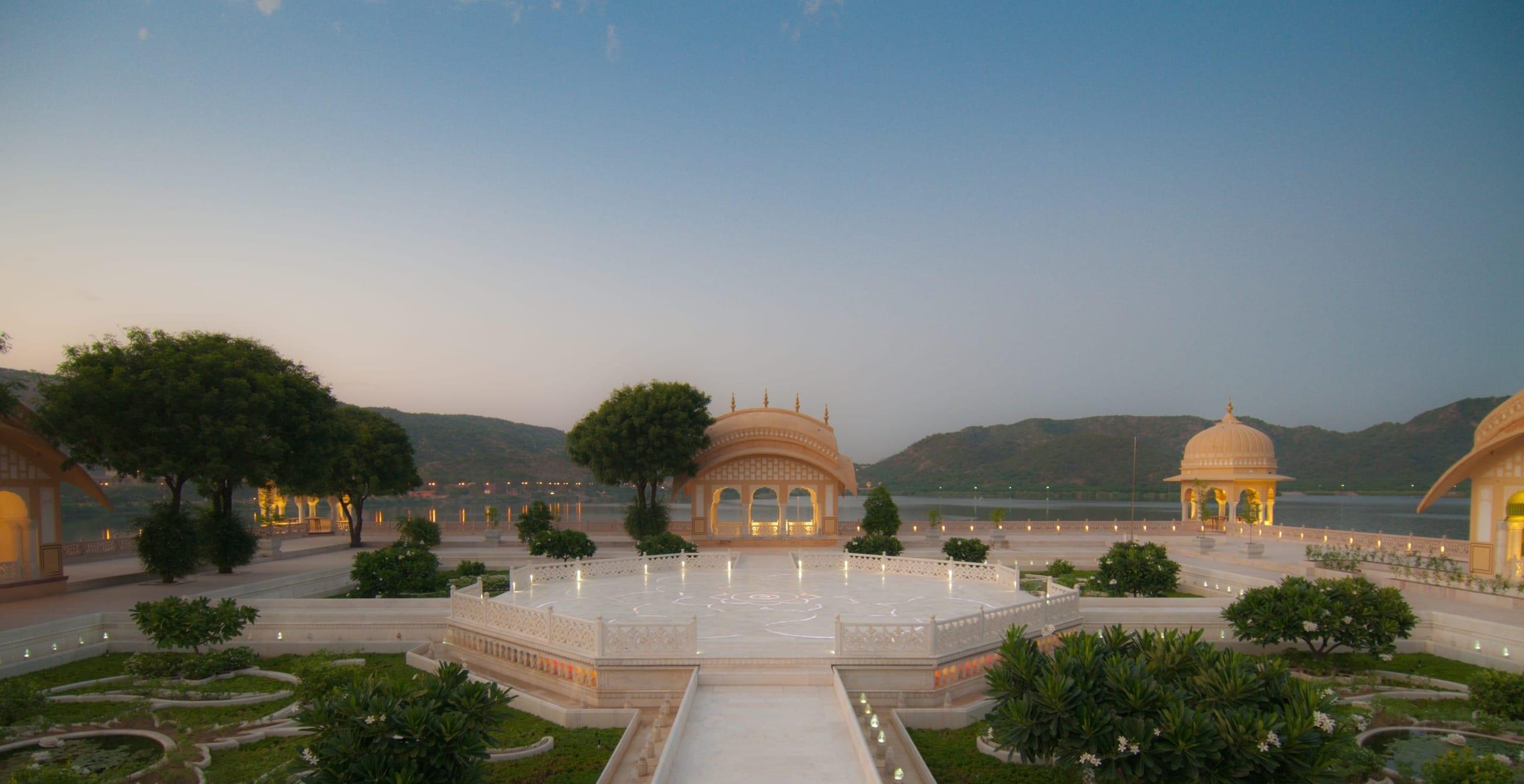
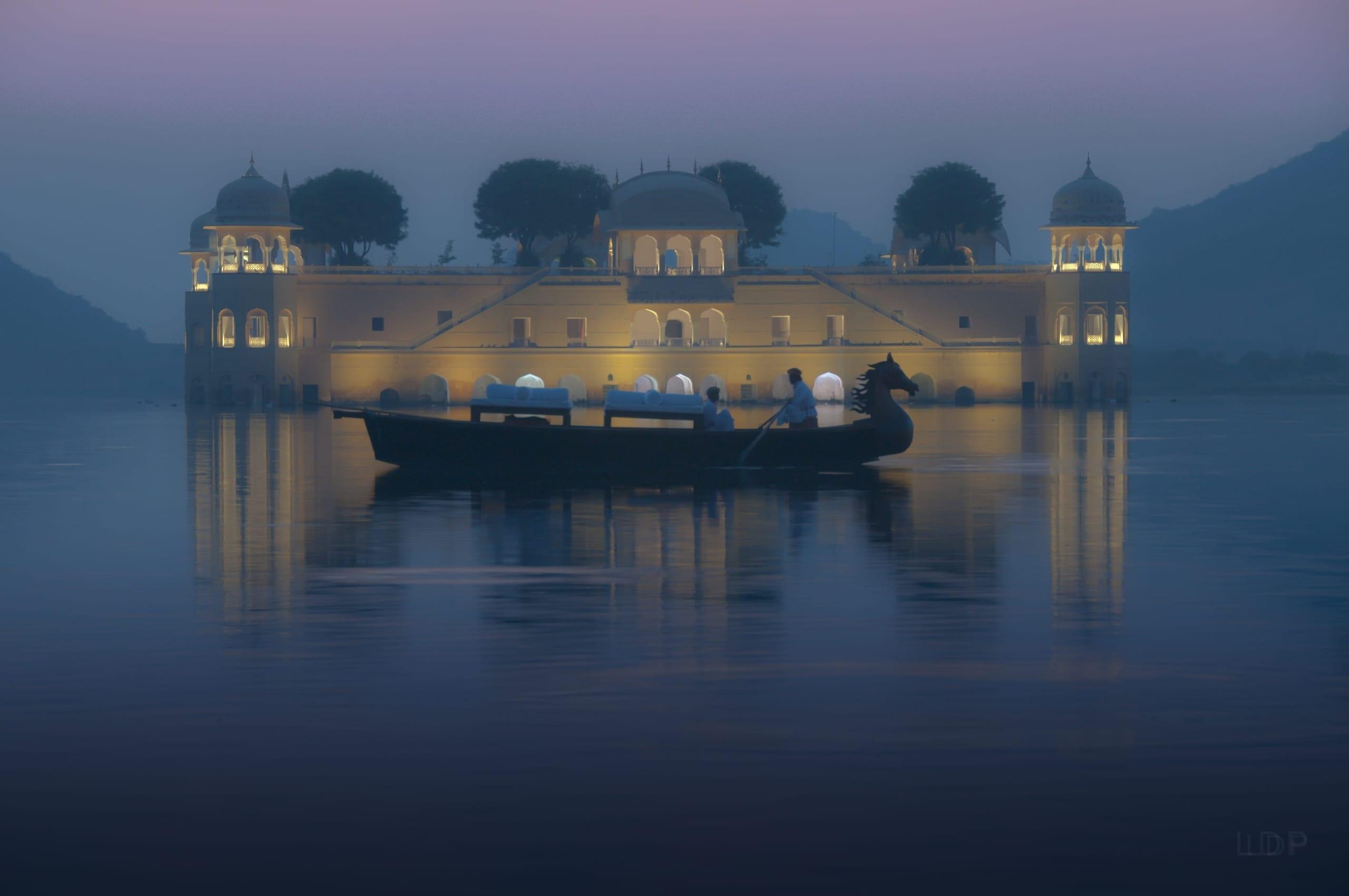
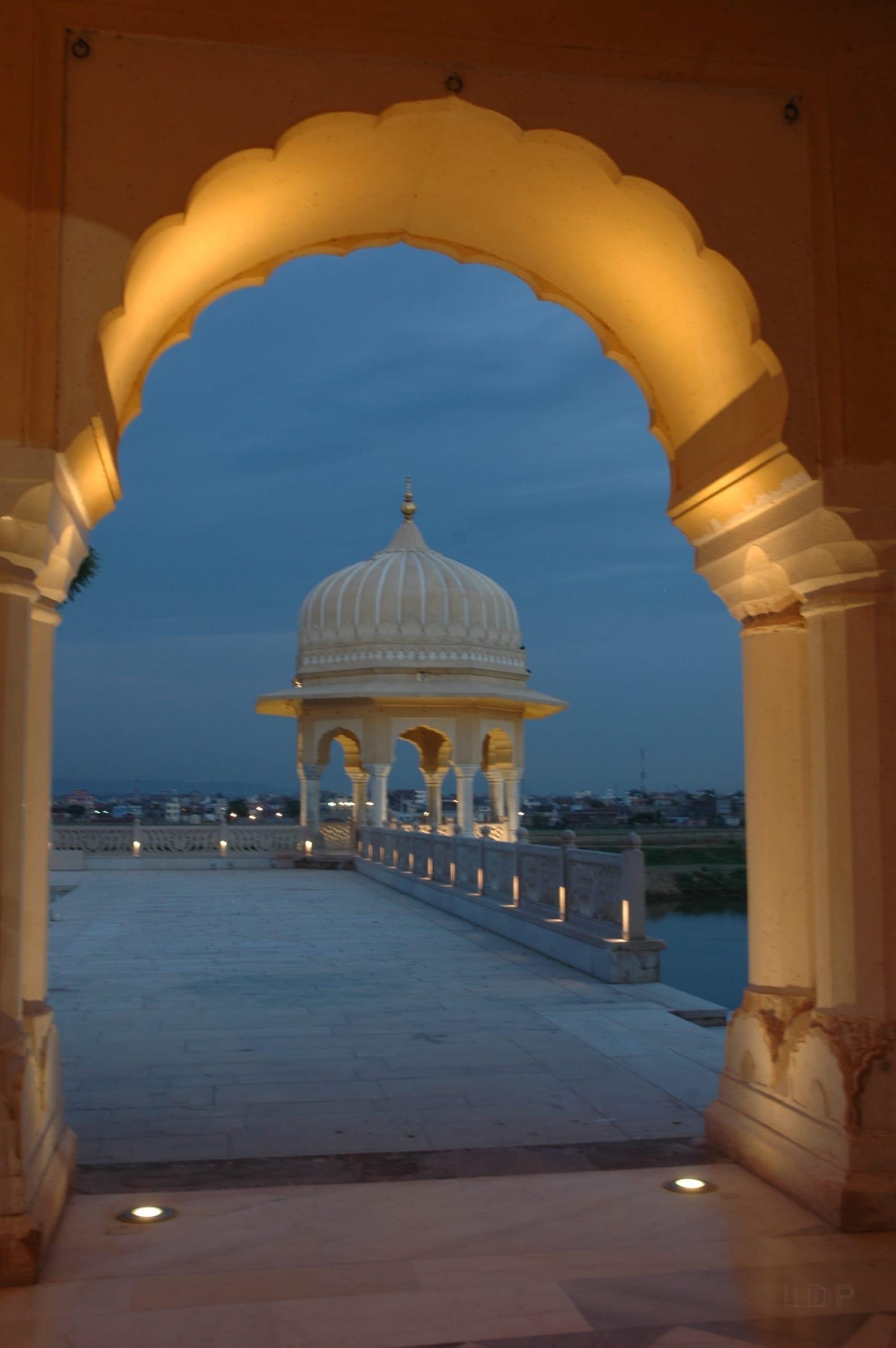
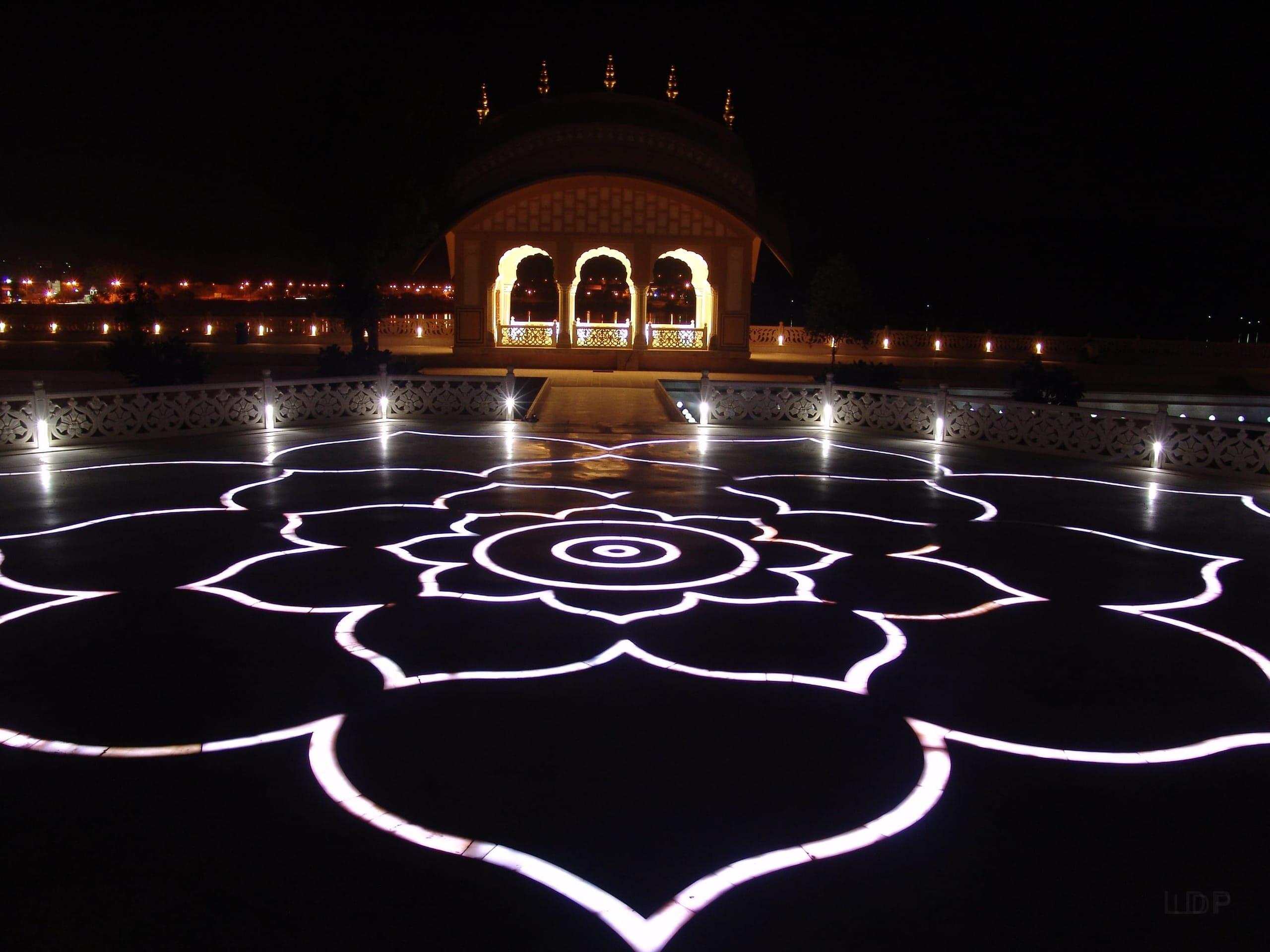
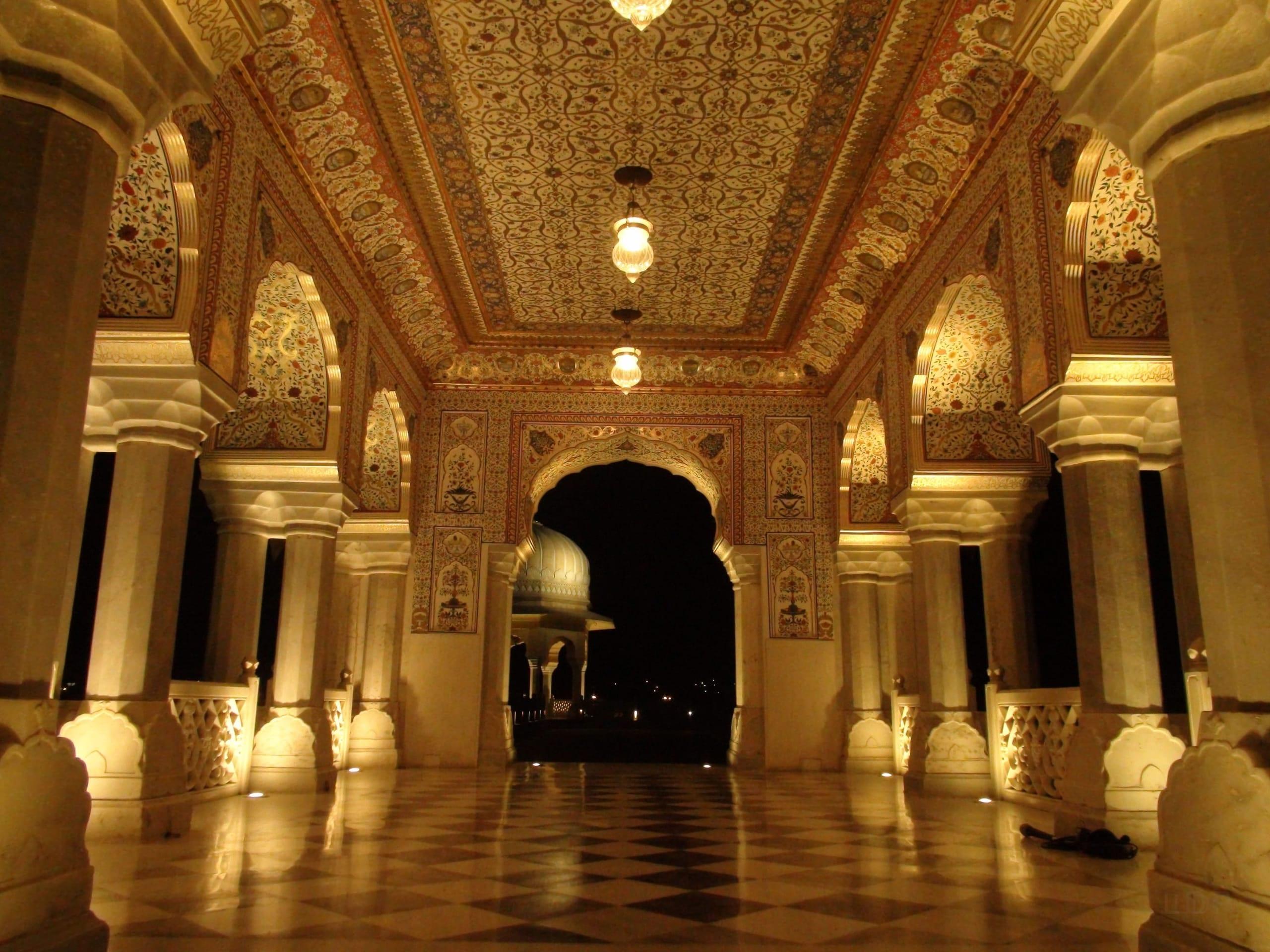
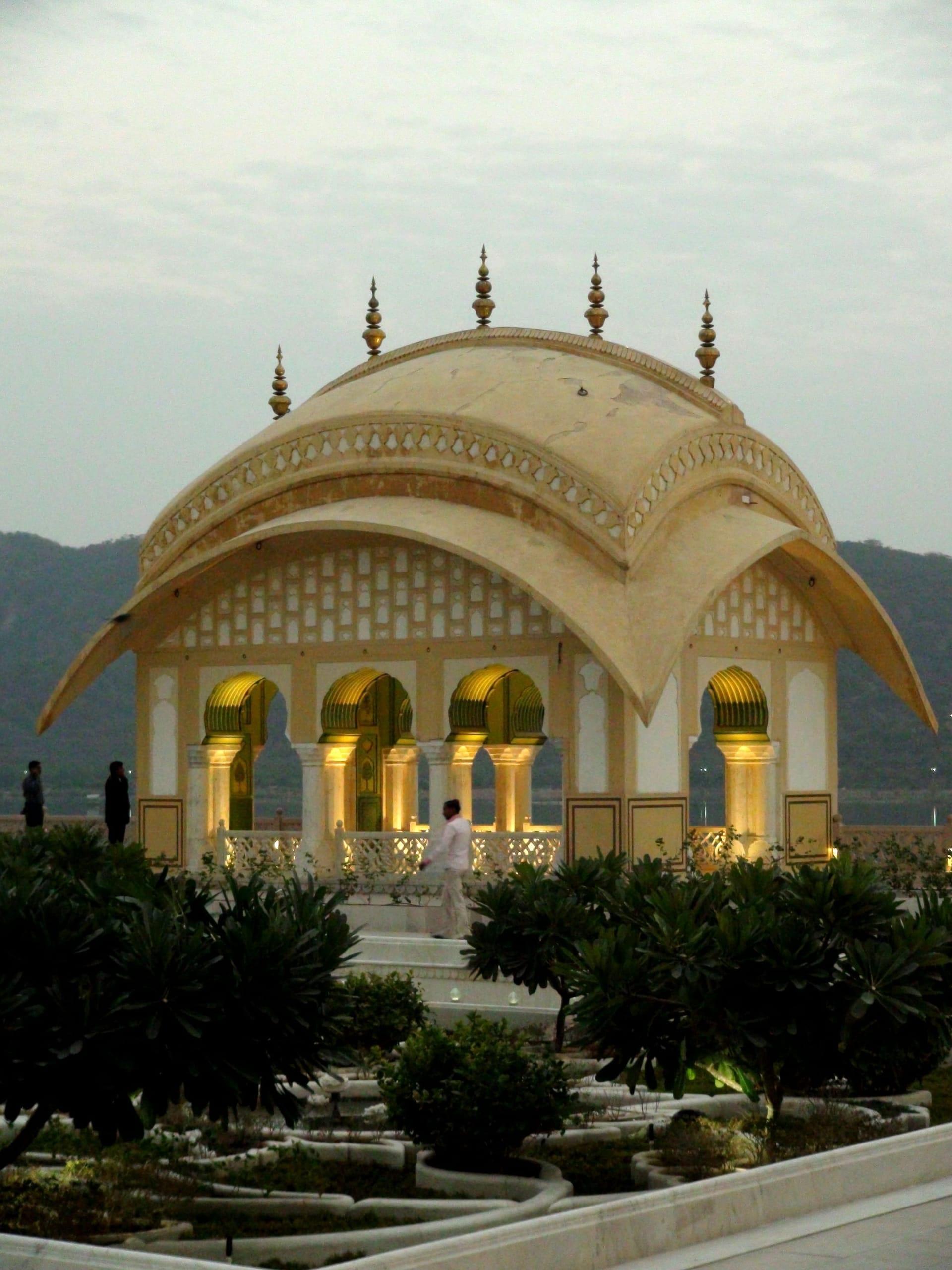
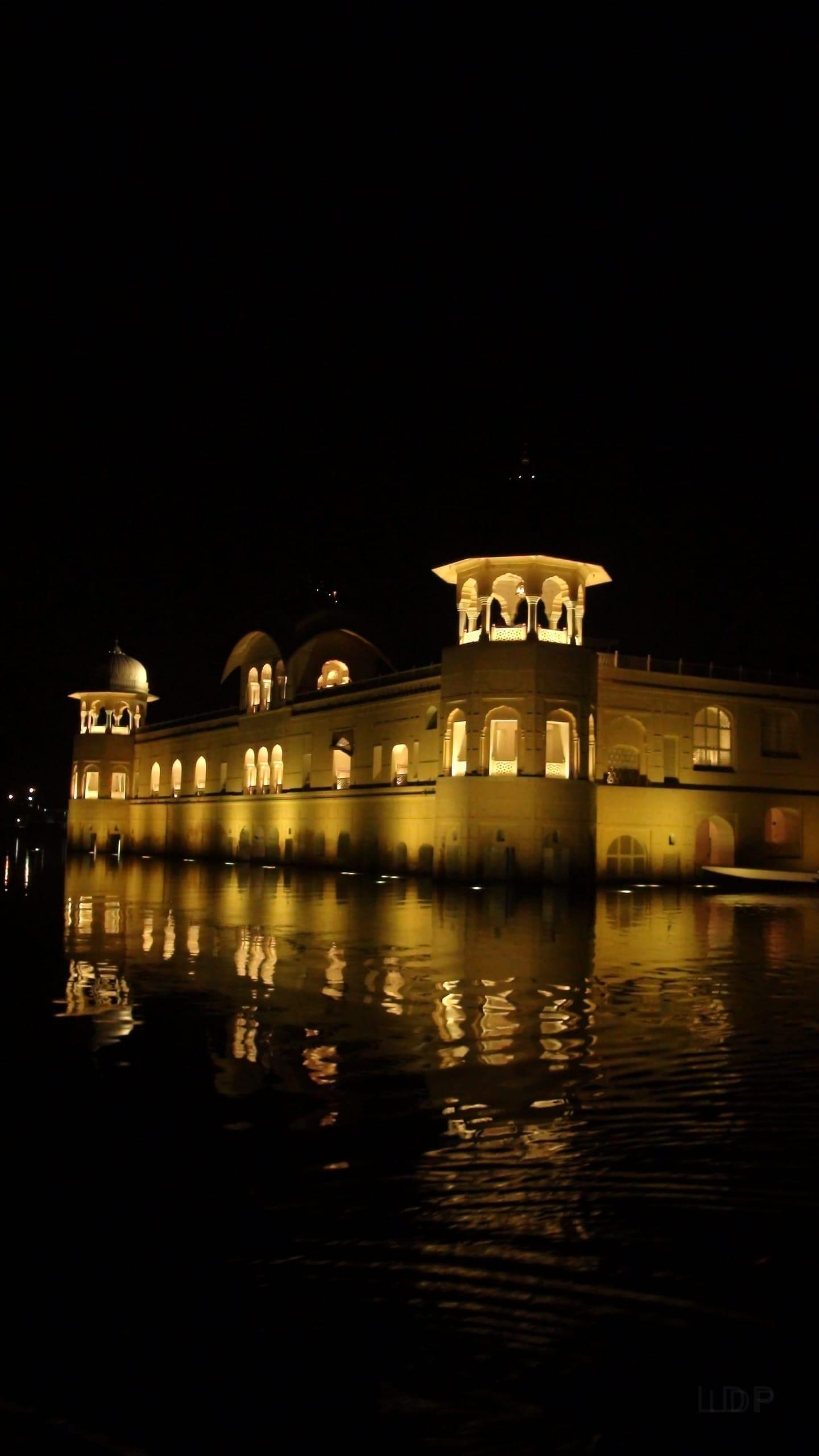
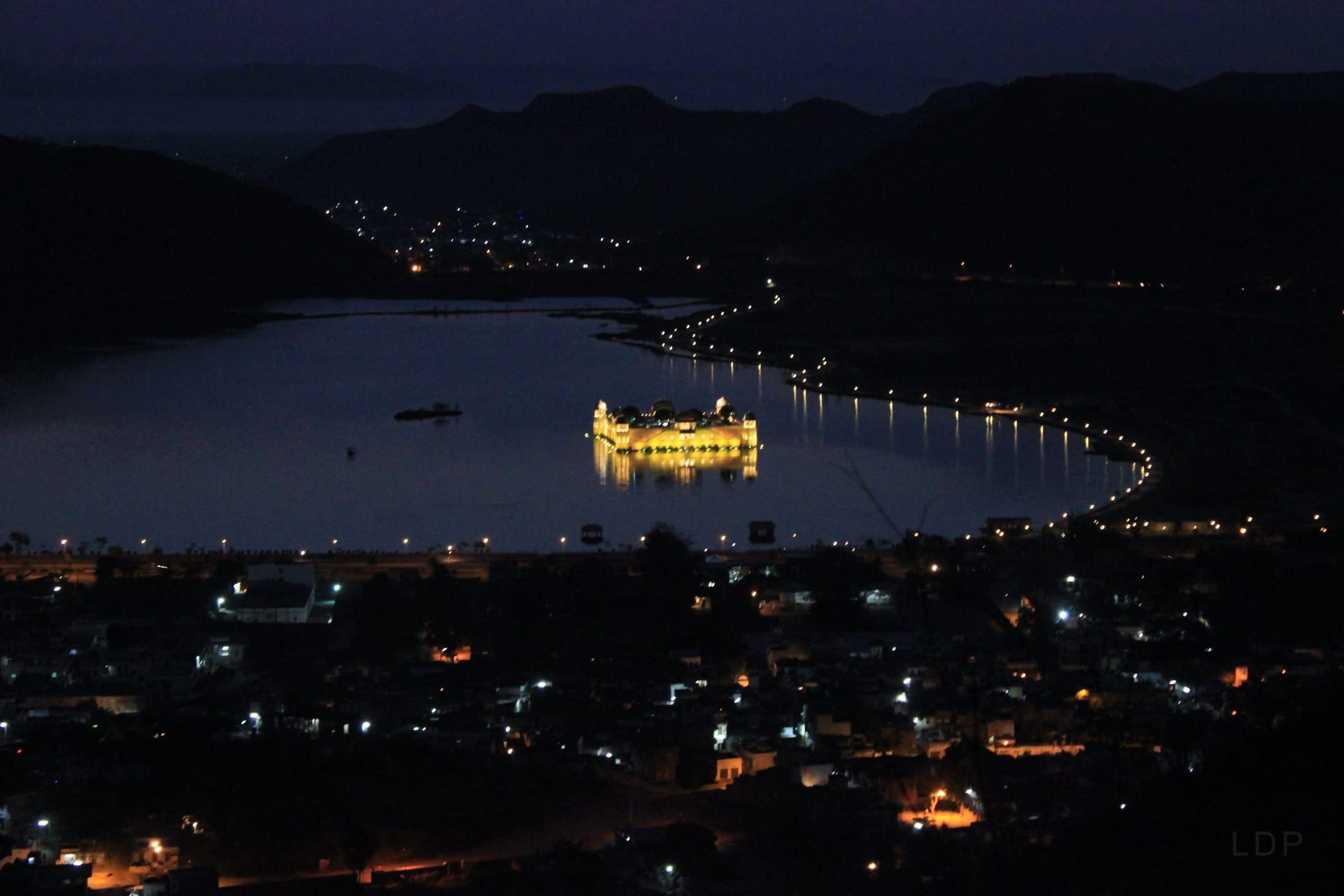
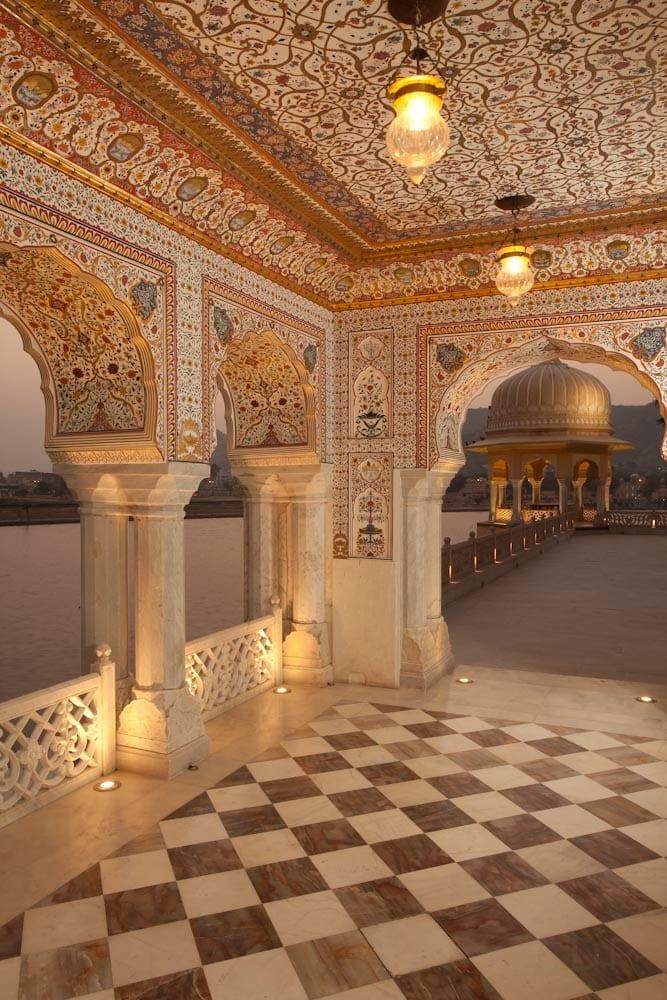
A palace that appears to float at the centre of Man Sagar Lake. Built in red sandstone in the eighteenth century, four of its five storeys sit submerged; only the top floor and its four corner chhatris stand above the water. LDP lit the monument from below the waterline. The luminaires sit on bespoke rigs that rise and fall with the lake, holding the wash true as the water level shifts through the seasons. The facades are washed ethereally, with no hardware in sight — the palace simply glows on the water, its reflection completing the form. A night-time icon, seen from the bank and never entered. The light makes the most of that distance: nothing competes with the silhouette, and the source is nowhere to be found.
JW Marriott
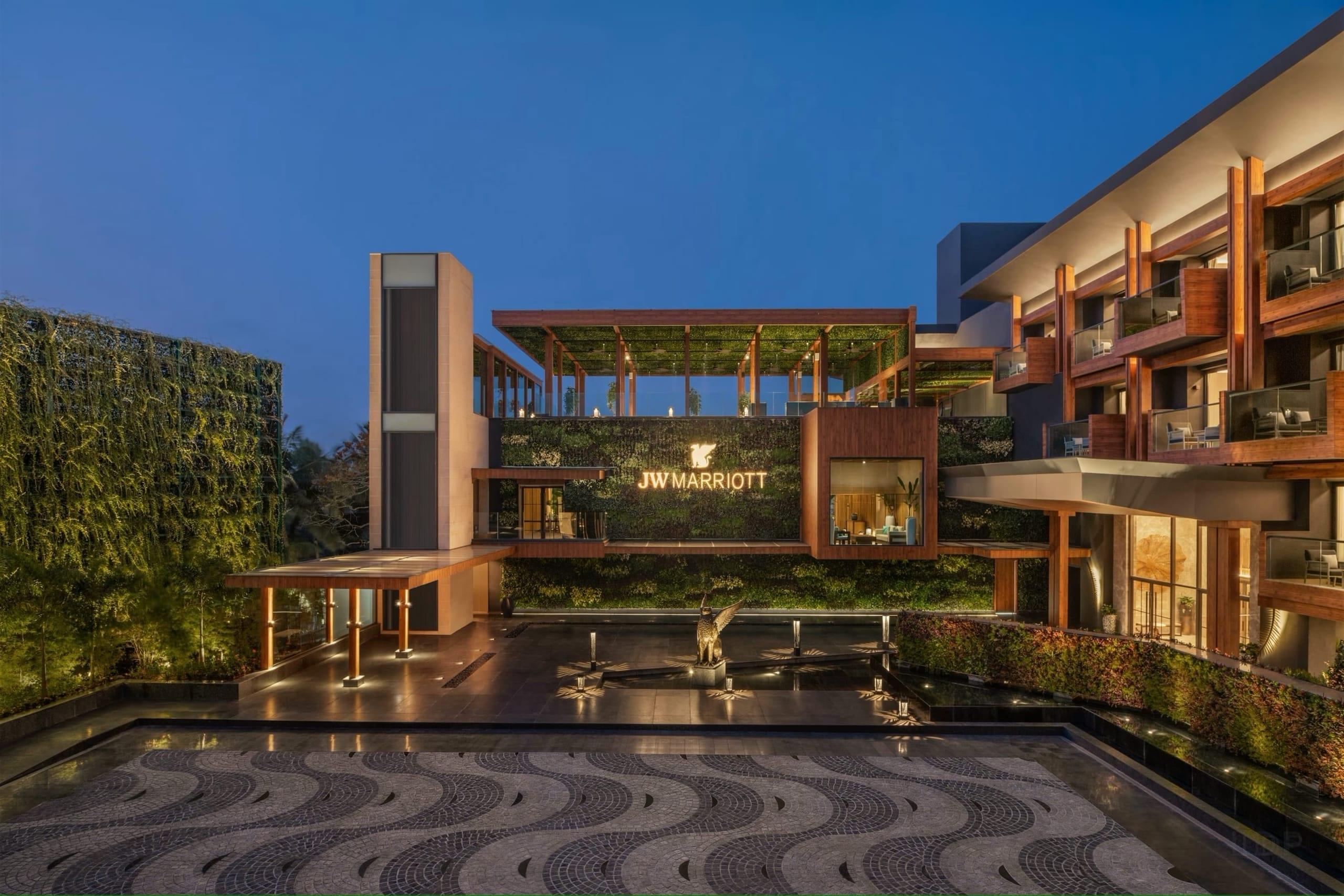
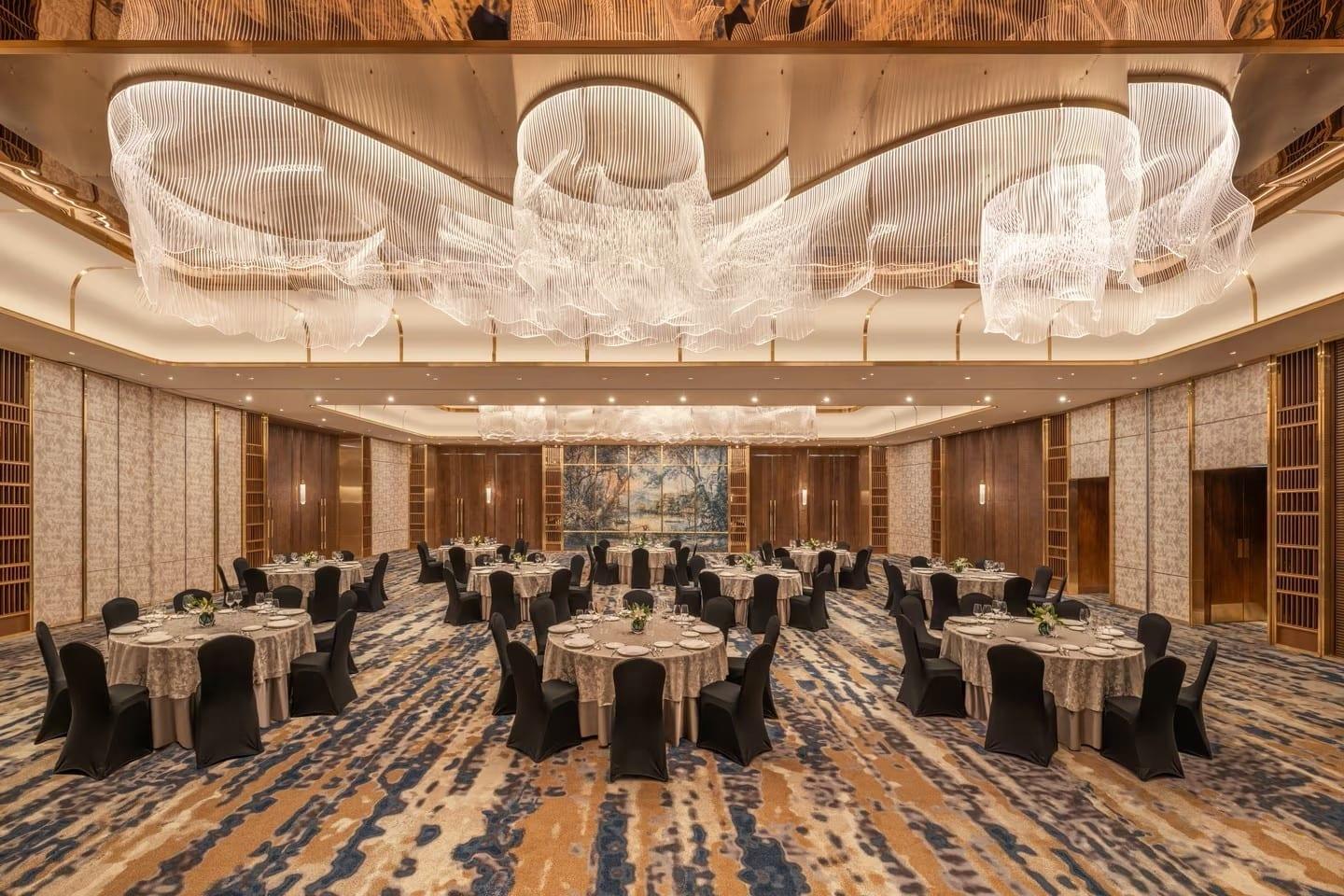
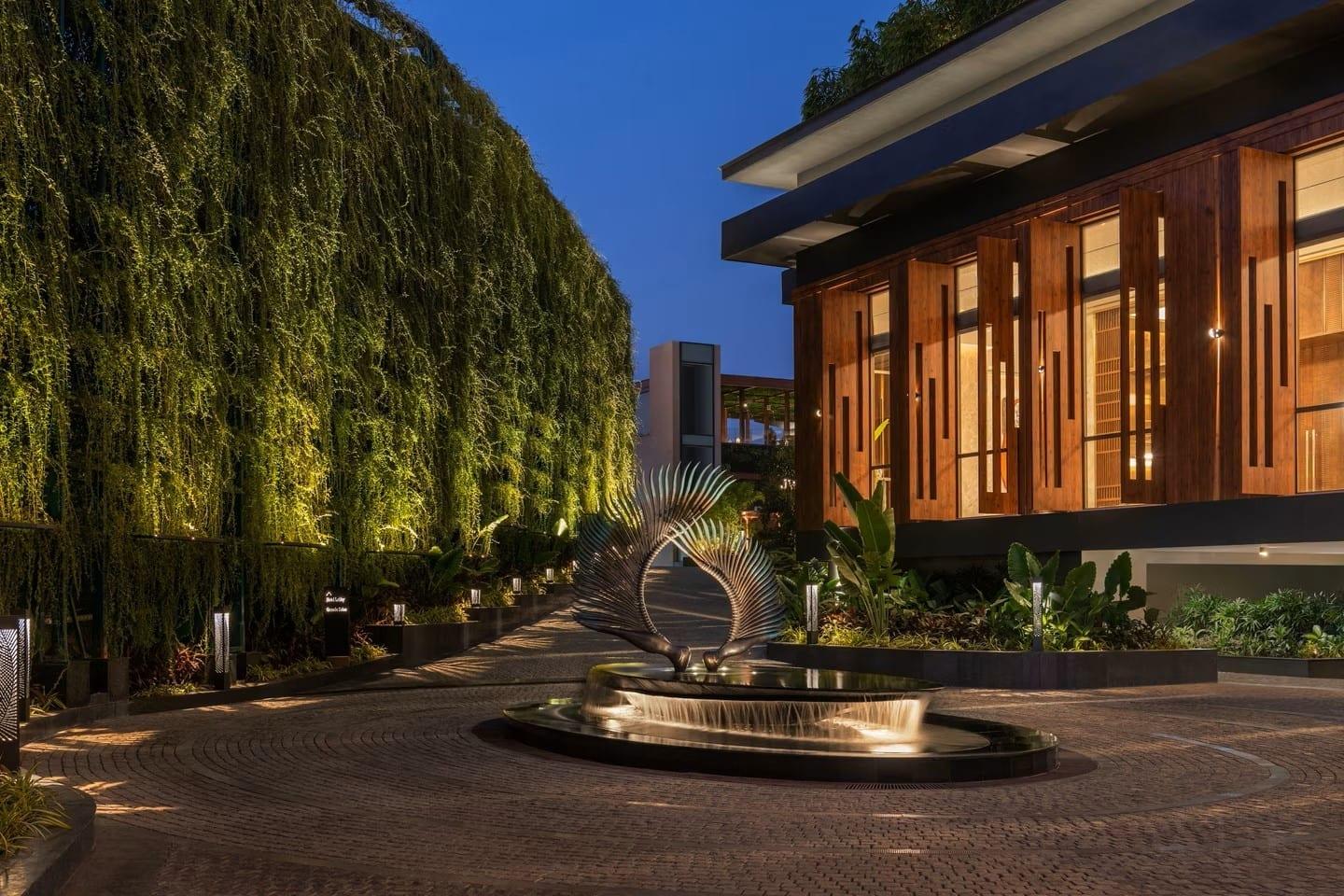
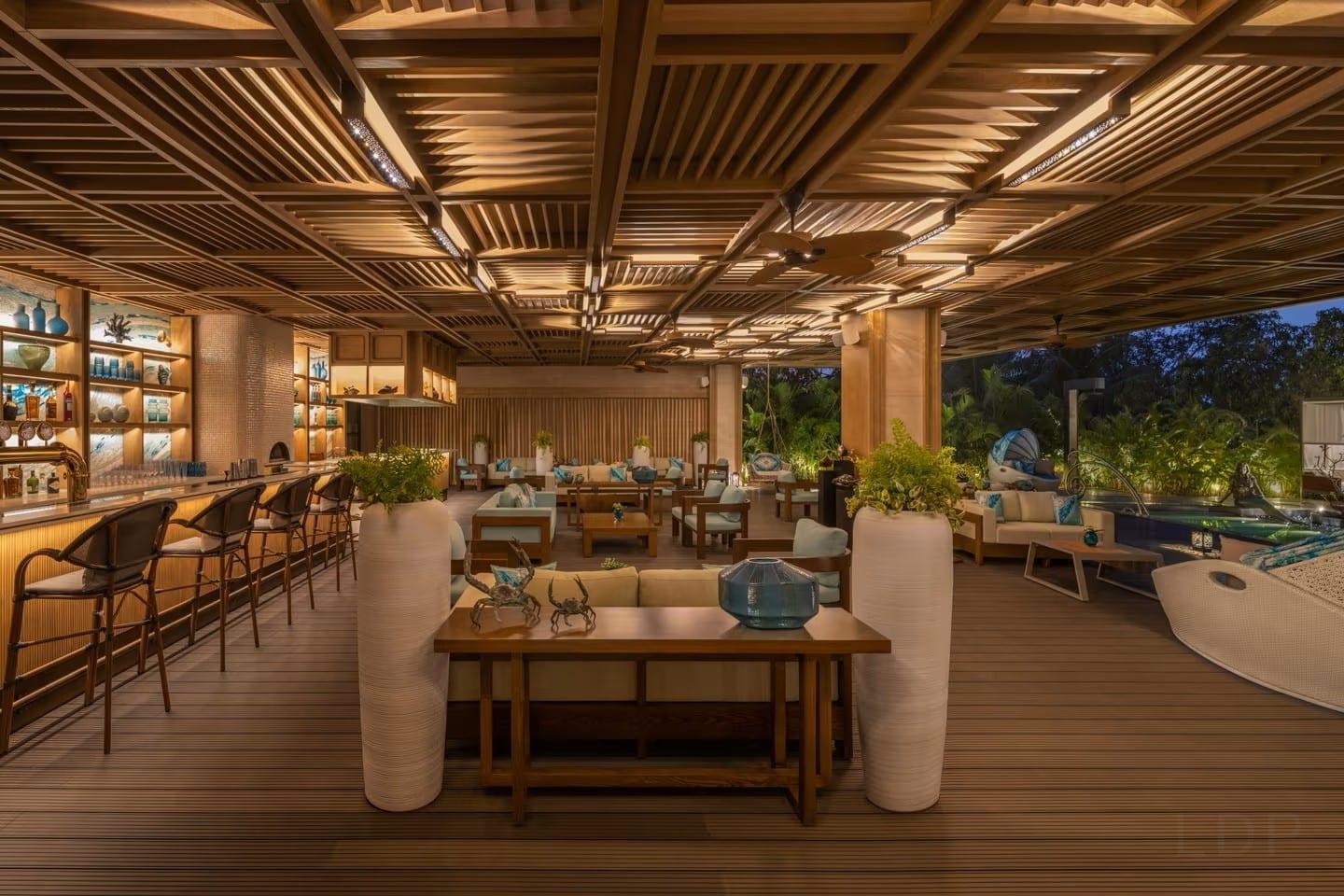
Hospitality lighting usually runs to a script. Brands arrive with their own vocabulary and their own expectations, and the work is to meet them. It is rare to transcend that and make something guests remember. The pool at the JW Marriott Goa was one of those moments. Concealed fibre-optic lighting lays a sea of sparkle across the water, then lets it fall away toward the infinity edge. The far edge holds a pocket of privacy and quiet, even as the rest of the deck stays busy — the light doing the dividing, with no barrier in sight.
Clarke Quay
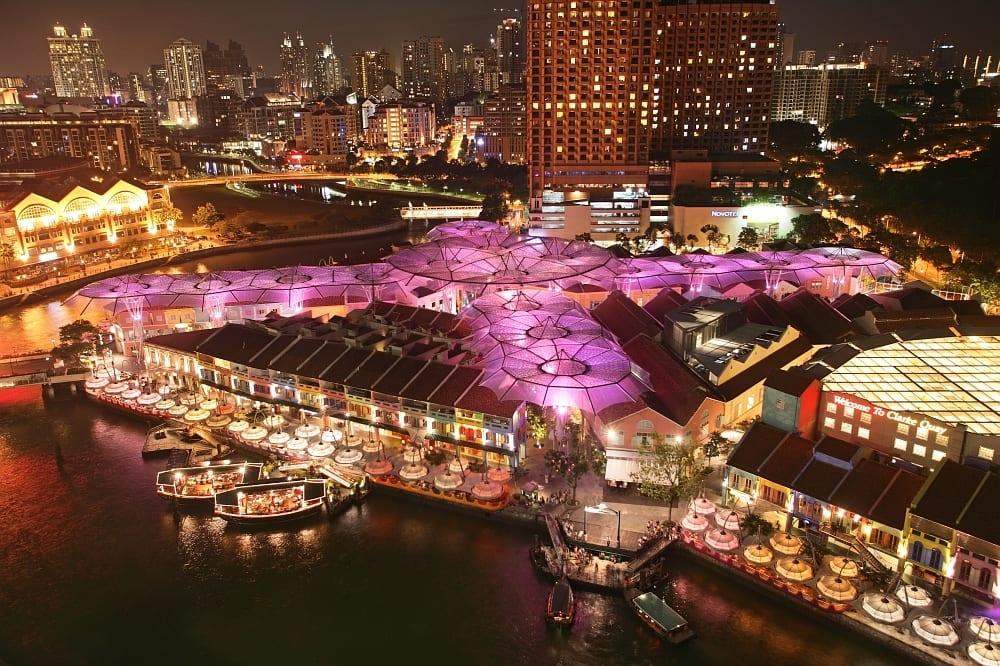
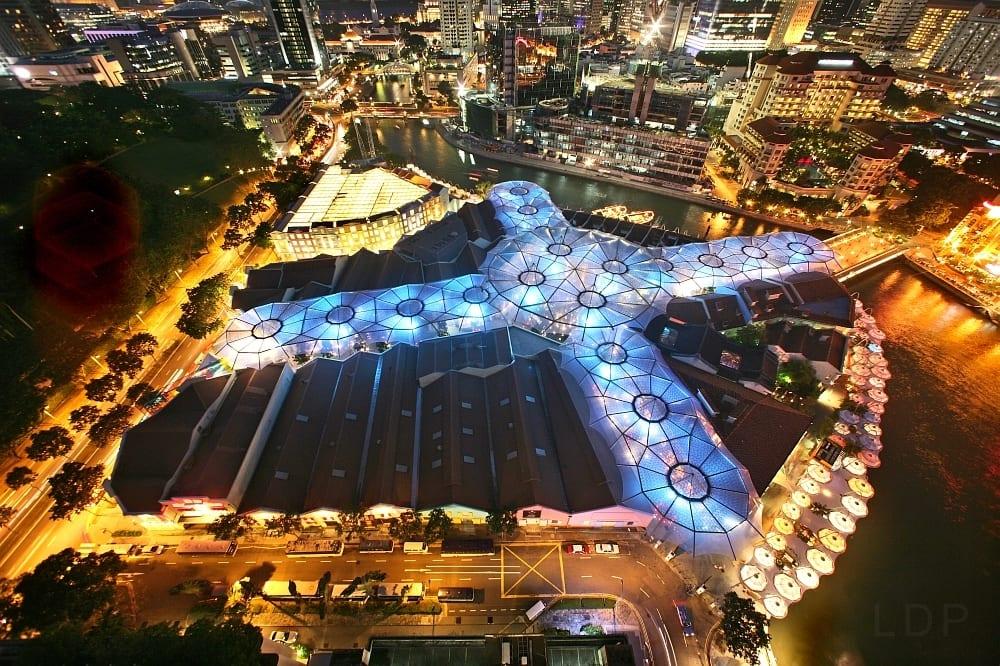
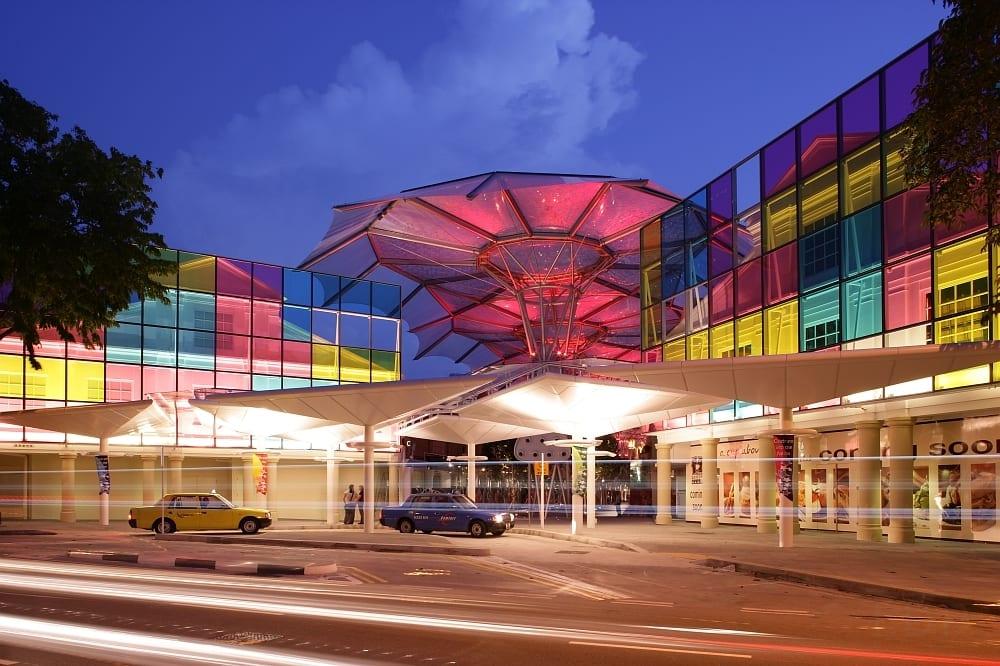
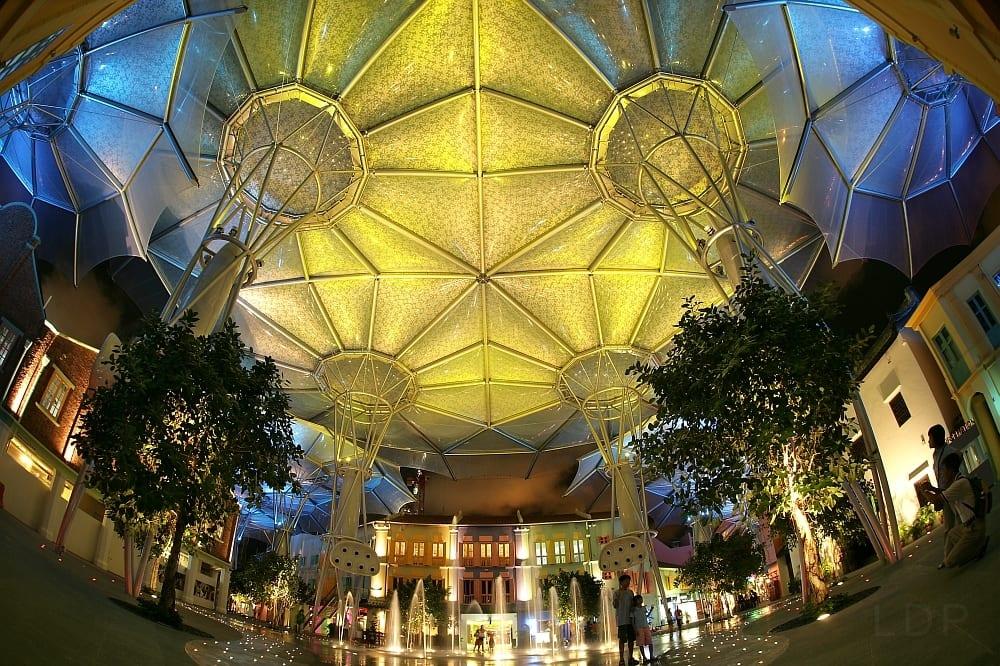
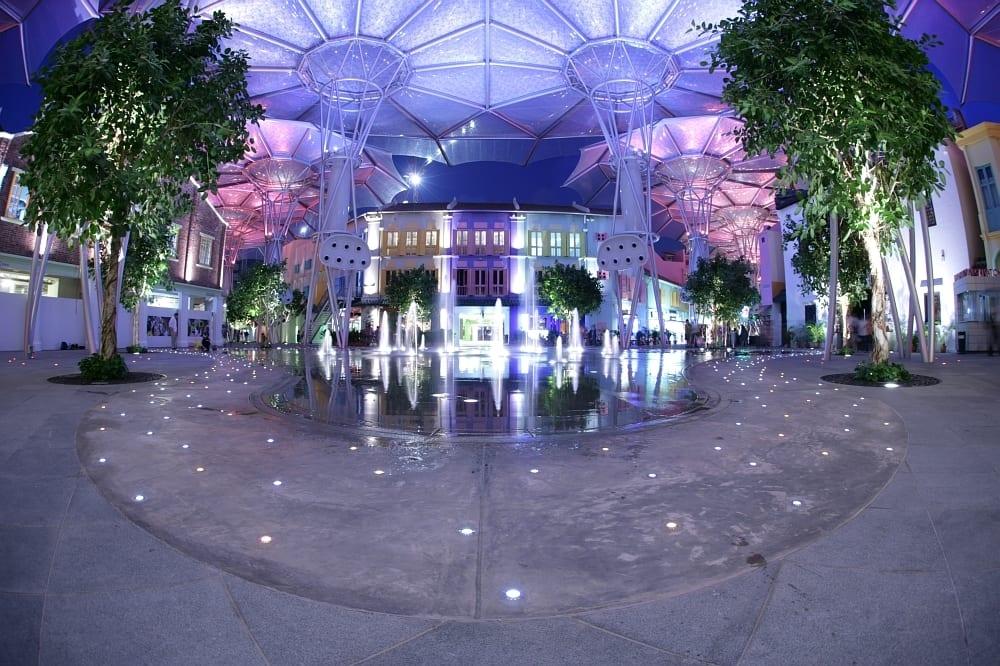
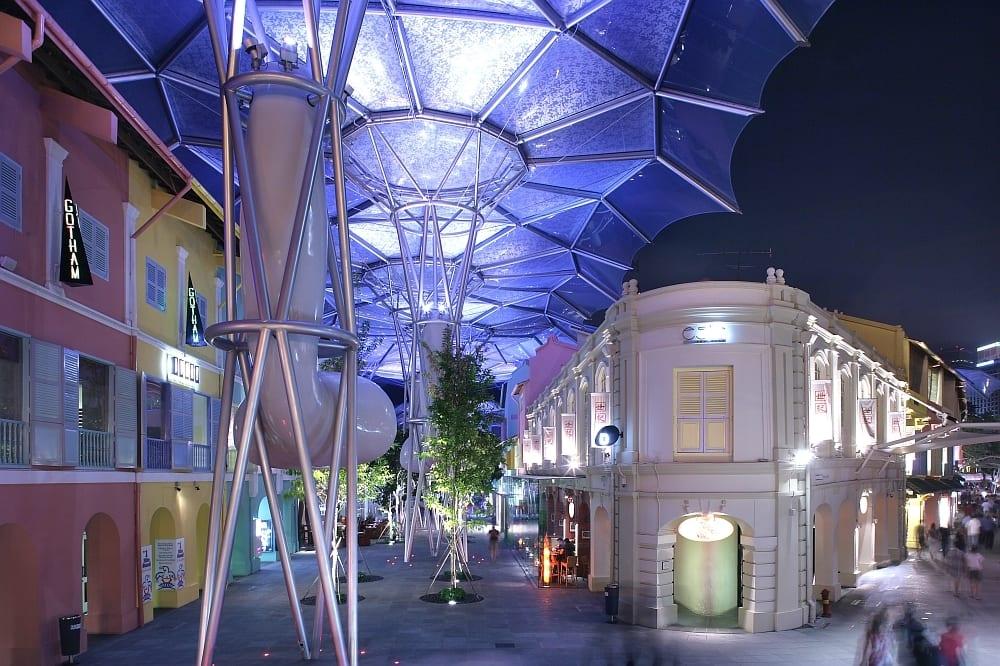
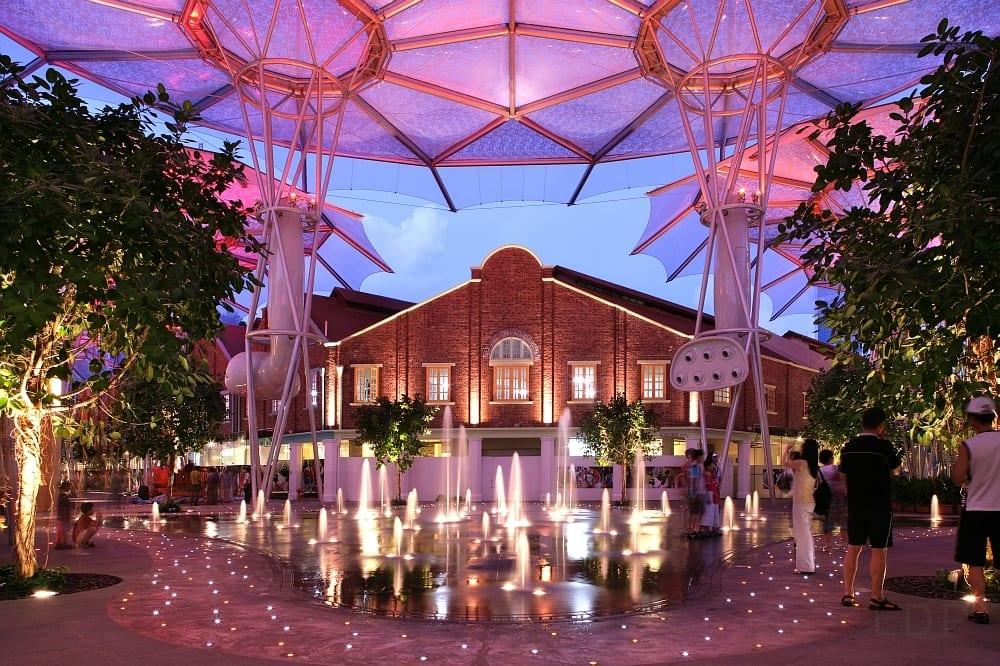
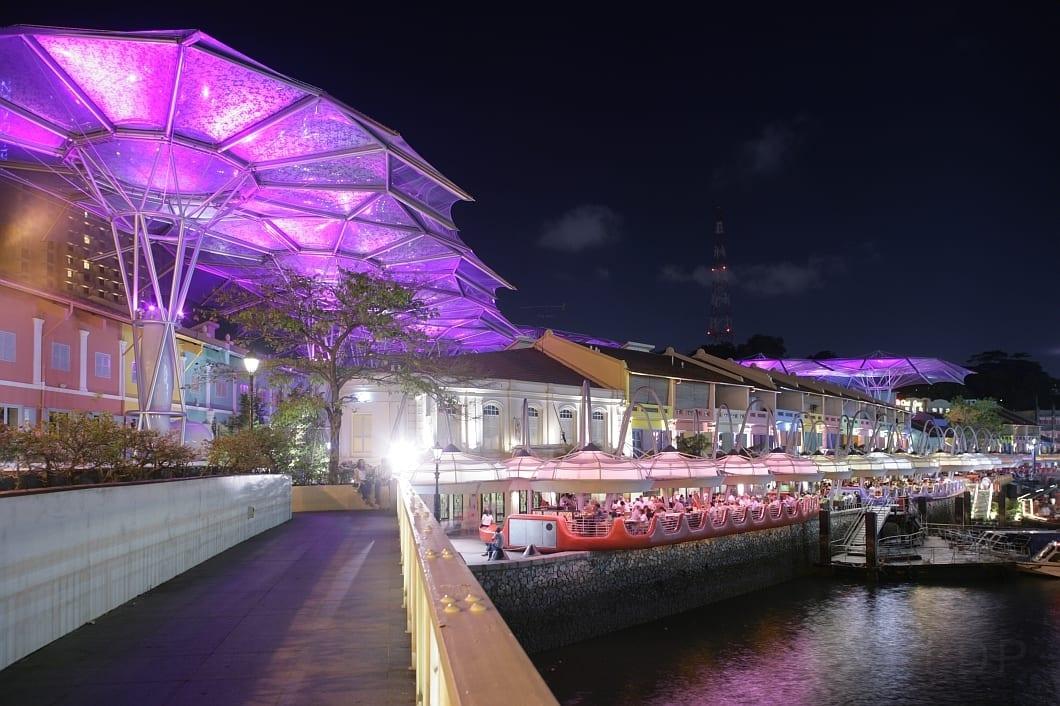
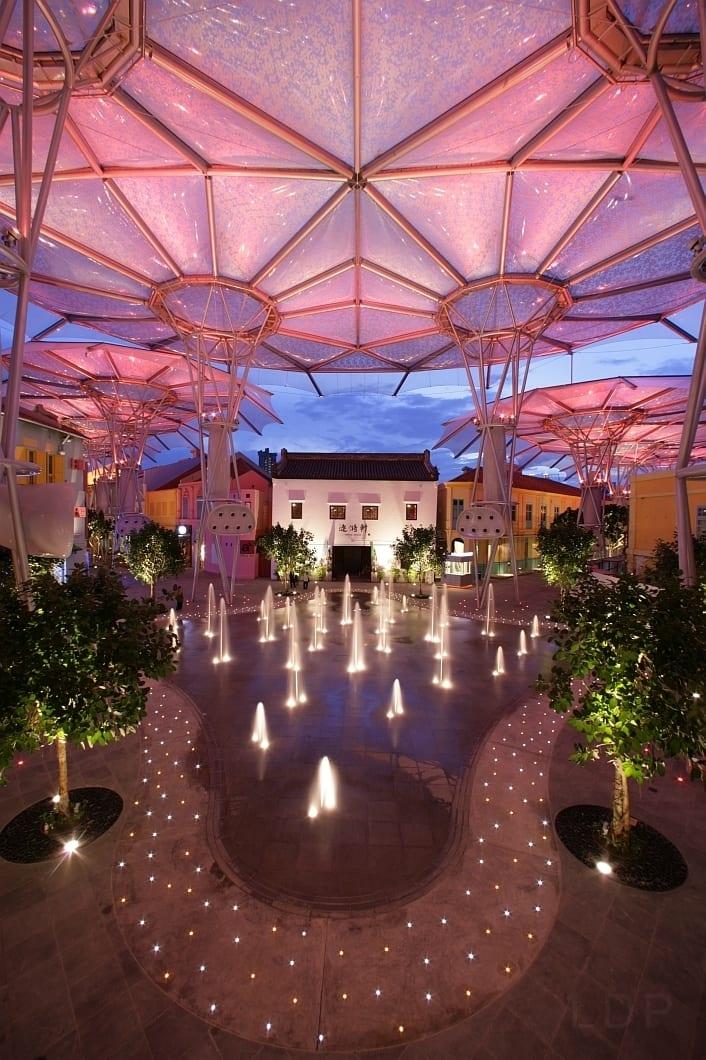
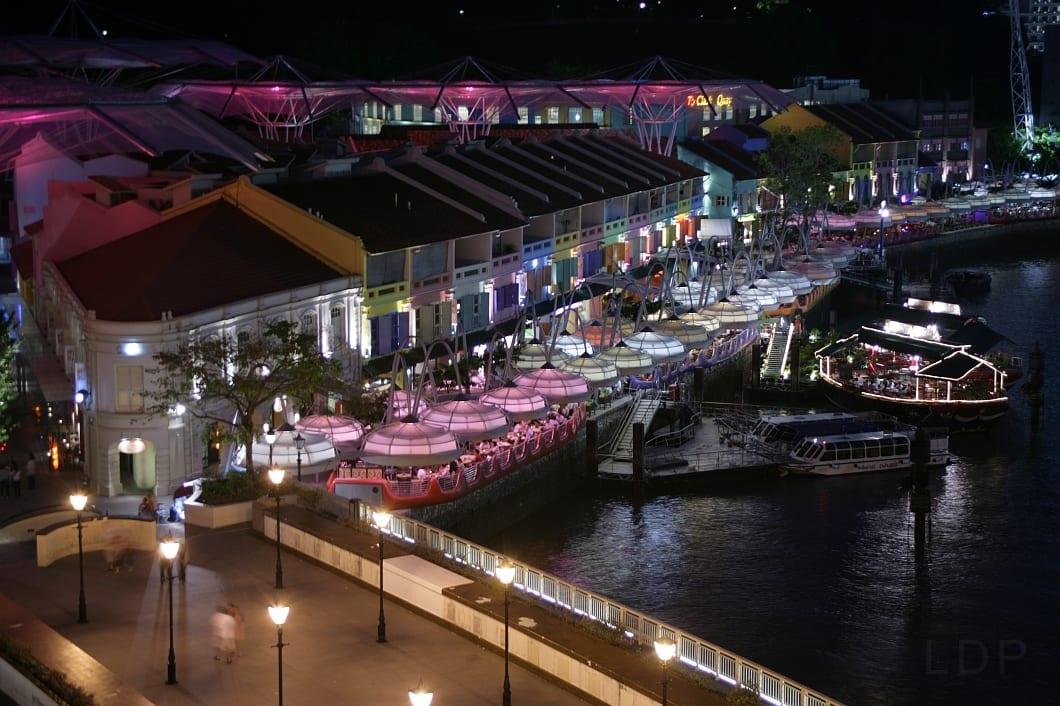
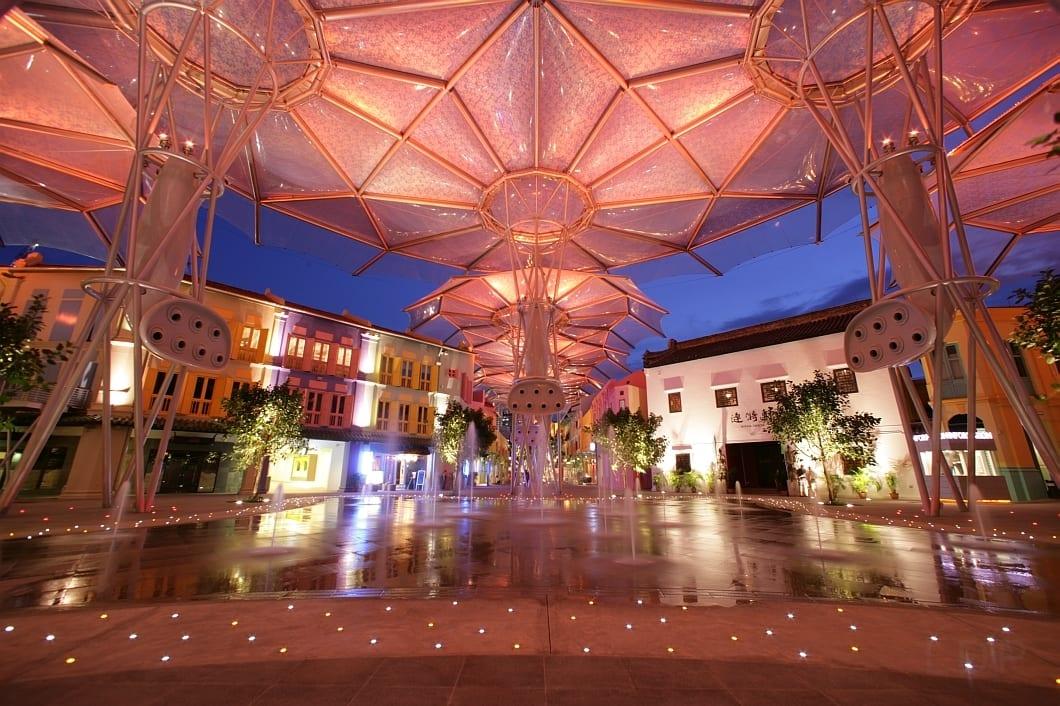
Clarke Quay was being remade as a night destination, part of a wider revitalisation of Singapore's centre. Will Alsop's tensile enclosures gave the precinct climate control without touching the heritage buildings they sheltered — and LDP found the lighting inside the engineering. The foil print developed for the ETFE membranes works twice: by day it shades against the tropical sun; by night the same surface turns reflector, washing the circulation below in indirect light, no luminaires imposed on the old façades. The move was to let a small proportion of that light leak through the membrane rather than contain it. That leak became the signature — the glow that reads Clarke Quay as a place after dark, and the model other revitalisations have followed since.
Taj at The Trees
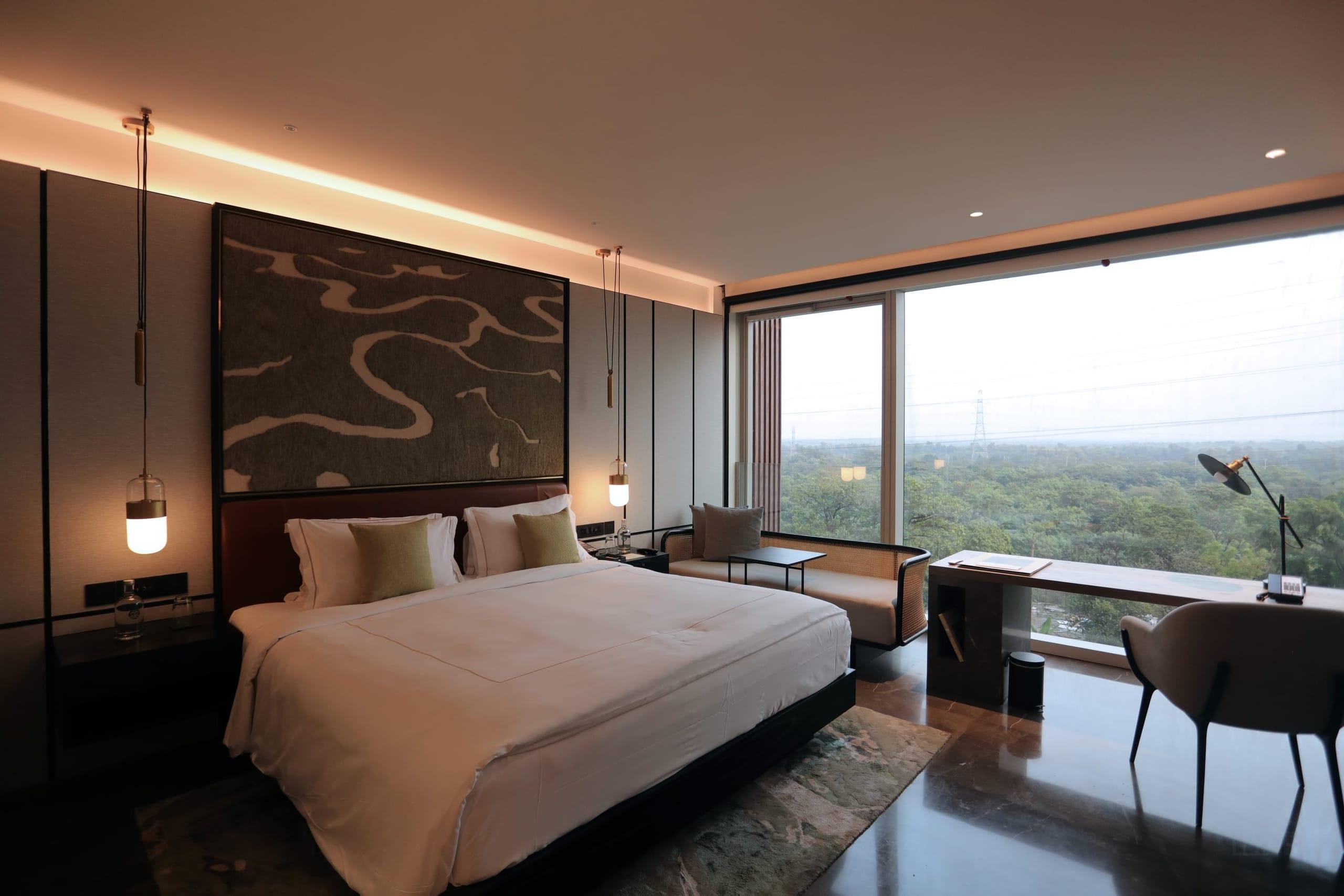
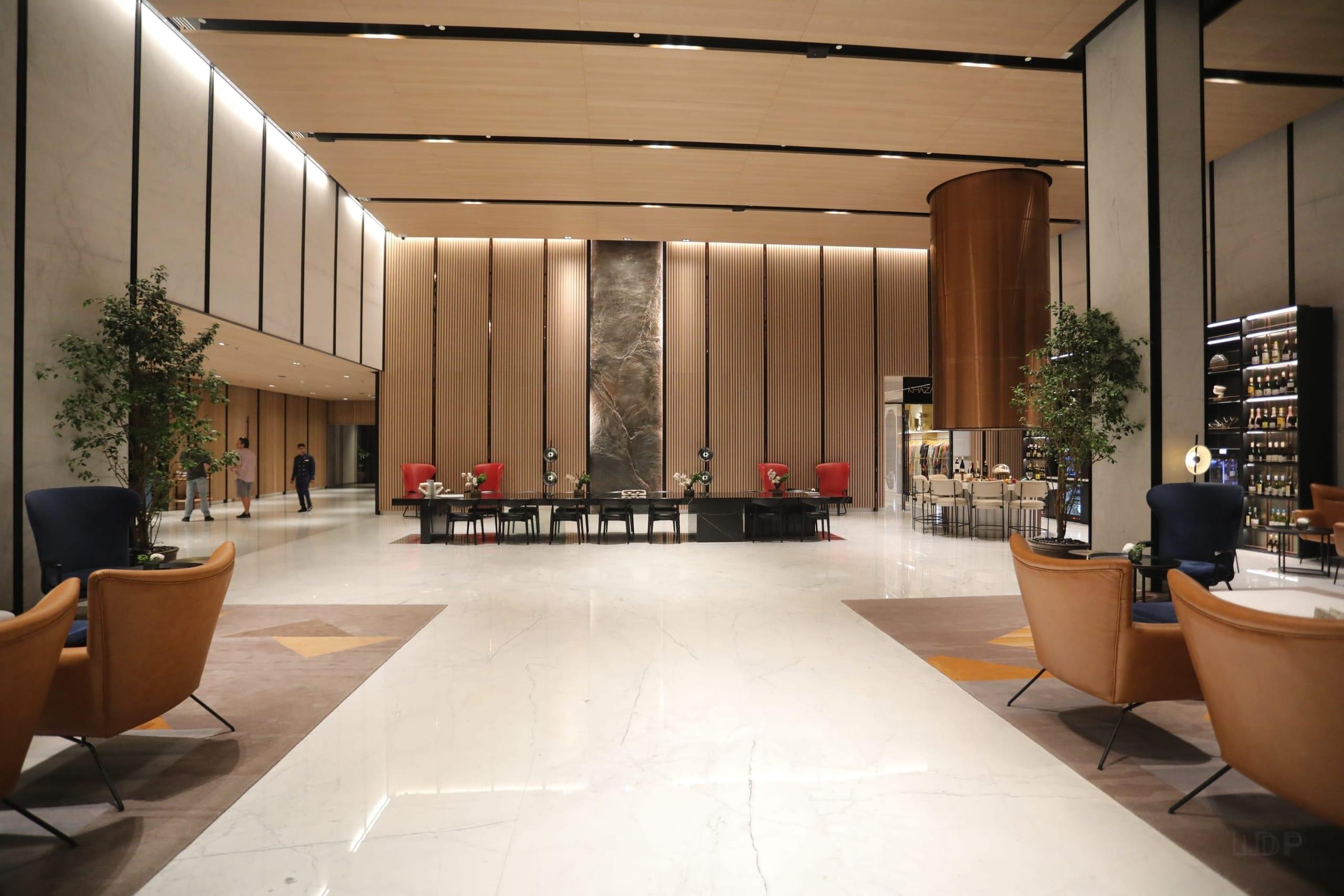
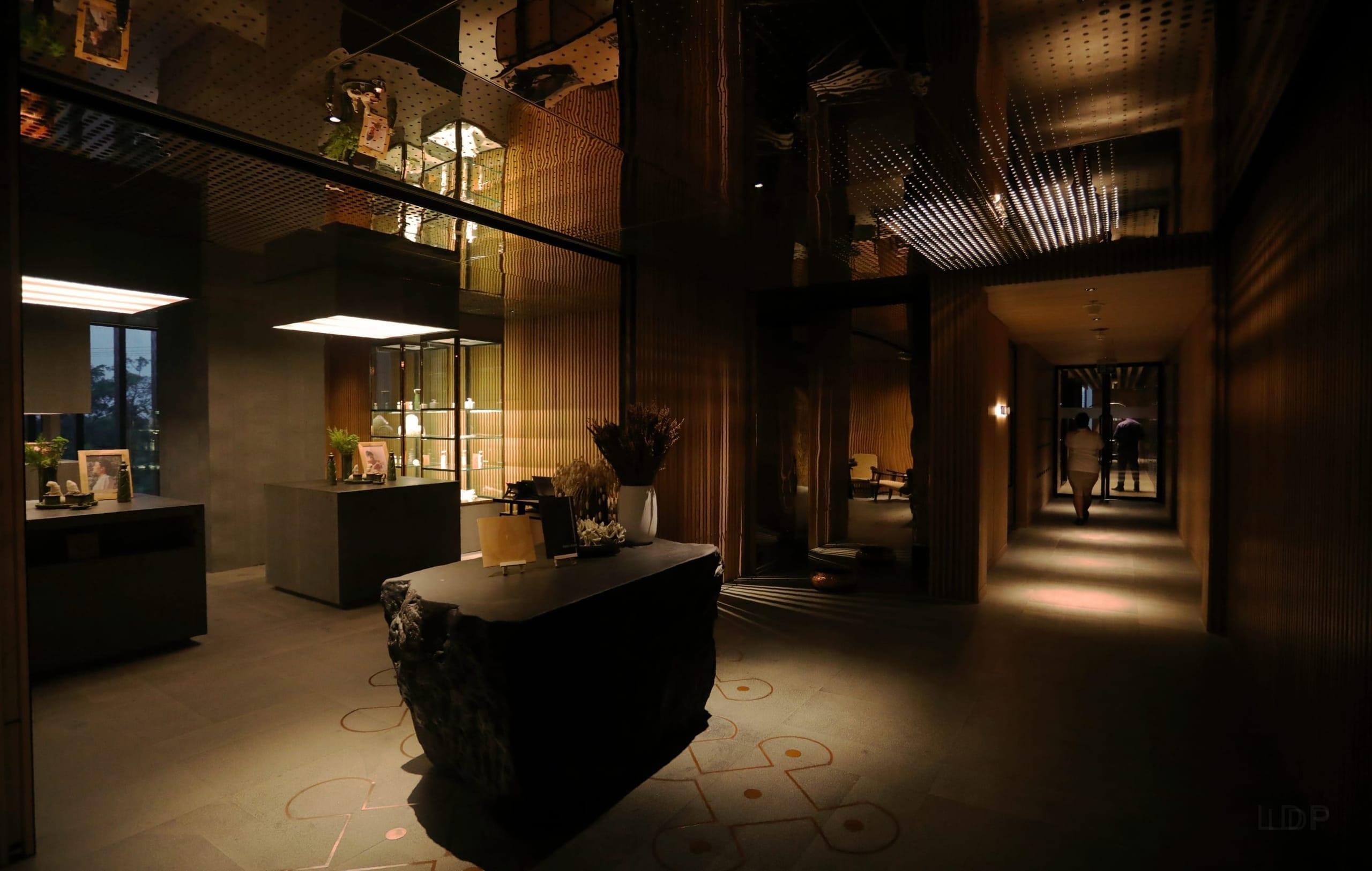
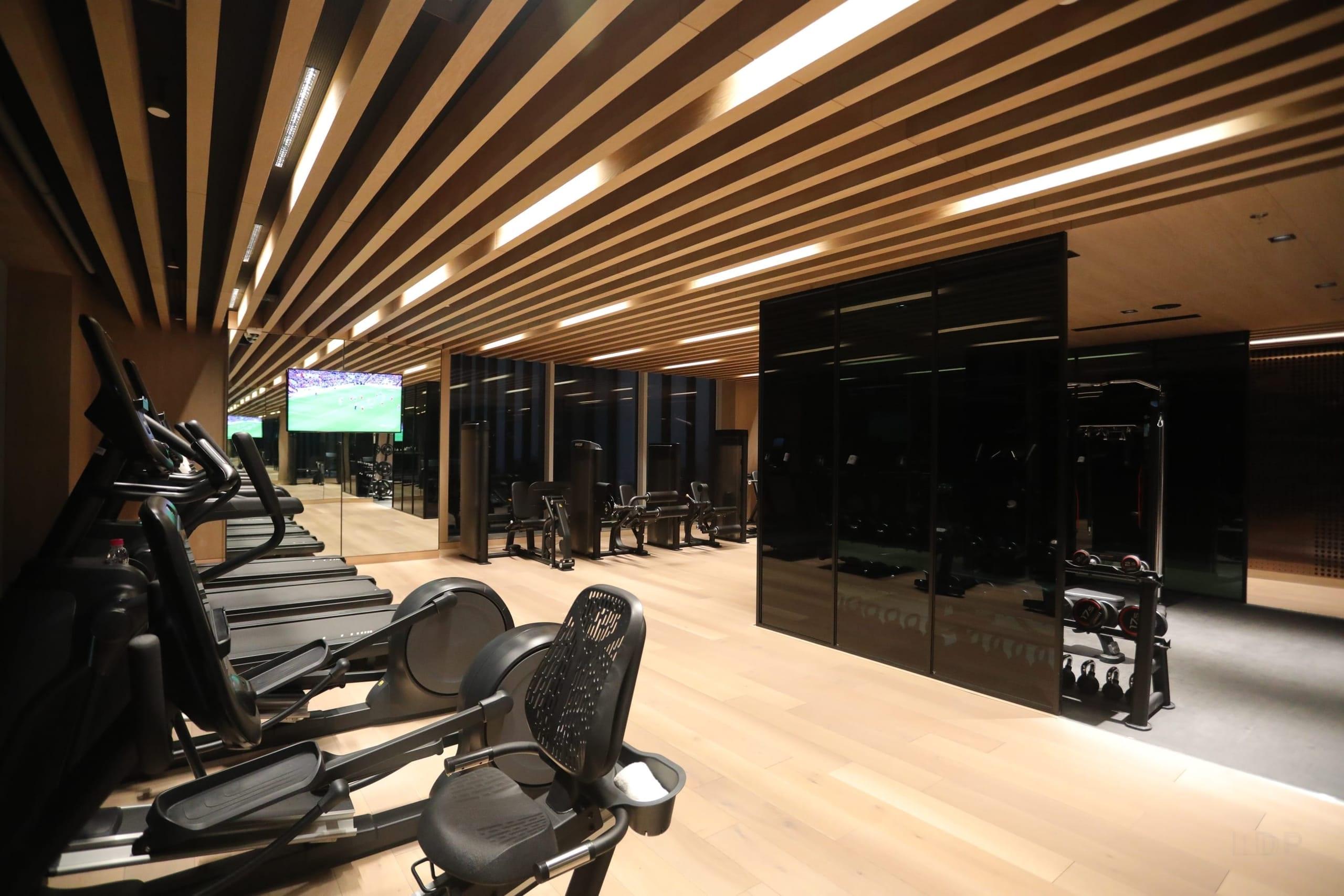
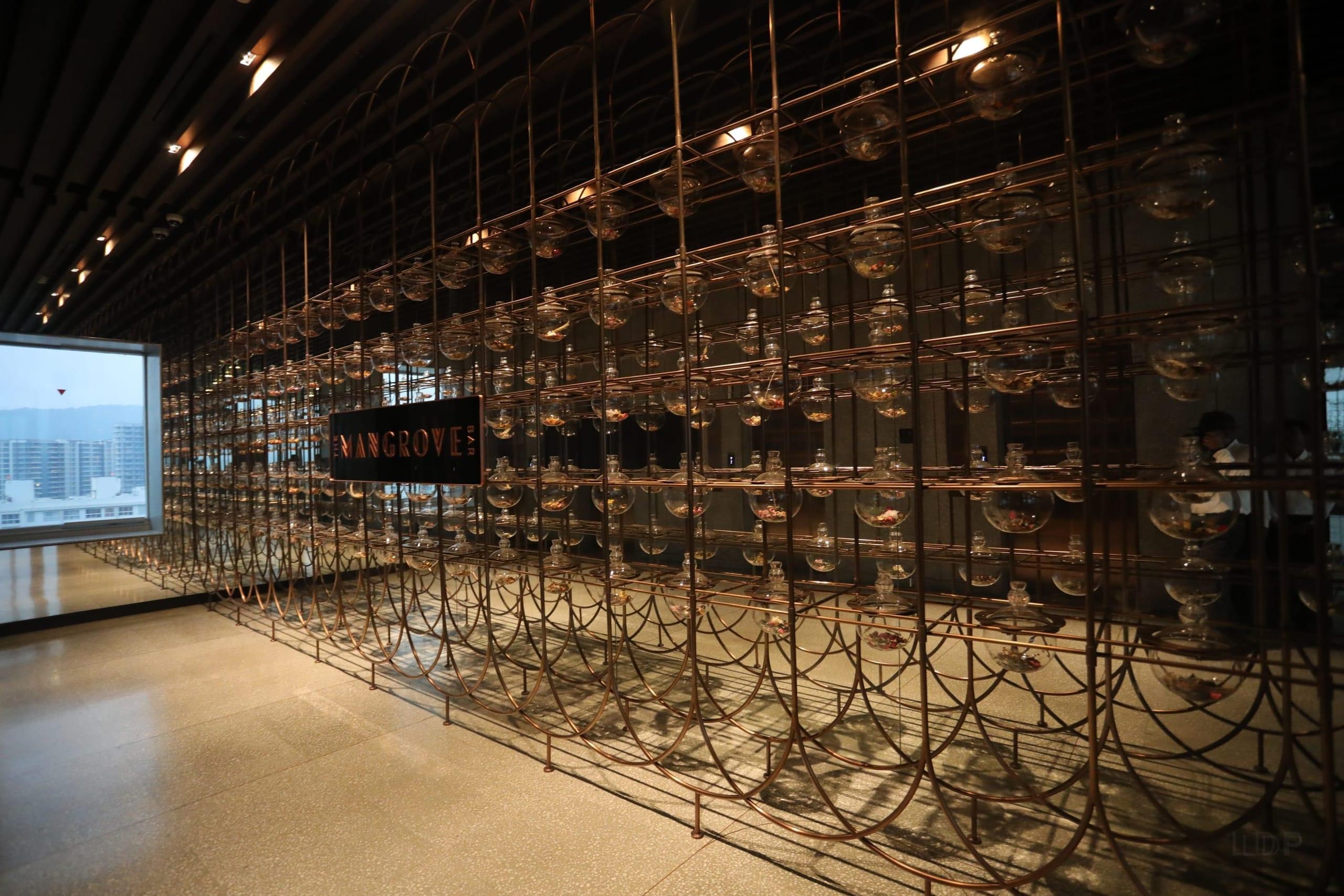
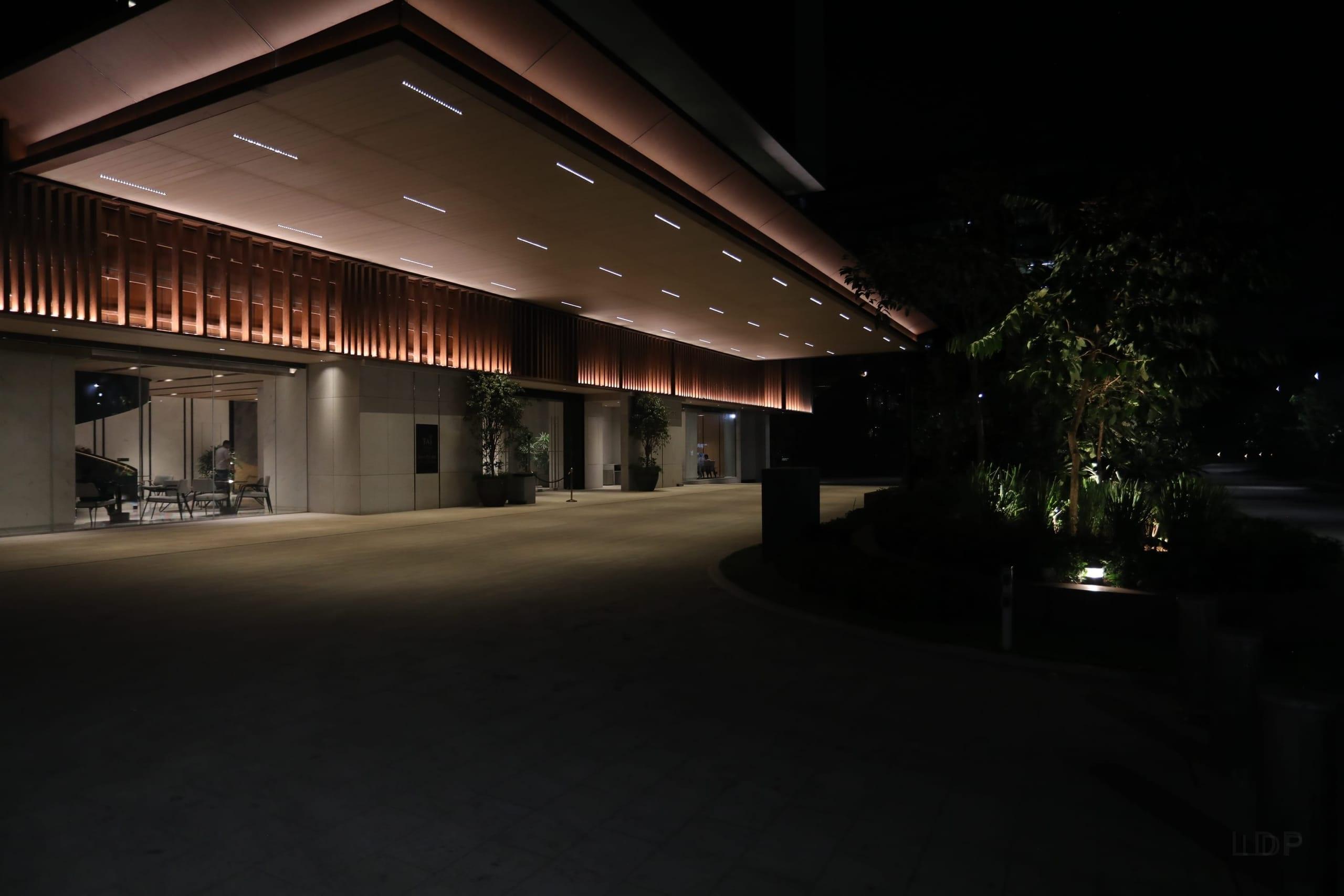
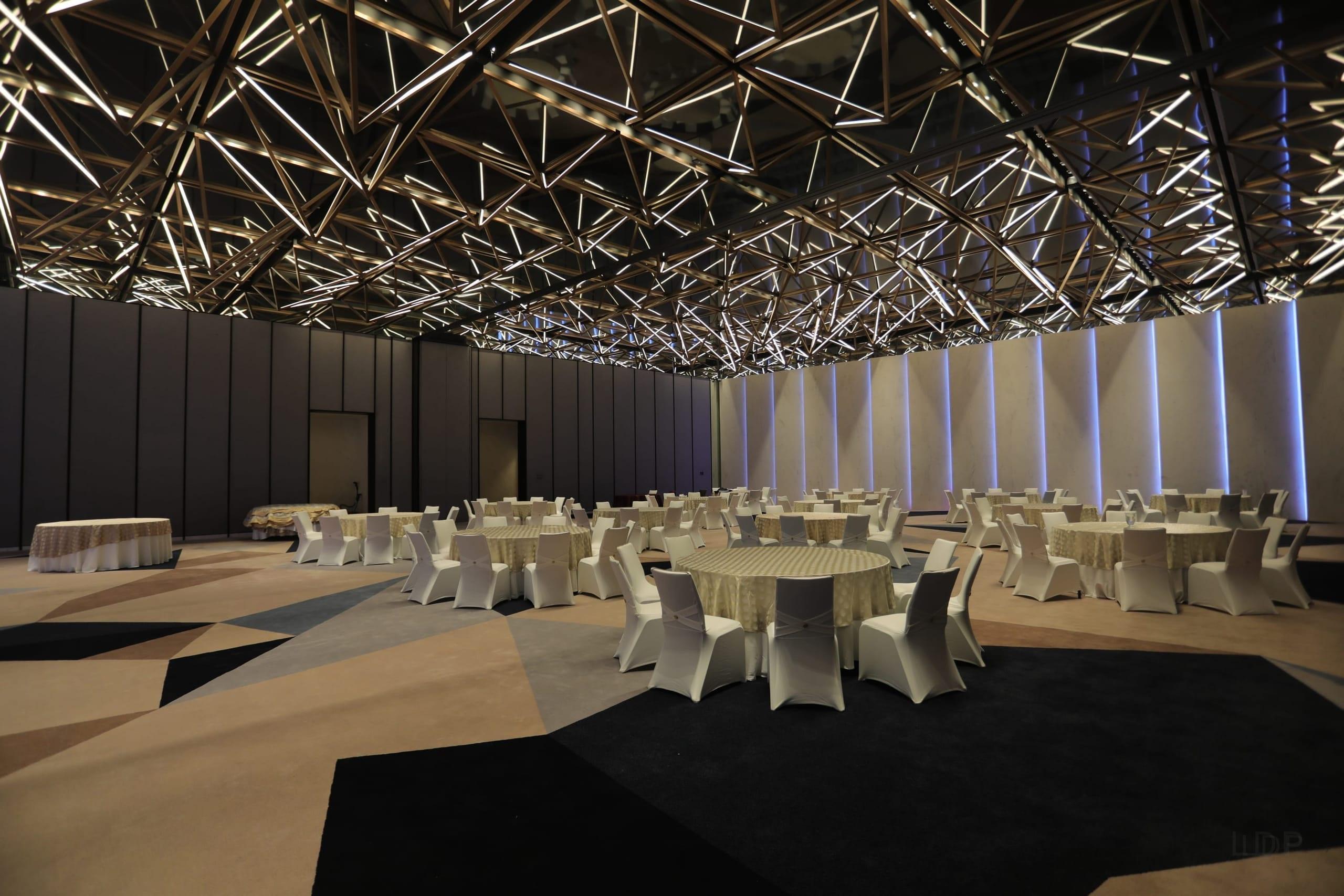
Taj at the Trees sits within a mixed-use development, which set the first discipline: light that stays where it belongs, with no glare spilling toward the residents nearby. That restraint became the character of the place rather than a constraint upon it. The rooms overlooking the mangroves are a study in it — light pitched low and kept inward, so the wetland beyond the glass stays the thing you look at, and the room only frames the looking. The spa occupies an exclusive floor, and there the restraint turns to ambience: light held so quiet and so even that the room reads as timeless, belonging to no particular hour. Throughout, the lighting does the one thing the setting asks — it withdraws, so the trees, the water, and the calm can come forward.