LDP — Lighting Design Partnership

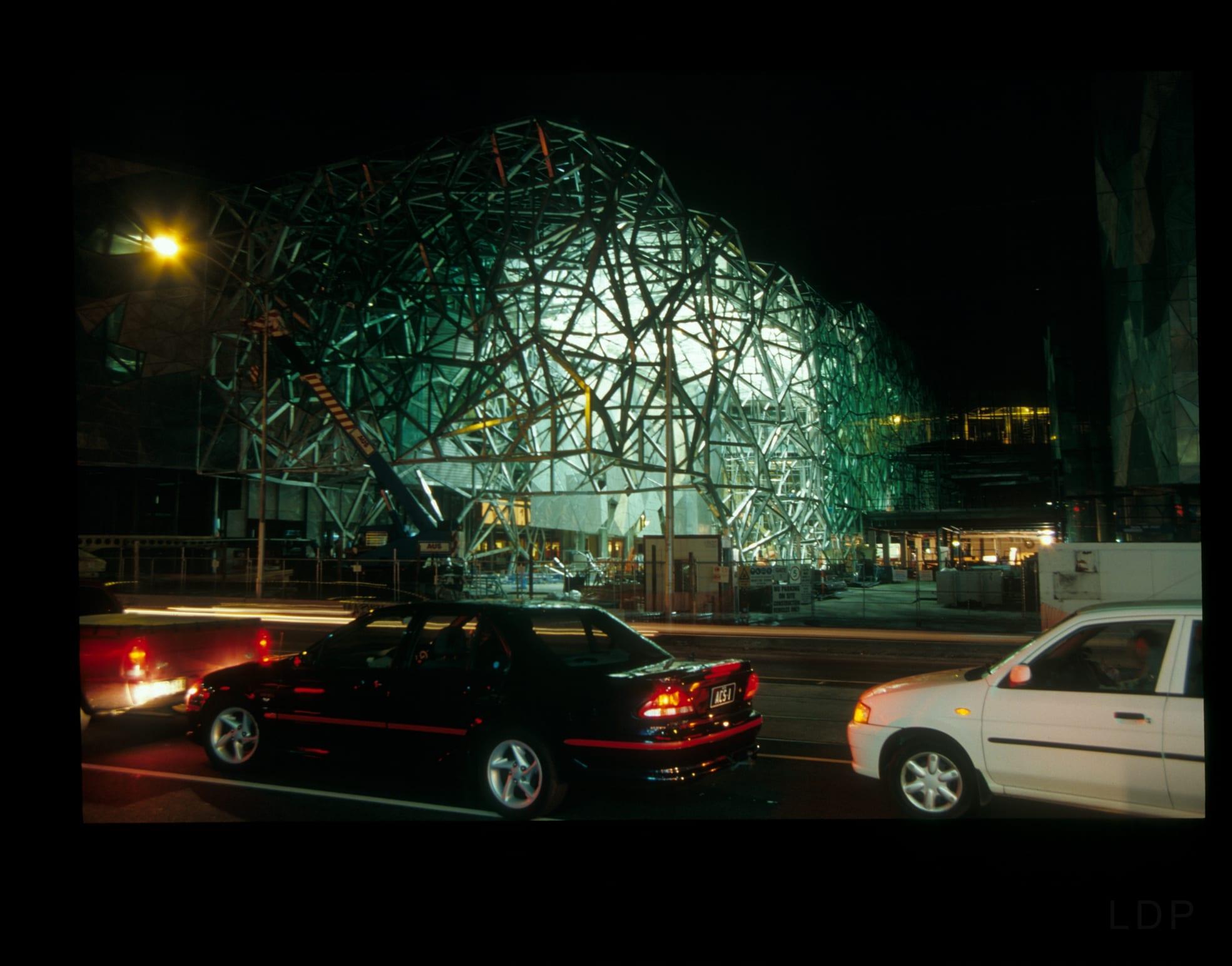
Federation Square

LAB Architecture Studio · ArchitectBates Smart · Architect
Melbourne, Australia · 1996–2002
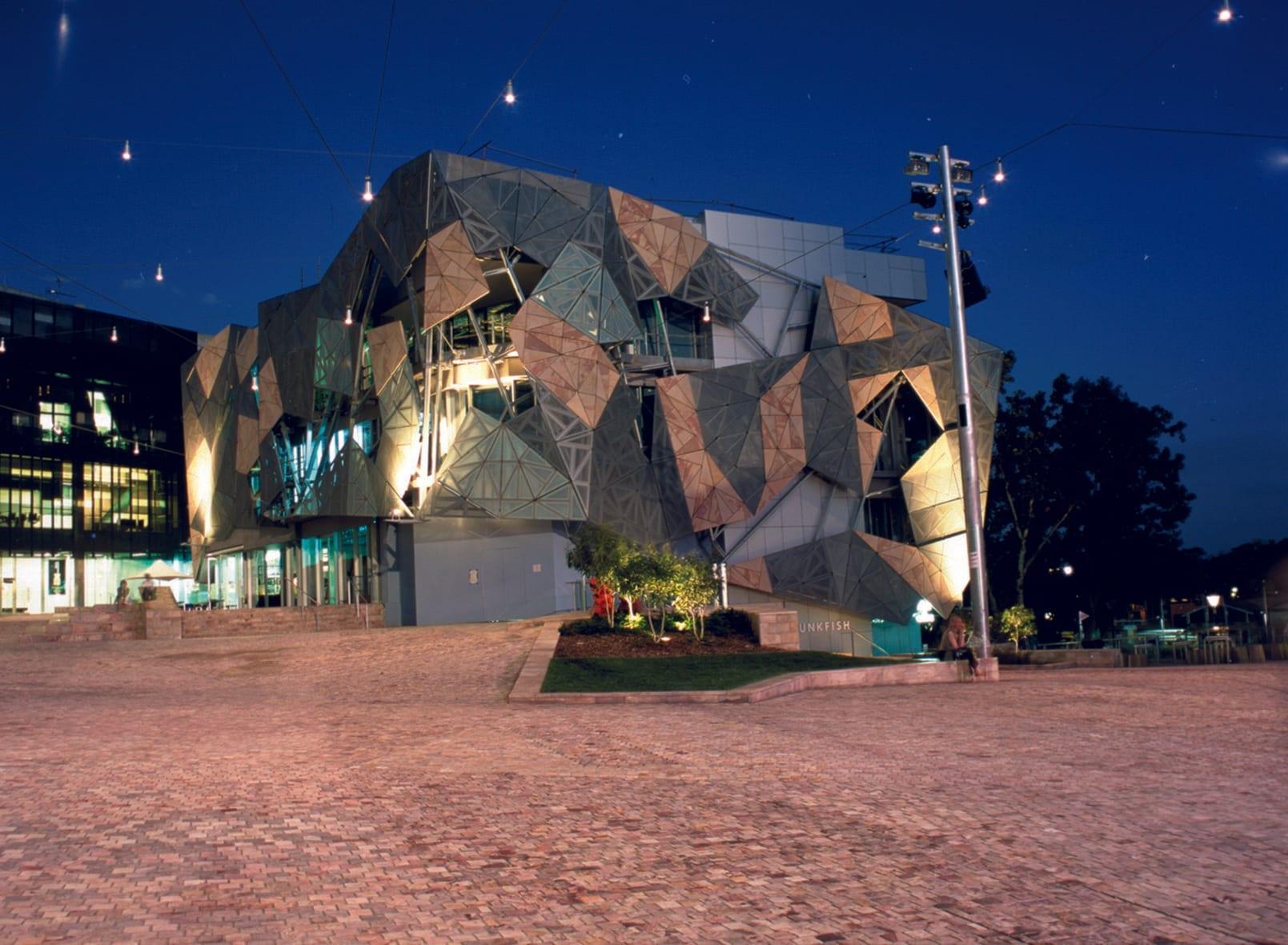
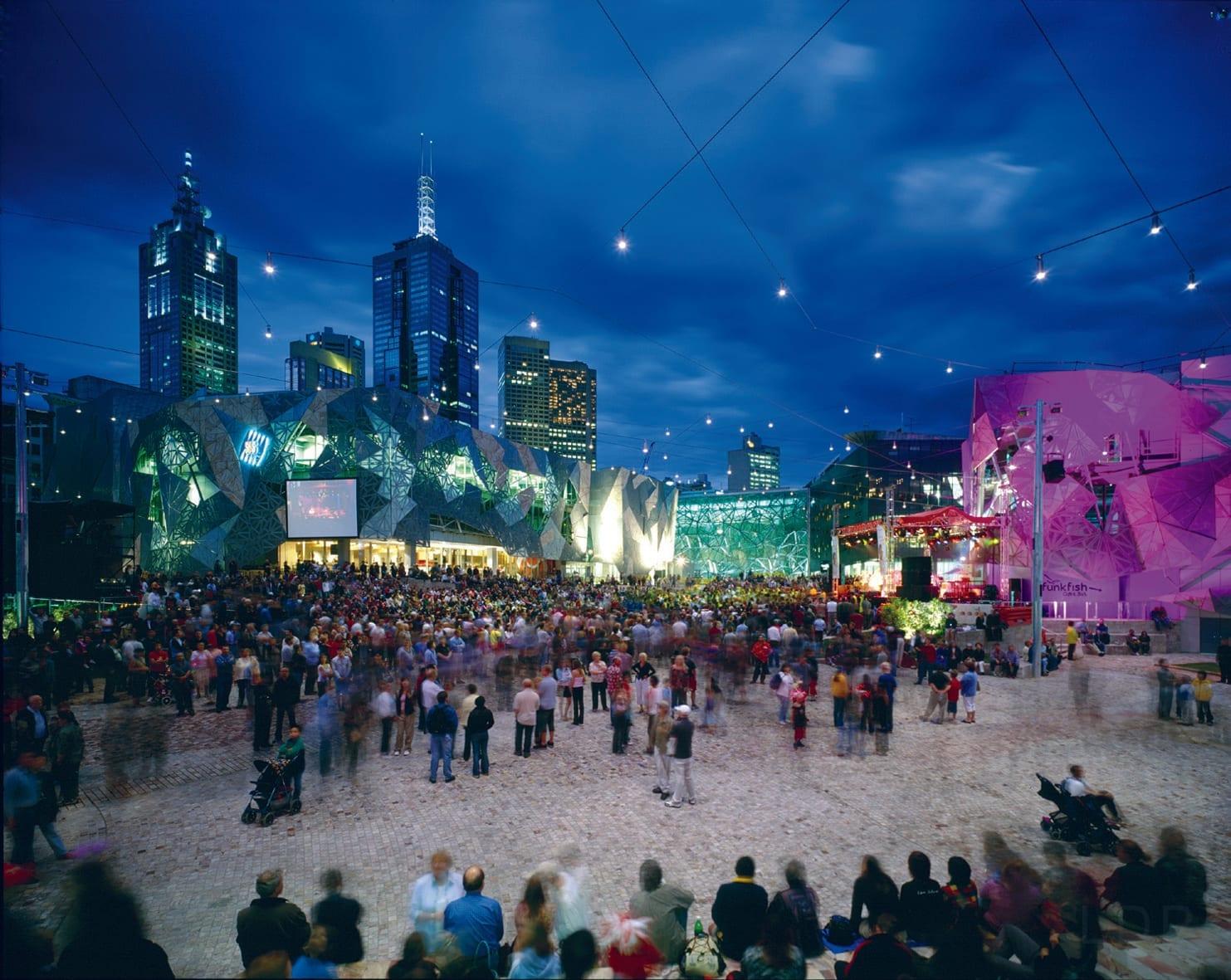
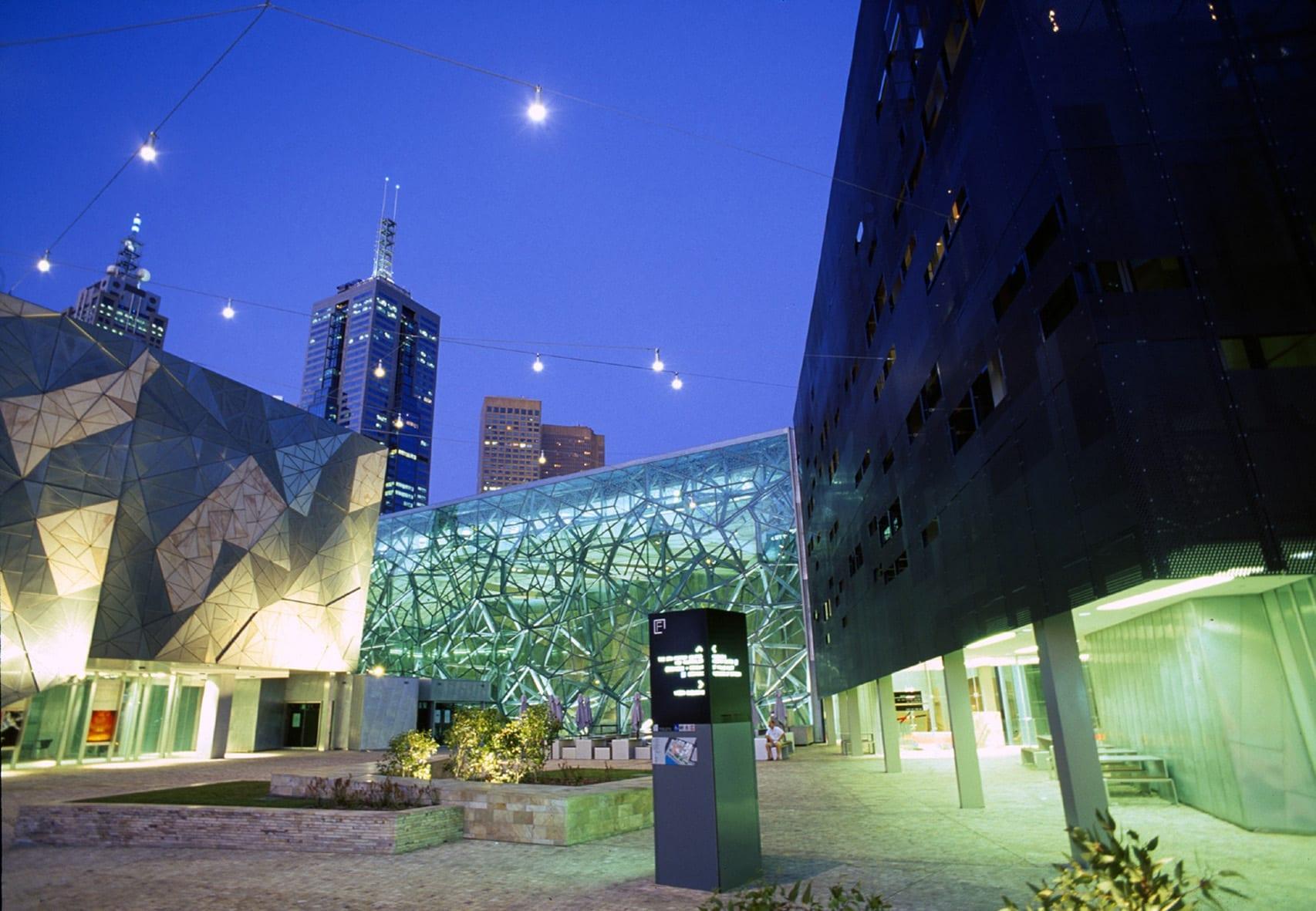
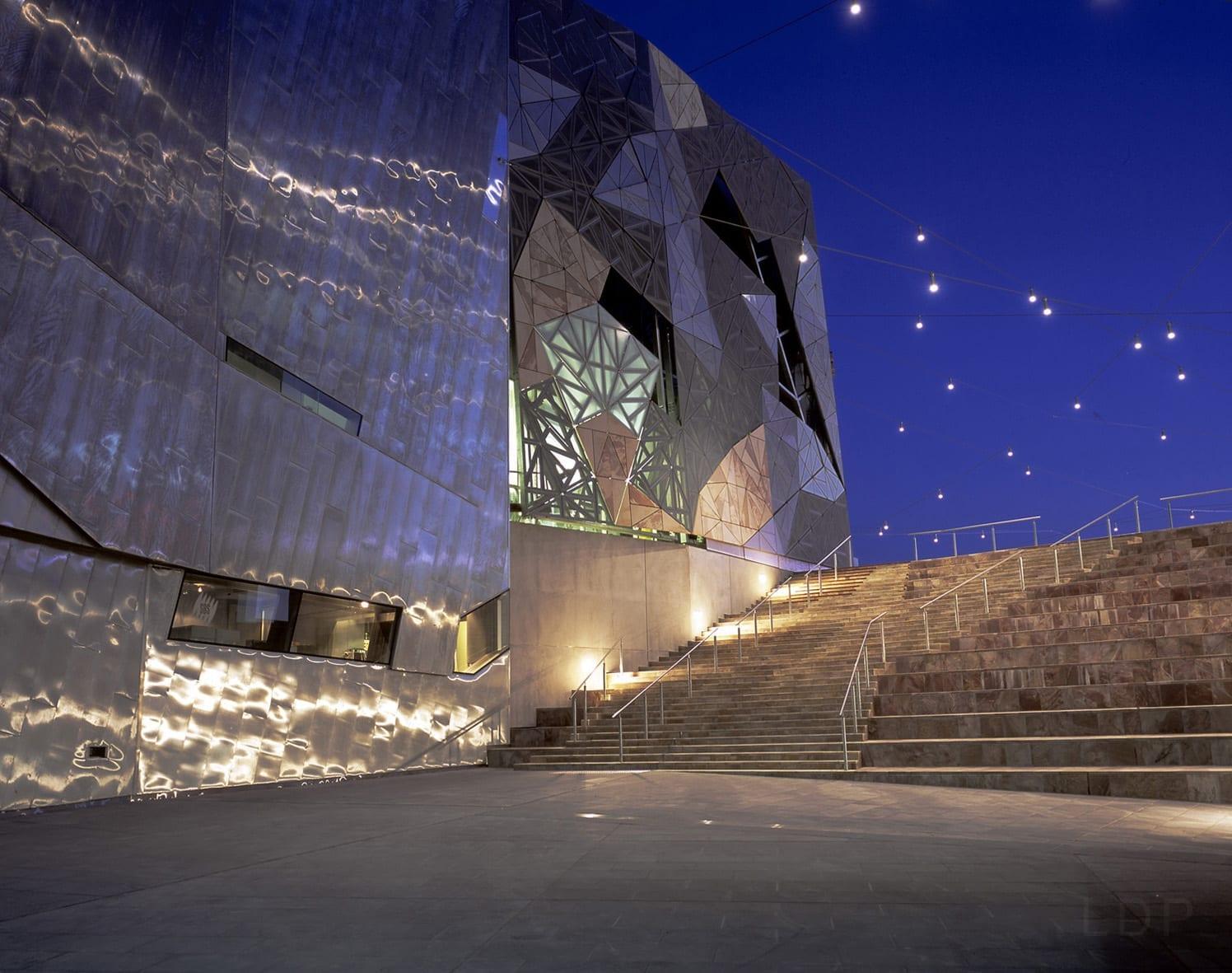
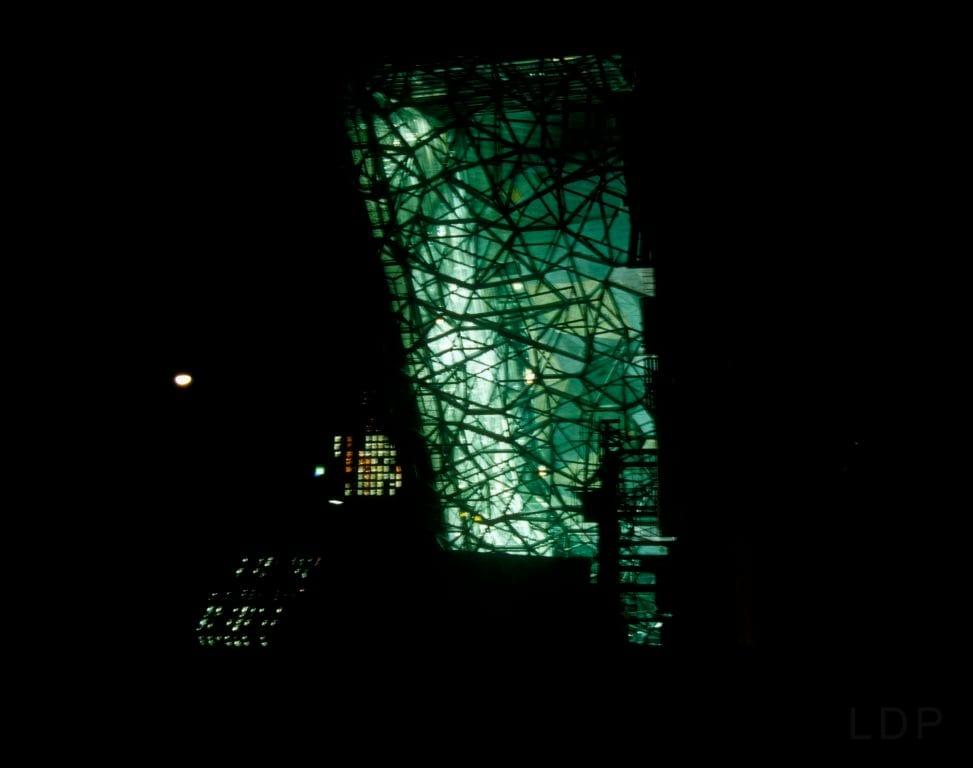
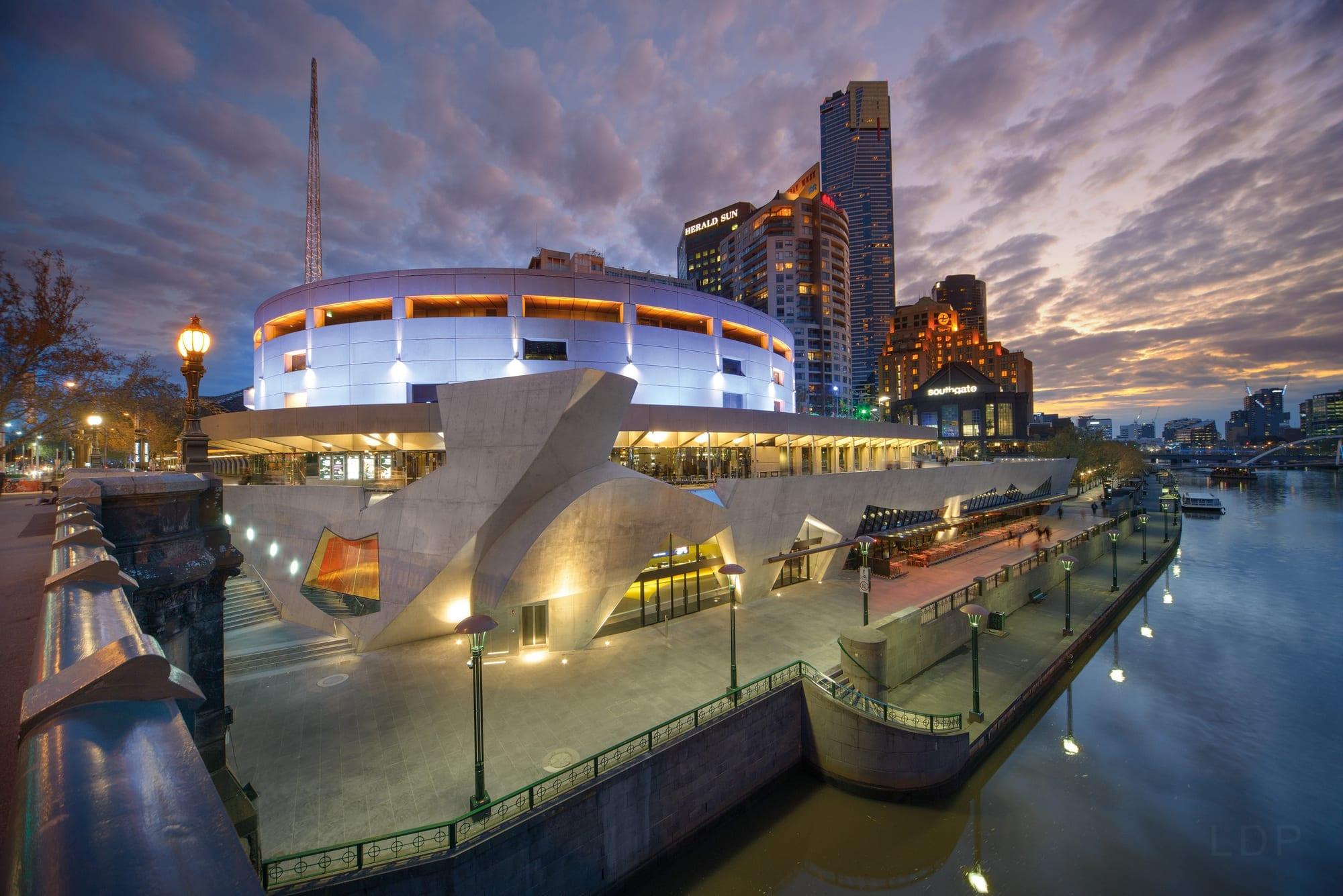
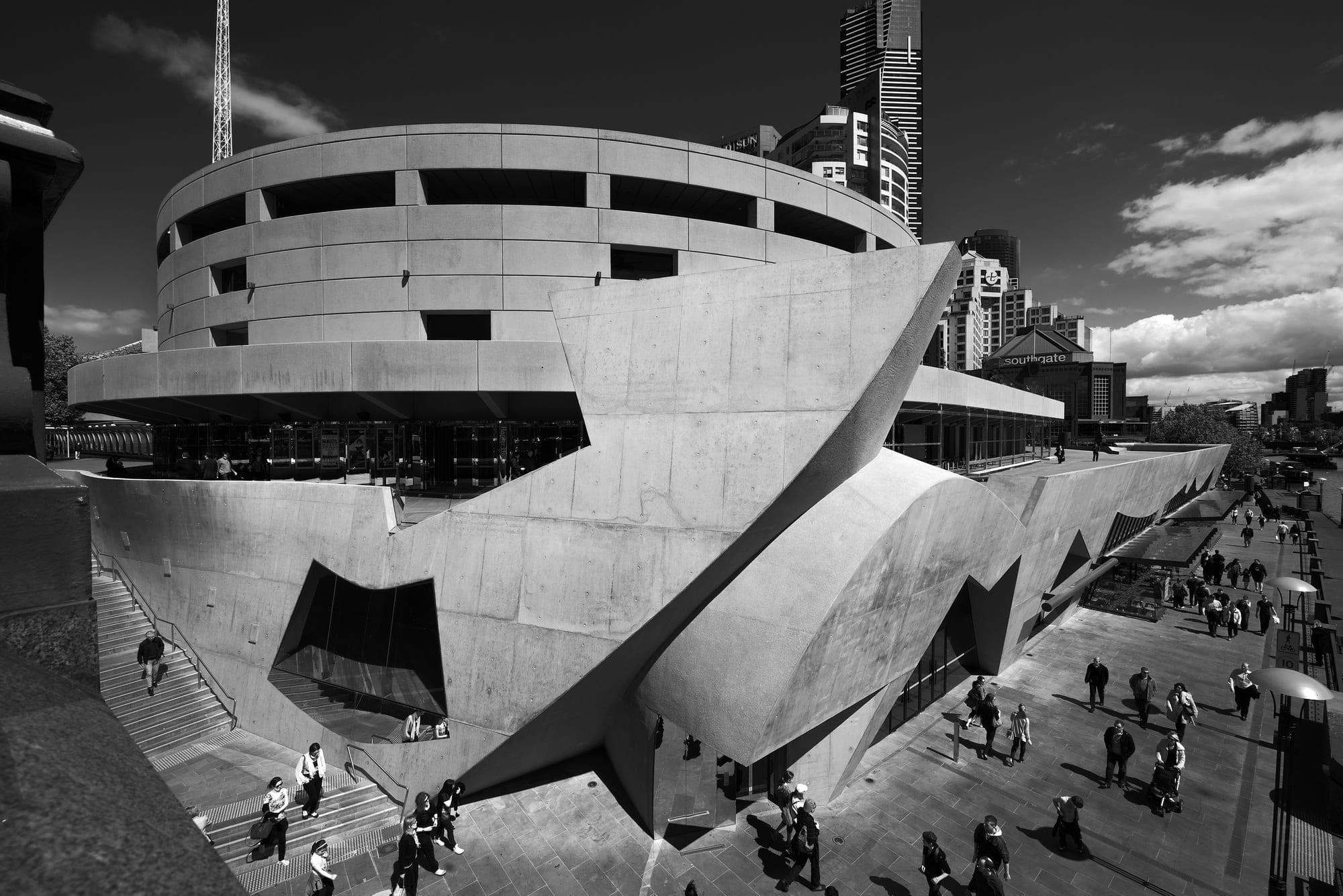
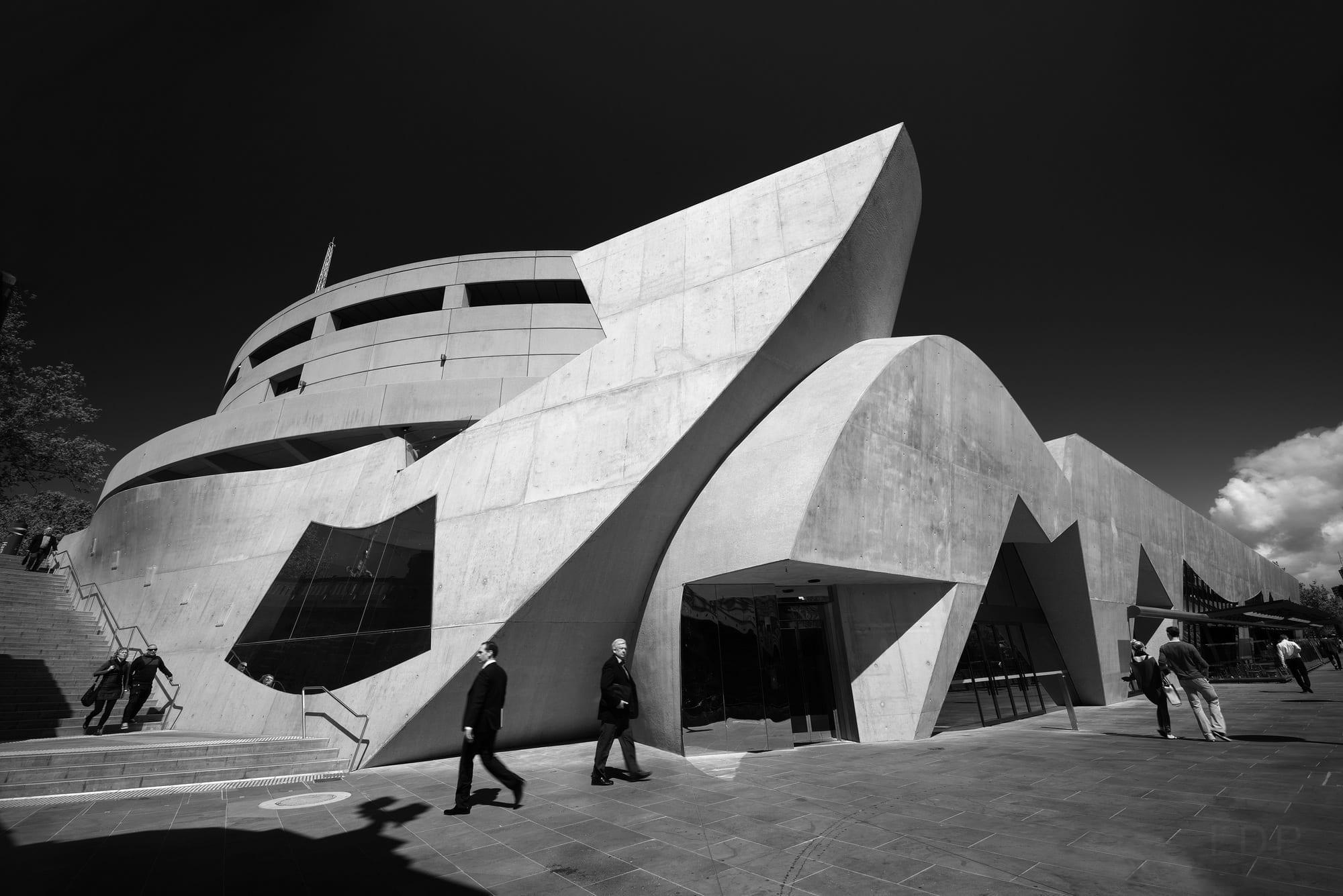
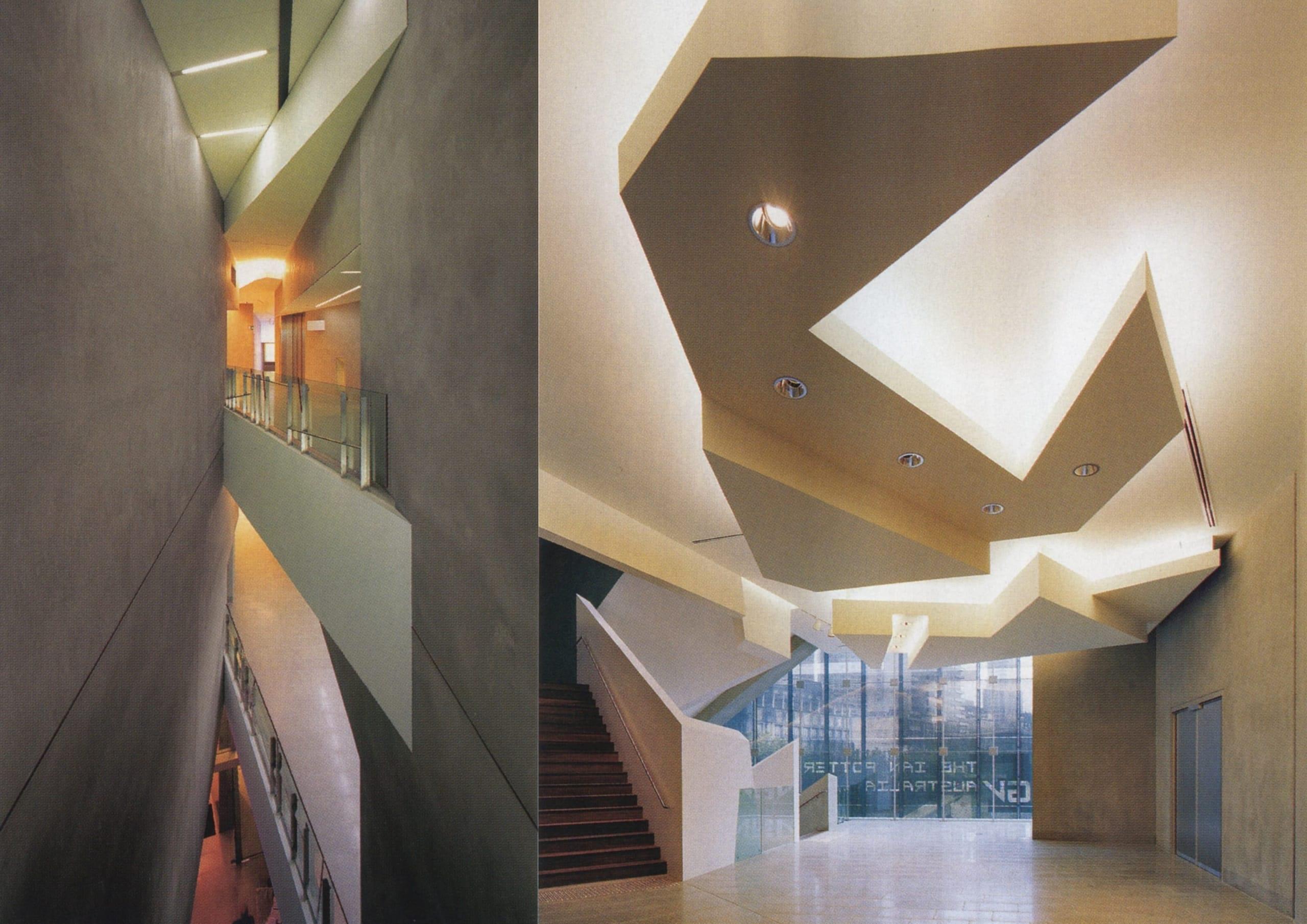
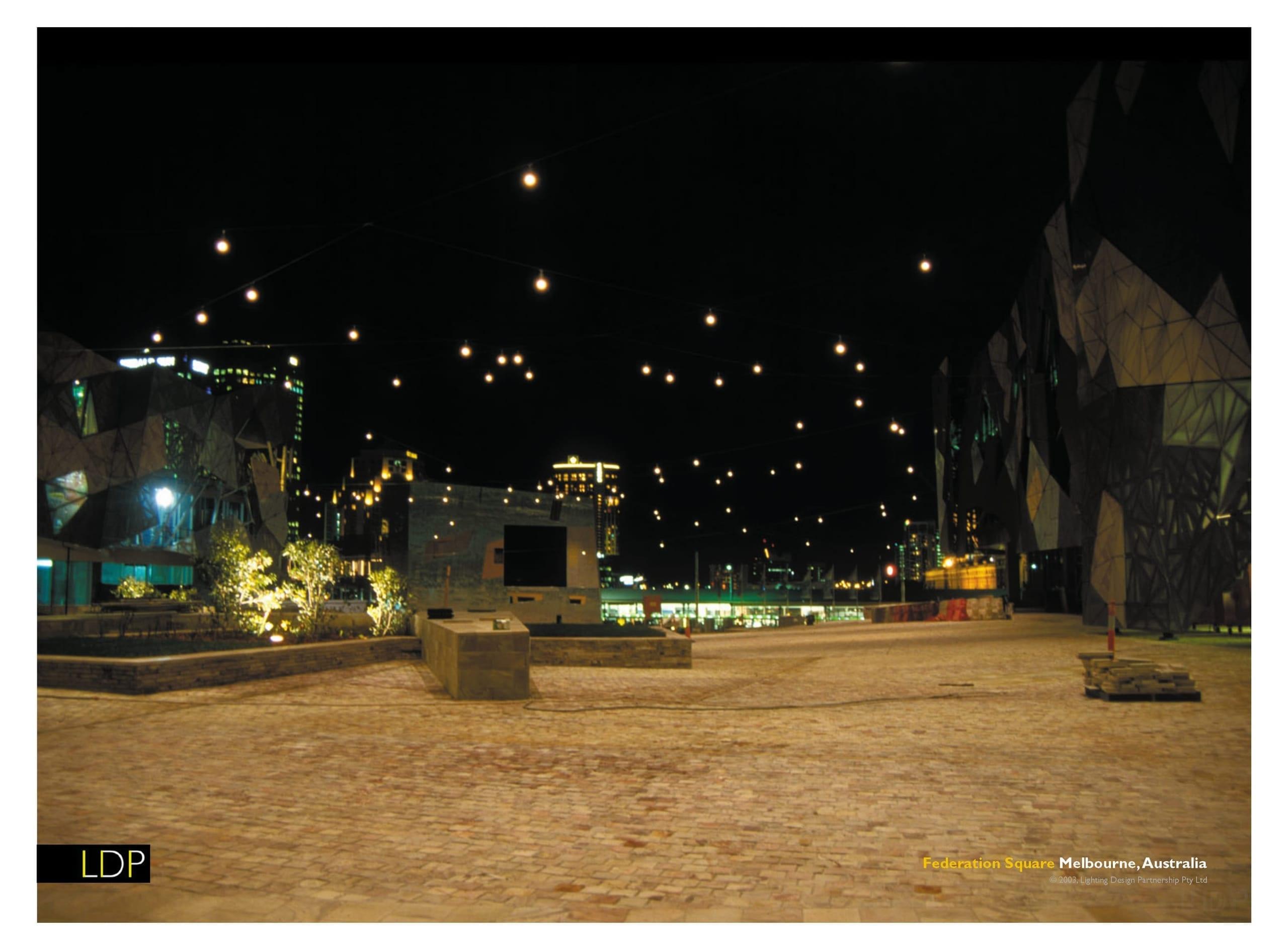
A suspended catenary net carries light across the plaza without a single pole, focusing the glow onto the square's complex levels and the faceted facades that frame it.
Federation Square

Melbourne, Australia
1996–2002

A suspended catenary net carries light across the plaza without a single pole, focusing the glow onto the square's complex levels and the faceted facades that frame it.
WithLAB Architecture Studio · ArchitectBates Smart · ArchitectMultiplex · Contractor
Federation Square, image 1
© LDP 2026
Connect

Hamer Hall

ARM · Architects
Melbourne, Australia · 2018
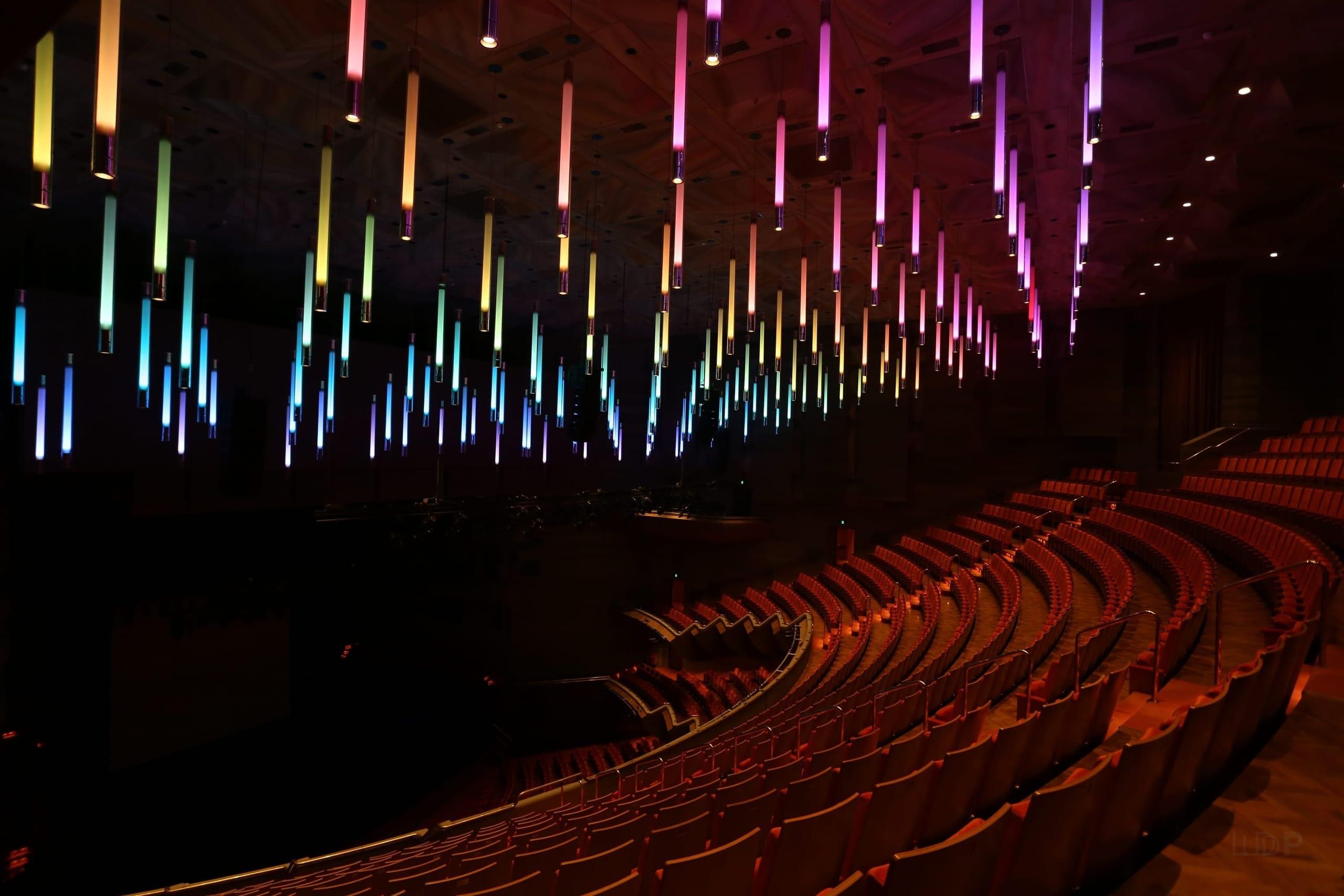
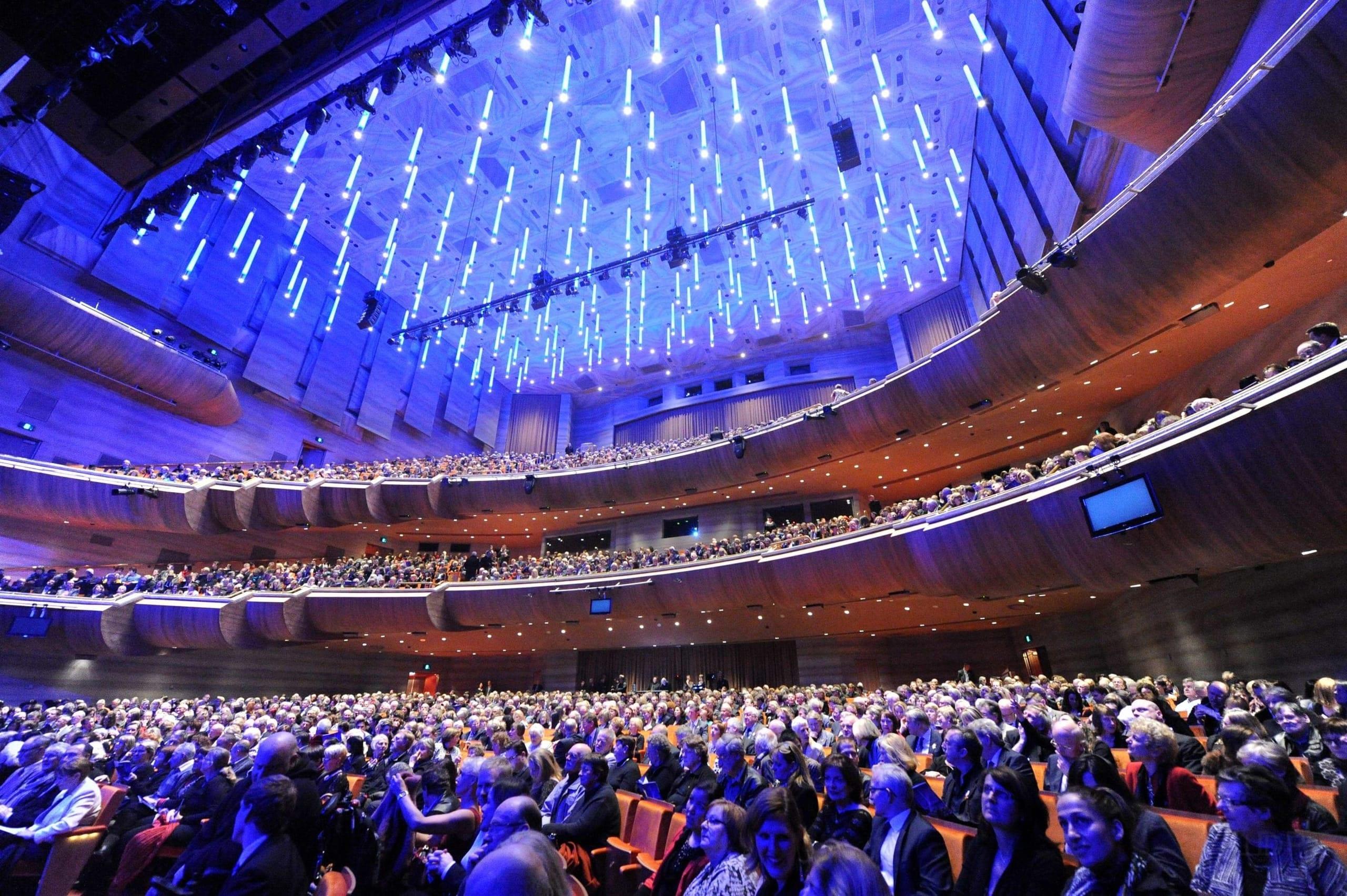
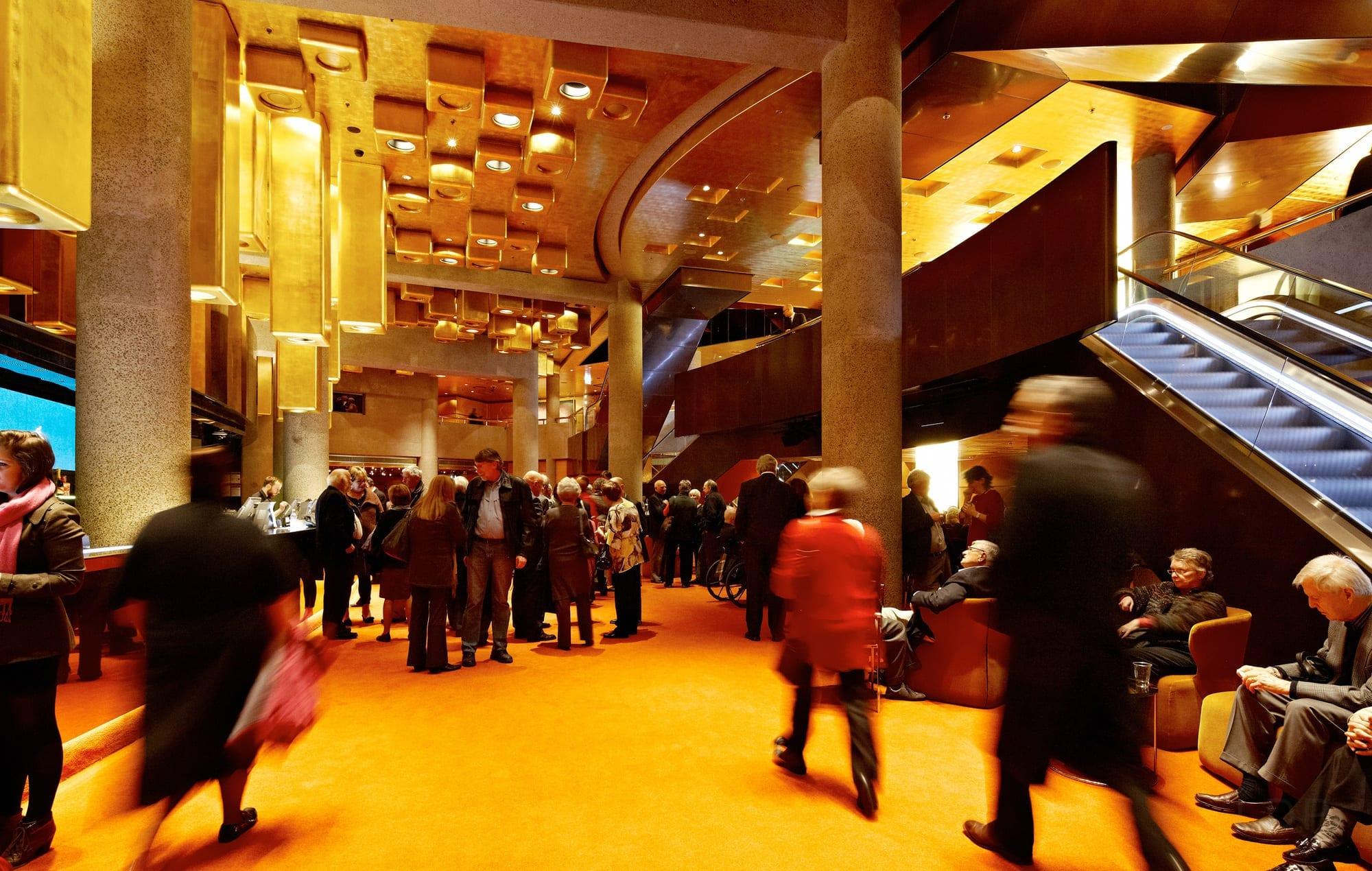
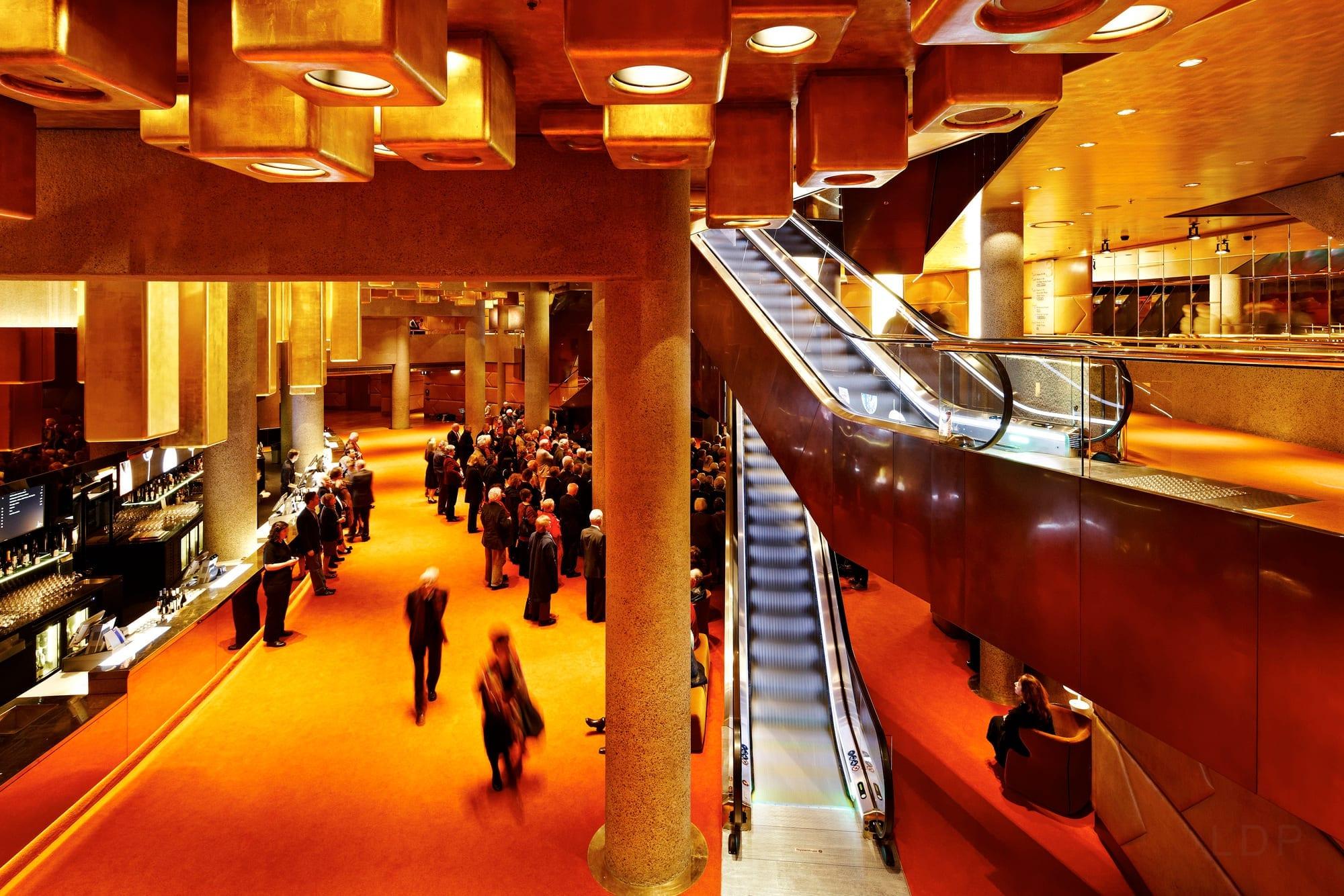
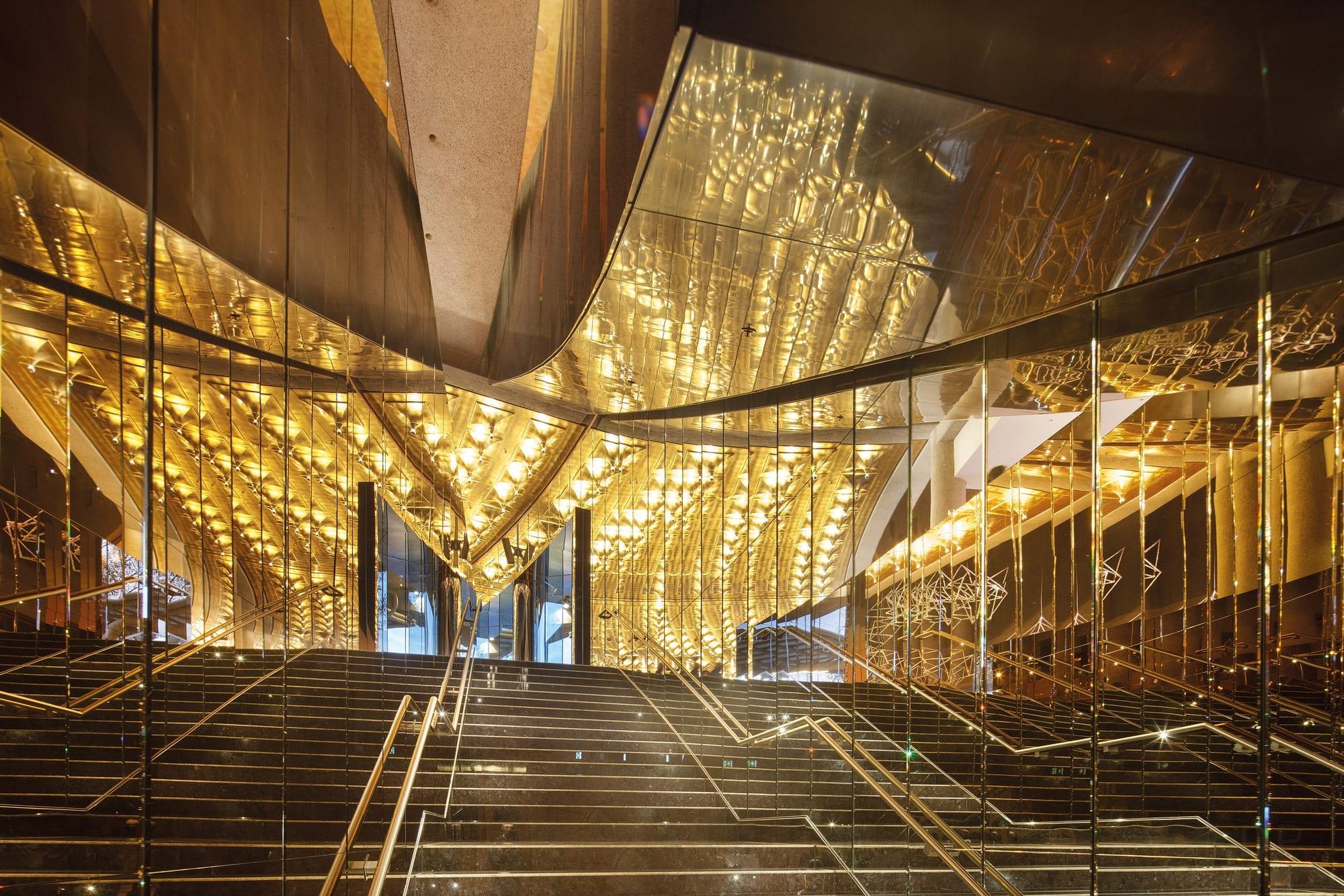
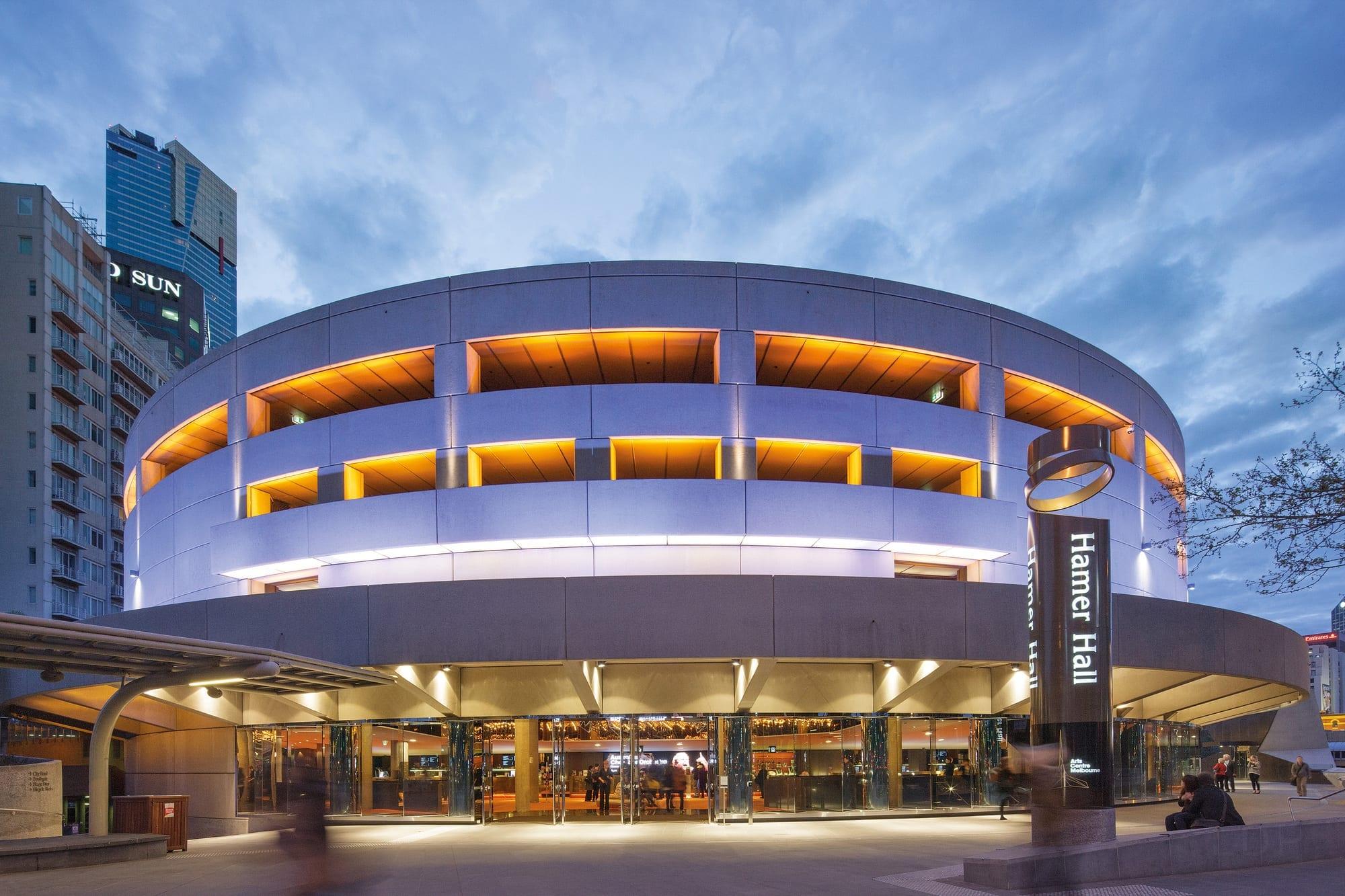
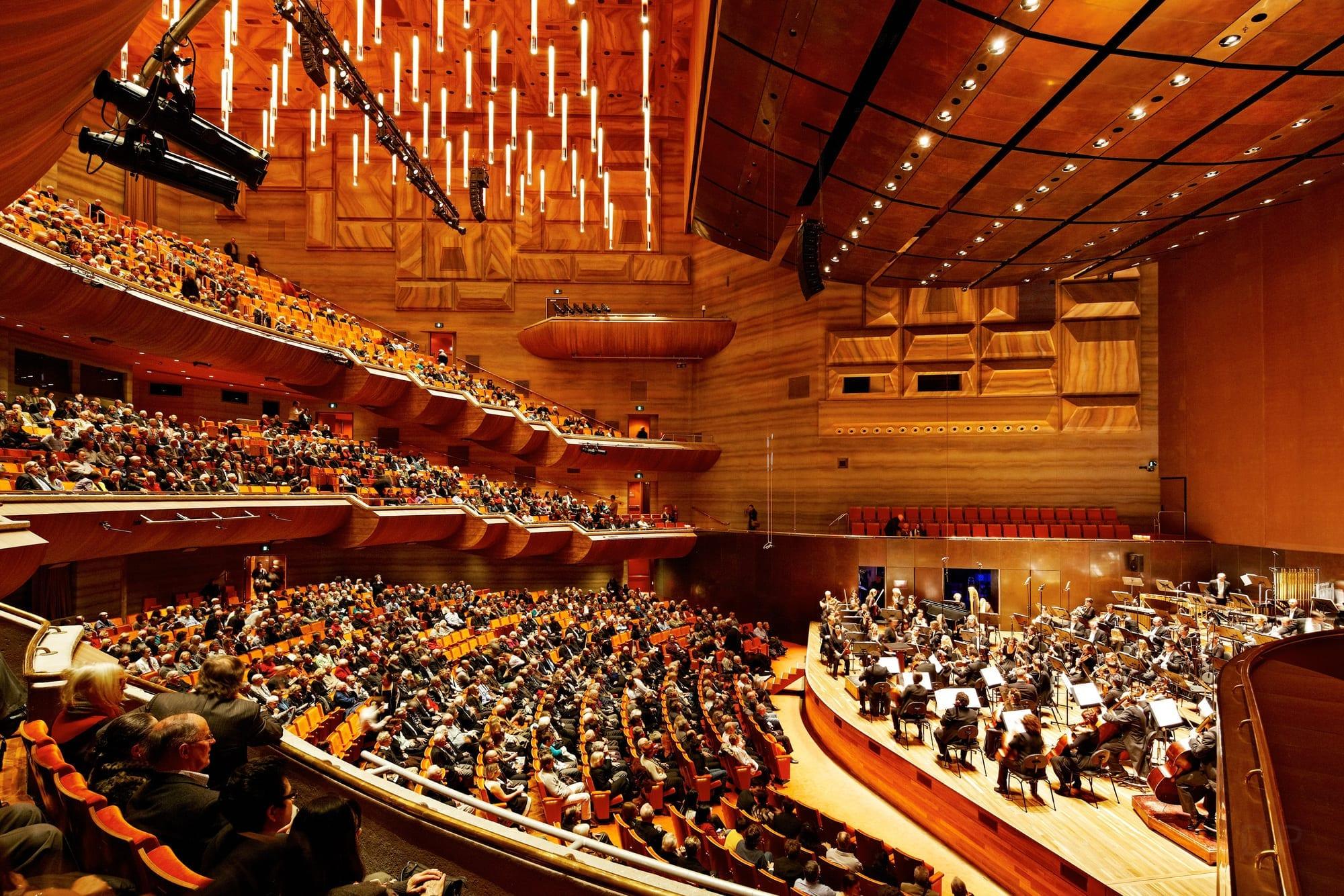
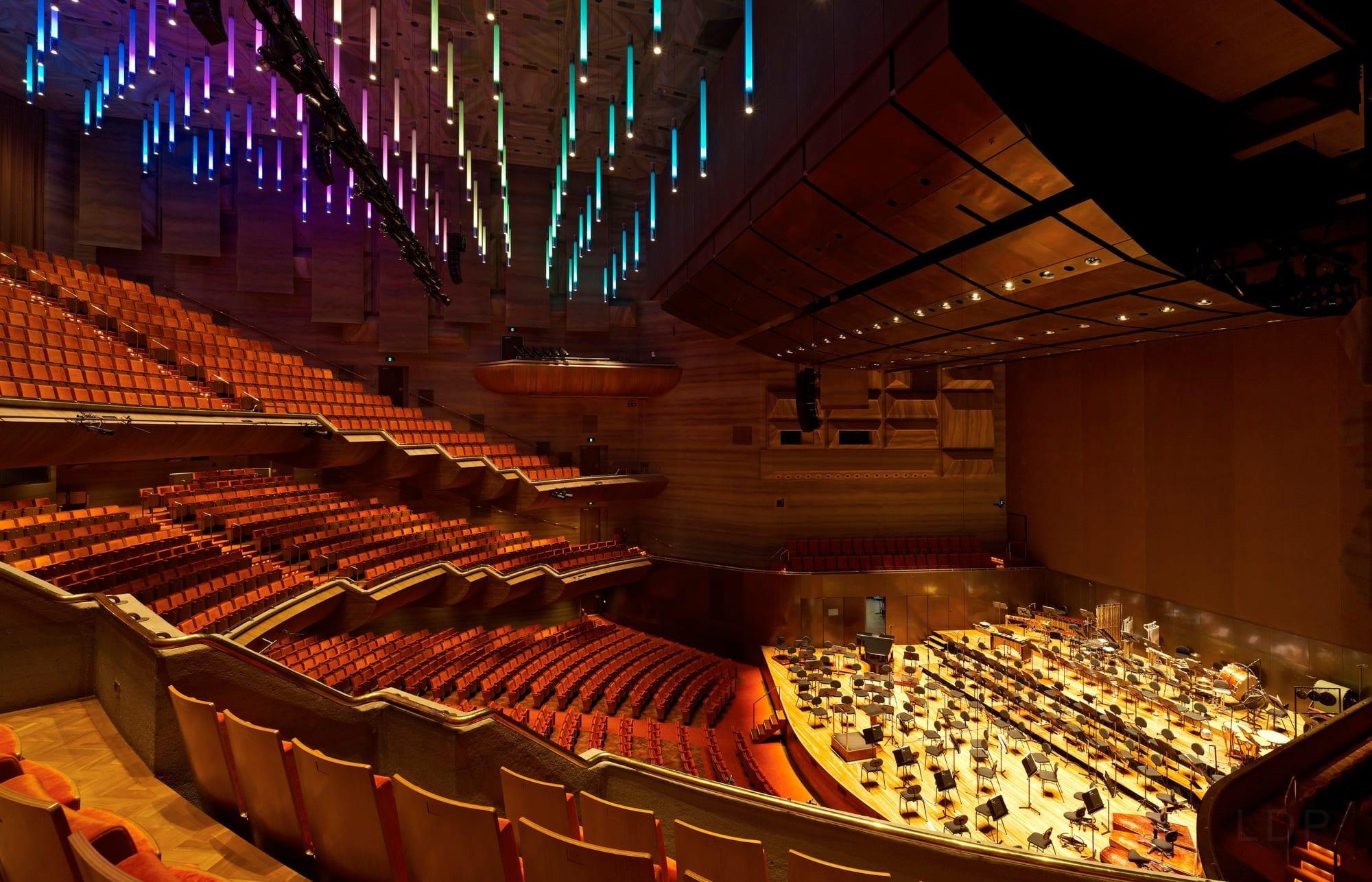
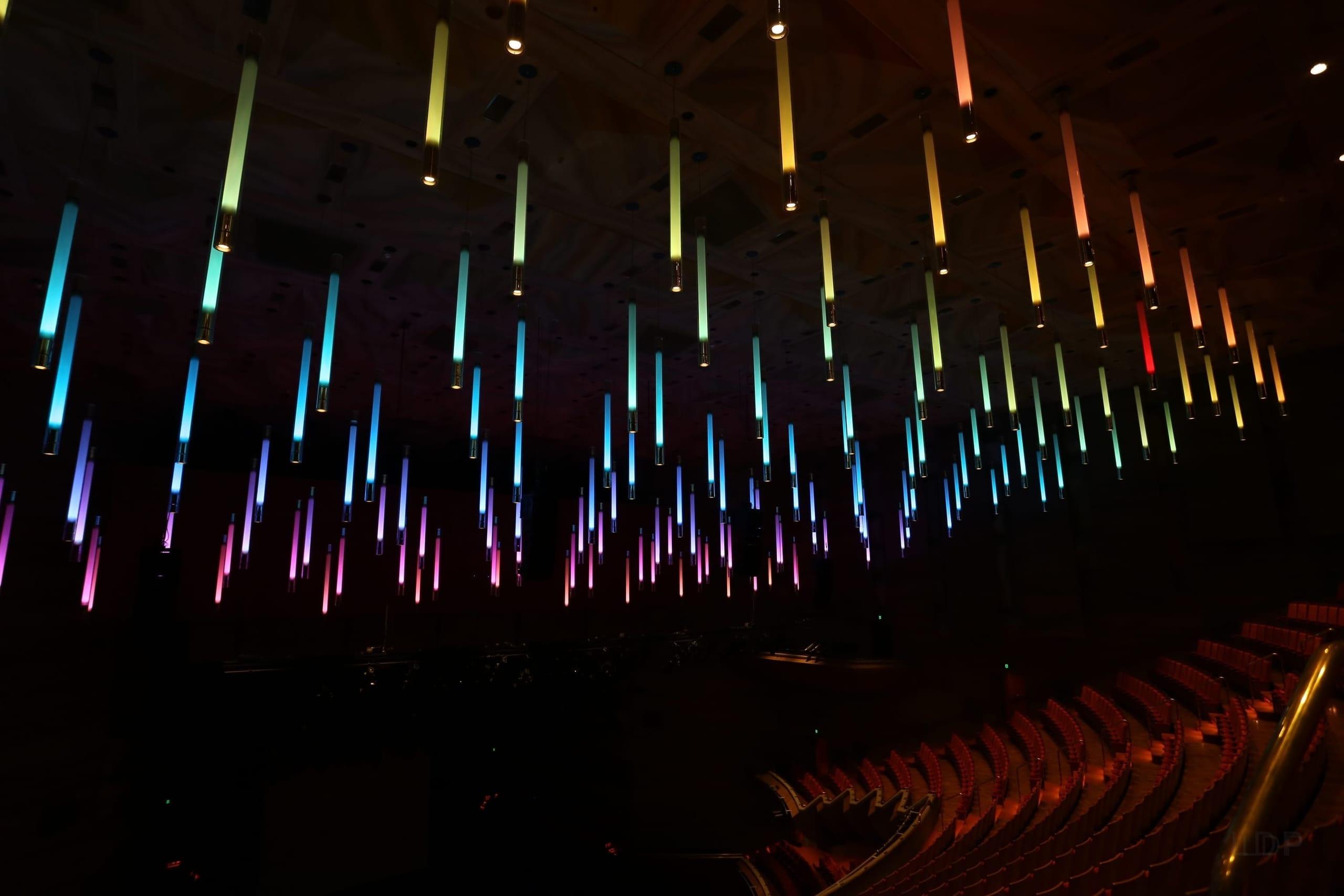
Hamer Hall's renovation set a hard constraint before any light was drawn: a heritage-listed building with a concrete shell that could not be altered to suit the luminaire. The answer was a bespoke solution designed to be as reversible as it was present — slender light tubes lowered through cutouts in the ceiling, fully retractable, leaving the fabric of the hall untouched and able to be returned to as it was. Each luminaire carries two lives. In one, it does the plain, essential work of house lighting for the auditorium. In the other, it becomes part of a thematic coloured display — the cascade of tubes reading as a suspended, shifting sky above the seats. The discipline here was not restraint for its own sake but respect: a heritage room asks you to add without imposing, to give it a new capability while promising you could always take it away. The light does exactly that.
Hamer Hall

Melbourne, Australia
2018

Hamer Hall's renovation set a hard constraint before any light was drawn: a heritage-listed building with a concrete shell that could not be altered to suit the luminaire. The answer was a bespoke solution designed to be as reversible as it was present — slender light tubes lowered through cutouts in the ceiling, fully retractable, leaving the fabric of the hall untouched and able to be returned to as it was. Each luminaire carries two lives. In one, it does the plain, essential work of house lighting for the auditorium. In the other, it becomes part of a thematic coloured display — the cascade of tubes reading as a suspended, shifting sky above the seats. The discipline here was not restraint for its own sake but respect: a heritage room asks you to add without imposing, to give it a new capability while promising you could always take it away. The light does exactly that.
WithARM · Architects
Hamer Hall, image 1
© Peter Bennets 2026
Connect

Sydney Opera House

Bennelong Point, Australia · 2006
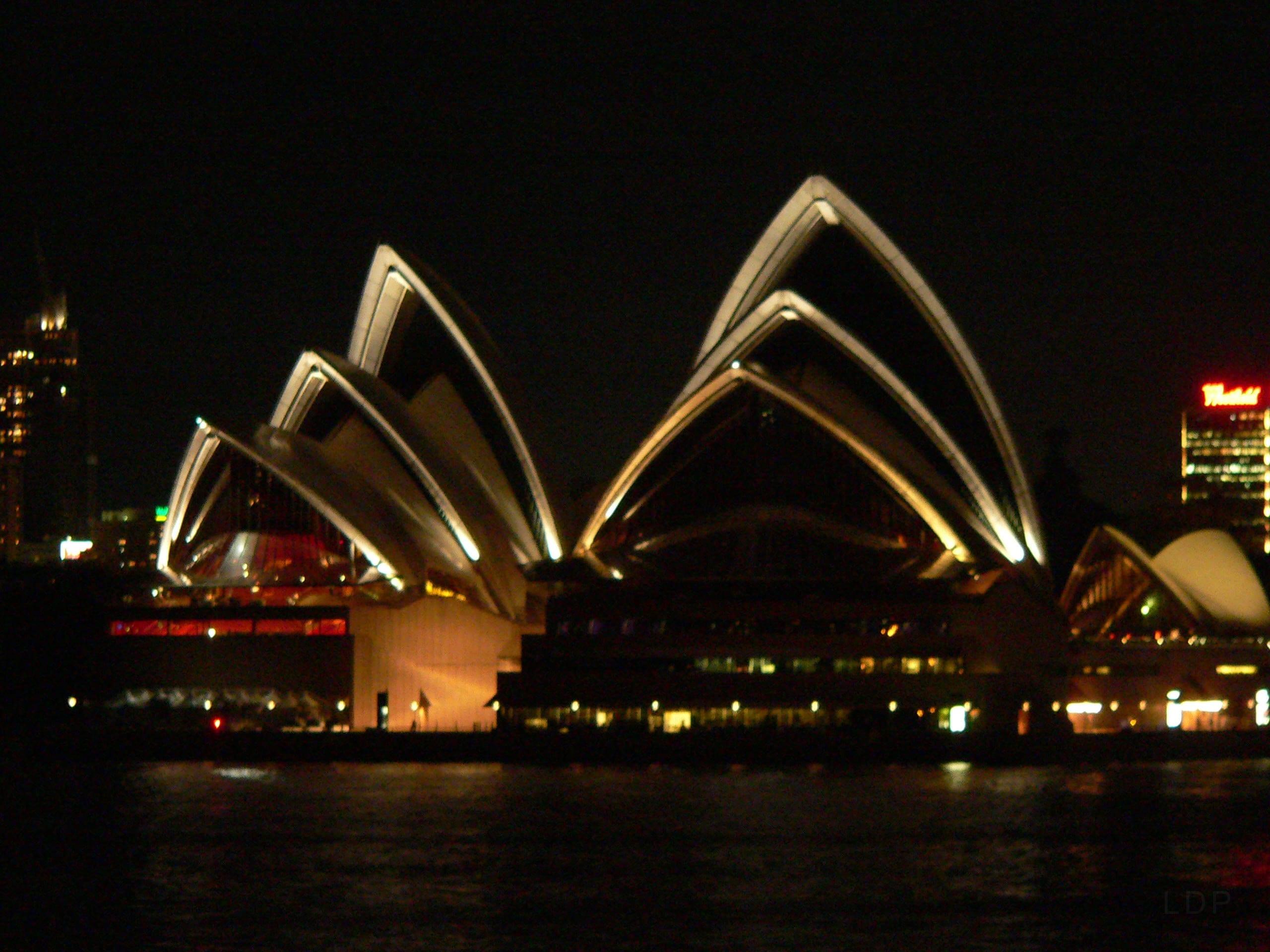
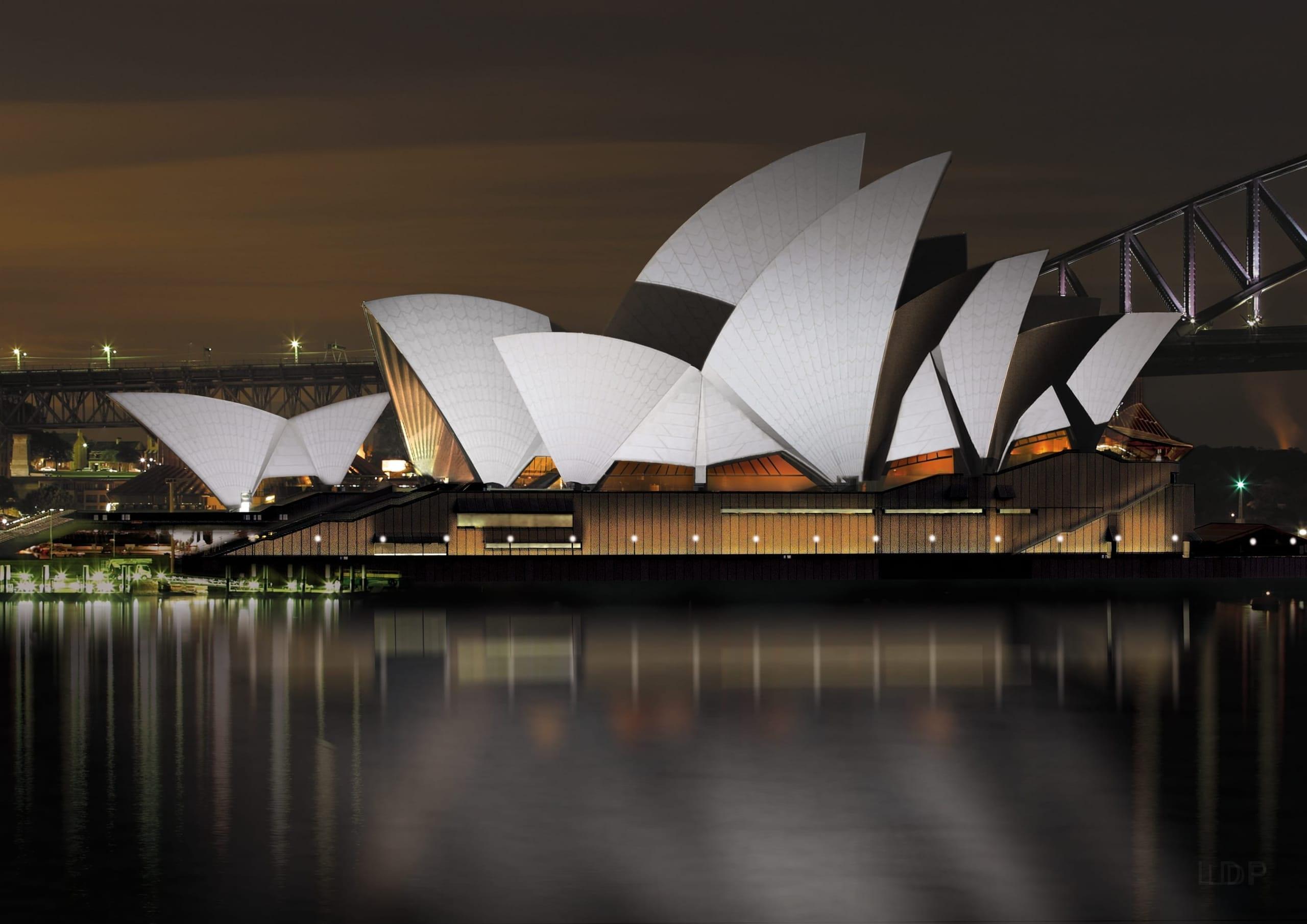
To light a UNESCO World Heritage site is to resist an impulse — the pull to do more, to celebrate an icon by covering it in light. The lighting of the northern shells at the Sydney Opera House was won the other way, by gradual elimination: taking away until only the essential remained. What was left is the barest of means — a limited number of luminaires, carefully shielded and precisely aimed — doing one thing completely. The shells are defined and overlapped, their geometry read clearly against the night, with no light spilled into the sky above them. The restraint is the design. Nothing competes with the form, nothing announces the apparatus, and the building is allowed to be exactly what it already is. The best lighting design is invisible, only experienced — and there are few places where that conviction is easier to see, or harder to have earned.
Sydney Opera House

Bennelong Point, Australia
2006

To light a UNESCO World Heritage site is to resist an impulse — the pull to do more, to celebrate an icon by covering it in light. The lighting of the northern shells at the Sydney Opera House was won the other way, by gradual elimination: taking away until only the essential remained. What was left is the barest of means — a limited number of luminaires, carefully shielded and precisely aimed — doing one thing completely. The shells are defined and overlapped, their geometry read clearly against the night, with no light spilled into the sky above them. The restraint is the design. Nothing competes with the form, nothing announces the apparatus, and the building is allowed to be exactly what it already is. The best lighting design is invisible, only experienced — and there are few places where that conviction is easier to see, or harder to have earned.

Sydney Opera House, image 1
© LDP 2026
Connect
LDP | Work